A Guide to Mine Safety Training
Ensure the safety of your miners at work with regular mine safety training.
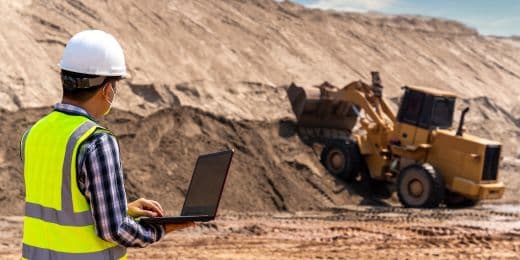
Ensure the safety of your miners at work with regular mine safety training.
Published 28 Apr 2026
Article by
3 min read
Mine safety training refers to the structured program or process designed to properly equip mining employees with the right practices and safety procedures for their work. It consists of practical training, theoretical lessons, and discussions, covering topics tailored to various types of mining (e.g., underground, coal, surface, metal/non-metal).
The mining sector involves working in challenging environments deep beneath the Earth’s surface, where risks are inherent, and safety is paramount. Daily, miners descend into the earth to extract valuable resources like coal, minerals, and precious metals. The harsh conditions, heavy machinery, and unpredictable nature of the underground world necessitate a rigorous focus on safety, thus the need for training.
According to the International Labor Organization (ILO), employers in the mining industry should provide more training for risk assessment, management, and mitigation, along with safety procedures. In particular, for the United States, a federal law from the US Department of Labor’s Mine Safety and Health Administration (MSHA) requires all miners and others working in mining sites to receive regular training and annual refreshers to maintain mining safety.
Training is essential to keep miners safe and healthy at all times by providing the right safety procedures to follow for different situations, as well as the best ways to work efficiently and effectively to prevent injuries, illnesses, and accidents.
Cultivate a safe working environment and streamline compliance with our EHS solutions.
The US MSHA states that the training for miners depends on the type of mining work to be done. Generally, however, mine safety training programs must include the following:
Miners’ rights
Proper operation of mining equipment
Underground work procedures
Commodity-specific safety and mining procedures
Location-specific safety and operation procedures
Some of the most common ways to conduct mine safety training include the following:
Live demonstrations of safety practices and procedures
Hands-on training sessions for proper handling of equipment
Reading material for mine safety training tasks
Exams after training sessions
For all these, you can use a digital training platform like SafetyCulture Training to help you ensure a more seamless and engaging training experience. With the help of technological training resources, you can promote a more flexible learning environment for your employees, allowing them to work and learn at their own pace in ways that benefit and prepare them for their jobs.
Having an online training platform also helps team leaders and managers better understand and monitor their employees’ progress from anywhere with the help of analytics and progress charts. In particular, having it on mobile devices can provide more options for learning and training for both employees and employers.
SafetyCulture is a mobile-first operations platform adopted across industries such as manufacturing, mining, construction, retail, and hospitality. It’s designed to equip leaders and working teams with the knowledge and tools to do their best work—to the safest and highest standard. Efficiently manage and streamline health and safety processes across the organization, including incident management, safety audits and inspections, risk assessment, waste management, and more, using a comprehensive EHS software solution.
✓ Save time and reduce costs ✓ Stay on top of risks and incidents ✓ Boost productivity and efficiency ✓ Enhance communication and collaboration ✓ Discover improvement opportunities ✓ Make data-driven business decisions