Conducting a Housekeeping Toolbox Talk
Learn what a housekeeping toolbox talk is, its importance, and some key tips for conducting comprehensive talks with your team.
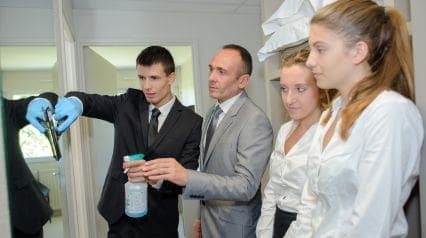
Learn what a housekeeping toolbox talk is, its importance, and some key tips for conducting comprehensive talks with your team.
Published 28 Apr 2026
Article by
4 min read
As the name suggests, a housekeeping toolbox talk is a typical toolbox talk that’s tailored to the housekeeping profession. Thesequick meetings allow housekeeping managers and teams to go over the basic risks and safety hazards that workers face in their day-to-day activities. From there, they can discuss how to avoid these hazards and the different controls in place designed to keep workers as protected as possible.
In particular, housekeeping toolbox talks are tailored for housekeeping tasks in healthcare, hospitality, and other settings. So, the hazards that managers cover are those that are unique to housekeepers, including slips, falling objects, exposure to chemicals, inadequate lighting, and more.
Housekeeping teams face many risks on a daily basis. Just like any other industry, it’s important to find ways to mitigate the risks and keep workers safe when on the job. To do this, you need to constantly remind workers about the hazards they face and the different policies or controls you have in place to protect them. That way, they understand the best way to approach their job to avoid accidents and incidents.
Toolbox talk topics are your opportunity to instill a culture of safety in your team. Regular meetings like this allow you to cover basic hazards, remind workers of your best practices, and maintain a high safety standard.
There are many hazards that workers face in the housekeeping industry. In fact, the risks your workers may face can vary depending on the type of clientele you have, the service you offer, and more. This is why housekeeping toolbox talks are highly customized to fit the needs of your team.
That said, there are still some constant hazards in this industry that you must consider. These hazards include:
Falling objects
Exposure to chemicals and biohazards
Fire hazards
Cuts and lacerations
Inadequate lighting
Pest infestations
Exit and emergency plans
Unergonomic spaces
Cultivate a safe working environment and streamline compliance with our EHS solutions.
Toolbox talks look different for every team and organization. To keep you on the right track, here are some of the key steps to follow when performing a housekeeping toolbox talk:
Before anything else, you need to know the risks and hazards your workers face. To do this, it’s important to conduct a risk and hazard audit and then an assessment. That way, you get to identify all the risks your workers face and rank them based on severity.
When you understand the risks, you can start the meeting. When starting the meeting, make sure you open the agenda and explain all the things you want to tackle with the team. That way, they know what to expect.
To start, go over all the basics. This means your emergency plans, evacuation strategies, and the everyday risks your workers face. This includes the slips, falling objects, and fire hazards that are constant in the housekeeping industry.
It’s easy to take safety policies for granted. This is why toolbox talks offer a unique opportunity for managers to remind workers of their safety policies and controls in place to protect them from common hazards.
Once you go over the agenda, make sure that you give your team the chance to speak. At the end of the meeting, it’s best to open the floor for any questions or suggestions your team has. That way, you remain transparent, and everyone gets to speak out during the meeting.
Toolbox talks are typically weekly or monthly events. It’s important to conduct these regularly to give everyone a refresher on safety policies and controls. So, after your toolbox talk, make sure to remind workers that you’ll have another one based on your team’s schedule.
SafetyCulture (formerly iAuditor) is a platform that allows you to digitize a lot of your processes. This can streamline operations and boost efficiency in your team. On top of that, there are many ways to use SafetyCulture to improve your housekeeping toolbox talks. If you want to improve your toolbox talks, SafetyCulture can help you by:
Announcing toolbox talks and safety updates across the organization via Heads Up
Scheduling toolbox talks with automated reminders so that no one forgets
Using customized templates for conducting toolbox talks and risk assessments to ensure that you cover all main concerns
Generating reports with safety data and analytics that you can use as a reference during meetings
Empowering lone housekeepers to practice field safety through SHEQSY by SafetyCulture
Documenting the toolbox talks with annotated photos and videos
Training employees on the importance of toolbox talks and how to conduct them