What is the Difference Between Residential and Commercial Construction?
So what's the difference between residential and commercial construction? In a nutshell, commercial construction is all about making structures that are going to be used by business enterprises, think office buildings, malls, retail establishments, and factories.
Residential construction, on the other hand, is all about creating homes or spaces intended for people to live in. This can be anything from rental spaces, condominiums, multi-million dollar mansions, to single-family housing projects—and are not more than four floors in height.
Commercial projects can also have more specialized tradespeople working on them, like electricians for complex energy needs, dedicated specialists for elevator installment and maintenance, and HVAC technicians for centralized cooling and heating.
What is Considered Residential Construction? | What is Considered Commercial Construction? |
- Buildings such as apartments, townhouse, or condominiums used for housing families or individuals. - Building materials can be a bit cheaper such as wood and timber. - Can have a shorter completion time depending on the size. | - Buildings intended for business use such as offices, malls, etc. - Requires relatively stronger materials such as steel frames and concrete. - Completion time can be longer considering the size of the commercial construction. |
What are Examples of Residential Construction?
There are various types of Residential constructions. These includes:
1. Single Family Homes
Residences that are not attached to any other residences and have their own private land are known as single-family homes. Usually, single-family homes have more privacy and space than other types of residences, as well as their own front and back yards.
With this style of home, you are able to express yourself with any type of home design since you do not have to share the land with anyone else. Although, this style of home requires more maintenance and the homeowner is responsible for all the costs.
2. Condominiums
Condominiums are separate units that are part of a larger complex or community. Condos typically have a wall or two in common with other apartments and are subject to homeowners’ associations, which charge monthly or yearly dues. They are popular in high-density metropolitan areas with many restaurants and businesses.
3. Townhouse
A townhouse is a type of housing that is a combination between a condominium and a single-family residence. As townhomes are typically multi-story buildings, they often come with one or two common walls and a small yard or roof deck. In comparison to a condo, a townhouse provides greater privacy; however, they are usually less expensive than a single-family home. Townhomes don't normally come with common amenities like a gym or a pool, but they also aren't as private as a single-family house.
4. Hotels
The hotel is privately managed by different trusts through a single residential construction project management. The hotel acts as a lodging house, providing temporary accommodation. This type of residential home includes inns and hotels.
The Different Types of Building Materials Used in Residential Construction
When it comes to residential construction, there are three main types: wood-frame, masonry, and steel. Each has its own benefits and drawbacks.
Wood-frame construction is the most common type. It's lightweight, so it's easy and cheap to transport, and it's relatively easy to assemble. The downside is that it's not very durable in earthquakes or high winds.
Masonry construction is a bit more expensive, but it's very durable and can withstand just about anything. The downside is that it's heavy and can be difficult to transport.
Steel construction is the most expensive option, but it's also the most durable. It's not as susceptible to earthquakes or high winds as wood-frame construction, and it's fireproof and waterproof. The downside is that it's very heavy and not as easy to transport as wood-frame construction.
What are the Factors to Consider for Residential Construction
When you're thinking about residential construction, there are a few factors you need to take into account.
1. Location
Location is one, as you'll want to choose a spot that's accessible and fits with your lifestyle. Also, make sure that the area is safe and flood free.
2. Budget
You'll also need to think about your budget and what you can afford. Remember that quality is better than quantity. Meaning, that not all high priced materials have great quality so make sure to do your research for your money’s worth.
3. Architectural Design and Planning
And then there are the architectural plans to consider. You'll need to find a builder who can bring your vision to life, and who has a good track record of delivering quality homes.
4. Construction Materials
It's also important to consider the materials used in the construction process. Precast concrete is a great option because it's durable, consistent, and fireproof. Plus, it doesn't warp, rot, twist or sag, making it a great choice for buildings, bridges, and other structures that need to stand the test of time.
5. Zoning and Permits
Securing permits is also a must when constructing a house. Before you start any construction, you will need to get the proper permits from your local government.
You also need to make sure that the residential construction you're planning is in compliance with your local zoning regulations.
6. Time frame
It's important to have a realistic timeline for your project so that you can stay on track and avoid any delays. This will save you not only time but also the unwanted cost of labor.
Create Your Own Construction Safety Checklist
How do you Maintain Safety During Residential Construction?
You need to maintain a high level of safety when working on residential construction sites. Here are a few tips to keep in mind:
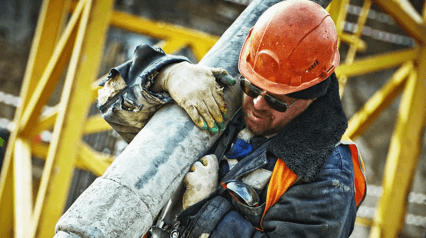
Make sure you always wear the appropriate PPE and safety gears, including hard hats, goggles, and gloves.
Always be aware of your surroundings and what's going on around you.
Conduct necessary construction safety inspections before any activities.
Make sure you know how to use all of the equipment properly.
Follow all of the safety protocols in place on the site and make sure to inspect the place, prepare it, and conduct a risk assessment before hand.