
Hotel Fire Risk Assessment in 5 Steps
Protect guests, staff, and your business while staying fully compliant with hotel fire risk assessment requirements in this guide.
Published 7 Nov 2025
Article by
7 min read
What is a Hotel Fire Risk Assessment?
A hotel fire risk assessment is a structured process designed to identify potential fire hazards and assess their risks within hotels and other sleeping accommodations. This assessment is crucial for ensuring the safety of guests, staff, and the premises themselves.
It examines various aspects of the hotel, including its layout, construction materials, fire detection and alarm systems, evacuation routes, and storage of flammable materials. Regular fire risk assessments are a legal requirement in many jurisdictions and an essential component of a hotel's commitment to safety and ensuring peace of mind for everyone on the premises.
Importance of Fire Risk Assessment for Hotels
Fire safety is of utmost importance for establishments providing accommodations, as it protects the property and the lives of its guests and employees. A fire can quickly spread and cause devastating effects, leading to injury or even death.
Regular fire risk assessments (FRA) offer numerous benefits for hotel establishments, allowing businesses to:
Ensure Legal Compliance and Duty of Care: Fire risk assessments ensure hotels meet fire safety laws, like the UK's Regulatory Reform (Fire Safety) Order 2005 . This law requires proper and thorough assessments for all buildings, including hotels.
Protect Guests and Staff: Hotels often host guests unfamiliar with the layout and may be asleep during a fire, making them more vulnerable. An FRA helps identify issues that could prevent safe evacuation, such as dimly lit corridors, blocked exits, or faulty fire alarms.
Identify and Manage Specific Fire Hazards : Hotels face fire risks from commercial kitchens, electrical appliances, flammable storage, and smoking zones. Fire risk assessments identify these hotel hazards and recommend safety measures like installing fire extinguishers, smoke or heat alarms, fire doors, and enforcing no-smoking policies to improve safety.
Tailor Fire Safety Measures to Hotel Needs: Hotels are busy spaces with many facilities like kitchens, event rooms, parking, and storage areas, as well as high foot traffic. Hotel managers use FRAs to create fire safety plans that match the building's layout and usage.
Enhance Guest Confidence and Business Reputation: Visible, licensed fire safety measures and a clear commitment to fire risk management make a hotel more attractive to guests who value their safety. It can lead to increased bookings and customer loyalty.
Address Accessibility and Special Needs: FRAs consider the needs of all occupants, including those with mobility issues, ensuring evacuation procedures and facilities accommodate everyone safely.
Make Every Stay a Five-Star Experience
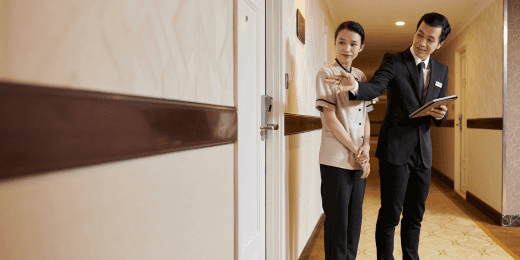
From front desk to housekeeping, get complete business visibility, guarantee guest safety, and help your teams deliver their best work.
What to Include in a Hotel Fire Risk Assessment
A fire risk assessment is a great way to identify potential hazards and keep your guests, staff, and property safe. If you already have a dedicated fire risk assessment checklist or you're thinking of creating one for your hotel, be sure to include these key elements:
Kitchen and Bar Areas: To manage fire risks , check the type and number of appliances, power sources, and gas controls. Ensure all electrical installations and equipment brought into these spaces meet safety standards.
Leisure Facilities and Amenities: Assess fire risks in pools, gyms, spas, and similar areas where evacuation can be challenging. Review emergency procedures specific to these facilities.
Shared Spaces and High-Traffic Areas: Include hallways, lobbies, lounges, and other communal spaces in your assessment. Focus on keeping these areas clear and safe for quick evacuation.
Guest Rooms and In-Room Appliances: All electrical equipment in guest rooms must be tested regularly by qualified professionals. Display safety instructions for using devices like kettles, hairdryers, and heaters.
Lifts and Elevators: Clearly mark lifts you must not use during a fire. Only designated fire service lifts should be accessible in emergencies.
Storage and Cleaning Cupboards: Keep these spaces tidy and store chemicals and combustibles safely, away from heat sources. Inspect hidden areas, such as ducts and wall voids, for structural fire safety risks.
Staff Fire Safety Training: Train all employees to spot and report fire hazards, follow escape routes, and understand emergency procedures. Provide extra training for fire wardens and managers handling fire panels and coordinating.
Escape Routes and Emergency Exits: Ensure evacuation routes are clear, well-marked, and supported by working emergency lighting. Ensure fire doors are closed or properly secured with approved devices, and never wedge open.
Firefighting and Detection Equipment: Regularly test and maintain fire alarms, extinguishers, and sprinkler systems. Keep records of all checks to stay compliant with safety regulations.
Consideration for Vulnerable Guests: Plan for guests needing extra help during an evacuation, such as those with disabilities or elderly guests. Create Personal Emergency Evacuation Plans (PEEPs) where necessary.
Fire Safety Signage and Guest Information: Place fire safety instructions and signs where guests can easily see them. Make sure all signs are evident, visible, and easy to understand.
Smoking Policies and Designated Areas: Mark smoking zones and enforce no-smoking rules where appropriate. Provide safe disposal options for cigarette butts to reduce fire risks.
How to Conduct a Fire Risk Assessment for Hotels
Follow these steps to conduct a detailed fire risk assessment for your sleeping accommodation.
Step 1: Identify Fire Safety Hazards
The first step in conducting a fire risk assessment is finding potential fire hazards within your hotel. Here's how to identify fire safety risks in your hospitality setting:
Observe Your Hotel's Premises: Inspect kitchens, guest rooms, hallways, and storage areas to identify fire hazards such as blocked exits, faulty equipment, or grease build-up. Direct your attention to high-risk areas where staff regularly use heat, electricity, and flammable materials.
Gather Employee Feedback: Your staff knows the hotel's day-to-day operations and can pinpoint hazards you might miss. Asking for their input helps identify unsafe practices or areas needing better maintenance.
Review the Manufacturer's Instructions: Ensure all appliances, from kitchen equipment to room heaters, are installed and used according to the manufacturer's guidelines. It helps prevent accidents caused by misuse or poor maintenance.
Check Safety Data Sheets: Cleaning agents, oils, and other chemicals used in hotels have safety information outlining how to store and handle them properly. Reviewing these sheets helps prevent fires caused by spills or improper storage.
Examine Accident Records: Look at past fire-related incidents or near misses to understand where things have gone wrong. It can highlight equipment or practices that need closer monitoring or replacement.
Step 2: Take Note Who Could Be at Risk
Once you’ve determined the primary fire hazards, the next step is to create a list of people who might be at risk due to these hazards. Think about everyone affected by a fire, from guests and employees to contractors and visitors. Pay special attention to people with disabilities, elderly guests, or families with young children who may need extra assistance during an emergency.
Step 3: Assess Risks and Choose Precautions
Evaluate how likely each hazard is to start a fire and how serious the consequences could be. Based on this, decide what safety measures are reasonable and practical, such as scheduling regular cleaning, updating equipment, or adding signage.
Step 4: Put Measures in Place and Keep Records
Upon collecting and assessing risk factors and impacts, it’s time to take action. Implement fire safety procedures, including staff training, equipment checks, and emergency plans. Keep detailed records of your risk assessments and safety measures, for these can help you meet legal requirements and guide your team in an emergency.
Step 5: Review and Update the Assessment
Review your fire risk assessment regularly, especially after changes like new appliances, renovations, or staffing updates. Update your records each time to ensure your plan stays current and effective.
Perform Comprehensive Hotel Fire Risk Assessments with SafetyCulture
Why Use SafetyCulture?
SafetyCulture is a mobile-first operations platform adopted across industries such as manufacturing, mining, construction, retail, and hospitality. It’s designed to equip leaders and working teams with the knowledge and tools to do their best work—to the safest and highest standard. Efficiently manage and streamline health and safety processes across the organization, including incident management, safety audits and inspections, risk assessment, waste management, and more, using a comprehensive manufacturing software solution.
Save time and reduce costs
Stay on top of risks and incidents
Boost productivity and efficiency
Enhance communication and collaboration
Discover improvement opportunities
Make data-driven business decisions
Related articles
Environmental Safety
Safety

Green Building for a Carbon-Neutral Future
Learn about green building, its components, and how it can help your business achieve its sustainability goals.
Safety
Risk Assessment
Machine Risk Assessment for Industrial Safety
Learn what machine risk assessment is, why it’s important, and the necessary steps to prevent workplace injuries and equipment failures.
Construction Safety
Safety
An Introduction to Core Drilling
Learn what core drilling is, why it’s used, and the best safety practices to during when core drilling.