Using Controlled Access Zones for Construction Safety: A Guide
Learn more about what a controlled access zone is, why it’s important, and the best practices for managing one.
Learn more about what a controlled access zone is, why it’s important, and the best practices for managing one.
Published 28 Apr 2026
Article by
7 min read
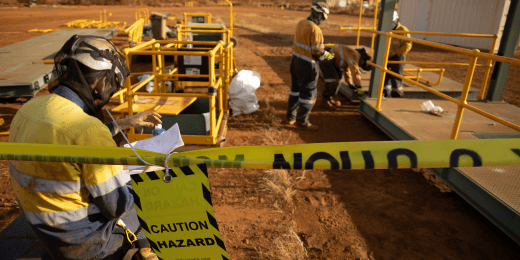
A Controlled Access Zone is a designated area on a construction or work site where access is restricted to authorized personnel only to protect them from specific hazards, such as falling materials or overhead work. It is typically marked with warning lines, signs, or barriers to clearly define its boundaries. The purpose of this zone is to enhance safety by ensuring that only trained or essential workers enter potentially dangerous zones.
Controlled access zones play an important role in construction safety by creating clearly defined areas where only authorized and trained personnel can enter. These zones are typically used when conventional protective systems, such as guardrails or scaffolds, are not feasible. Barriers, signs, and warning lines mark the perimeter of the zone, helping workers recognize where they must take extra precautions or avoid entering altogether.
Inside a controlled access zone, workers perform specific tasks such as bricklaying, steel erection, or overhead work with minimal interference and reduced risk to others on site. A competent person is usually assigned to monitor the zone, ensuring that safety procedures are followed and that no unauthorized personnel enter. This setup not only prevents accidents, but also improves overall site organization and workflow efficiency.
Raise the level of safety for all workers through real-time data, standardized procedures, and effective communication across multiple sites.
There are different types of controlled access zones found on construction sites. Each type allows different workers with specific skills inside, and teams need to understand when and how to use them.
Below are some of the common types of controlled access zones:
Fall protection controlled access zones are established in areas where workers are exposed to fall hazards, but the use of conventional fall protection systems are not practical. These zones are marked with warning lines or physical barriers to limit access only to authorized and trained personnel. By restricting entry, the risk of accidental falls and injuries is significantly reduced during elevated work activities.
Controlled demolition zones are created to keep unauthorized personnel away from areas where structures are being torn down. These zones are clearly marked to prevent exposure to falling debris, dust, and other hazards associated with demolition work. Only workers directly involved in the demolition process are permitted to enter, ensuring a safer and more organized work environment and community.
As part of roof safety, a controlled access zone can be created and used when installing, repairing, or inspecting roofs where fall protection systems are not immediately in place. Warning lines or flags define the perimeter to alert workers of the potential fall risks. This setup helps ensure that only authorized roofing personnel enter the area while maintaining compliance with safety regulations.
When there is a scaffold being used in a construction site, acaffold erection and dismantling zones restrict access to the area where scaffolding is being assembled or taken down. These zones protect other workers from hazards such as falling tools, materials, or unstable structures. Only trained scaffold workers and competent supervisors are allowed within these zones to maintain site safety and efficiency.
Hazardous material handling zones are designated areas where potentially dangerous substances are used, stored, or transported. These zones are marked and isolated to prevent exposure to toxic chemicals, fumes, or spills. Access is limited to workers with proper training and protective equipment, ensuring compliance with health and safety standards.
Setting up and managing a controlled access zone is a complex task with numerous challenges. It’s important for teams to understand the potential risks and hazards they may face before setting one upto better prepare for the process.
Here are some of the key challenges teams should expect:
One of the main challenges in controlled access zones is ensuring that only authorized personnel can enter restricted areas. On busy construction sites, workers, visitors, and equipment may unintentionally cross into these zones without proper clearance or permits to work. Maintaining effective access control requires clear signage, physical barriers, and consistent enforcement of entry protocols.
Properly defining and maintaining the boundaries of a controlled access zone can be difficult, especially as site and weather conditions change. Construction layouts often evolve, requiring frequent adjustments to warning lines or barricades. Without clear and updated boundaries, workers may accidentally enter hazardous areas, increasing the risk of injury.
Continuous supervision is essential to keep controlled access zones effective and safe. However, limited personnel or shifting work schedules can make consistent monitoring challenging. Without proper oversight, unauthorized access or unsafe practices can occur, reducing the overall protection these zones are meant to provide.
Controlled access zones must adapt to different work phases, weather conditions, and safety requirements. As construction activities progress, the size and location of these zones often need adjustment to stay effective. Failing to update the layout or safety measures can lead to confusion and increased exposure to hazards.
According to US Occupational Safety and Health Administration (OSHA) regulations, controlled access zones may be used only when conventional fall protection systems such as guardrails, safety nets, or personal fall-arrest systems are not practical or would create a greater hazard. When a controlled access zone is implemented, it must be part of an approved alternative fall protection plan that outlines how worker safety will be maintained. The control lines that define the zone must be clearly marked and positioned between six and twenty-five feet from the unprotected edge, with each end securely attached to a stable structure to ensure clear and effective boundaries.
However, when conventional fall protection systems are usable, they must be utilized first. It is the employer’s responsibility to ensure that typical fall protection methods are feasible first before implementing the use of controlled access zones, as these zones should be treated as a last resort.
Here are some best practices that teams can adopt to make their controlled access zones safer, more effective, and easier to manage.
All controlled access zones should be clearly marked with visible signs and warnings to alert workers and visitors of potential hazards. Proper signage helps prevent accidental entry and reinforces awareness of site safety rules. Using consistent colors and symbols across the site improves recognition and compliance among all personnel.
Physical barriers or warning lines create a clear visual and physical distinction between safe and restricted areas. These boundaries help control movement and minimize the risk of unauthorized access to hazardous zones. Regular checks should be made to ensure barriers remain intact and properly positioned throughout the project.
Access to controlled zones should be restricted to workers who are trained and authorized to perform specific tasks within the area. Maintaining a record of authorized personnel and enforcing entry rules ensures accountability and safety. This practice reduces the likelihood of untrained individuals being exposed to unnecessary risks.
Routine inspections and audits help verify that controlled access zones are properly maintained and compliant with safety regulations. These checks identify damaged barriers, faded signage, or procedural lapses before they become hazards. Consistent oversight strengthens overall safety performance and fosters a proactive safety culture on-site.
Integrating modern technology can greatly enhance the effectiveness of controlled access zones. Tools like digital entry systems, sensors, construction equipment management systems, and real-time monitoring help track personnel movement and detect boundary breaches. Technology also streamlines recordkeeping, training, and inspections with digital forms, cloud storage, and real-time notifications, ensuring continuous real-time improvement in construction safety management.
SafetyCulture is a mobile-first operations platform adopted across industries such as manufacturing, mining, construction, retail, and hospitality. It’s designed to equip leaders and working teams with the knowledge and tools to do their best work—to the safest and highest standard.
Efficiently manage and streamline health and safety processes across the organization, including incident management, safety audits and inspections, risk assessment, waste management, and more, using a comprehensive EHS software solution.
Save time and reduce costs
Stay on top of risks and incidents
Boost productivity and efficiency
Enhance communication and collaboration
Discover improvement opportunities
Make data-driven business decisions