Rainwater Harvesting: How it Improves Business Operations and Sustainability
Learn what rainwater harvesting is, its benefits, and the best practices teams should remember regarding it.
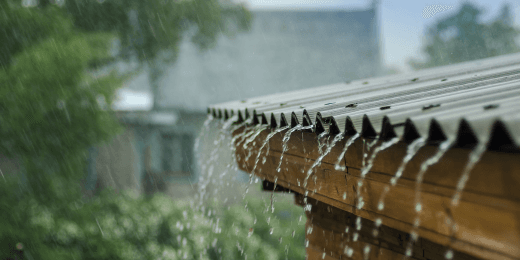
Learn what rainwater harvesting is, its benefits, and the best practices teams should remember regarding it.
Published 5 May 2026
Article by
6 min read
Rainwater harvesting is the process of collecting and storing rainwater from rooftops, surfaces, or catchment areas for future use. It helps reduce dependence on municipal water systems and supports sustainable water management. The harvested water can be used for irrigation and cleaning, and in some systems, it can even be treated for potable use.
Implementing rainwater harvesting helps organizations reduce their environmental footprint and lower water costs by reusing a natural resource that would otherwise go to waste. In the process, this also supports sustainable change by promoting responsible water management and reducing strain on public water systems. Companies that adopt this practice also enhance their green credentials, appealing to clients and partners who value environmental responsibility.
Beyond cost savings, rainwater harvesting improves water security for organizations during droughts or supply disruptions. The collected water can be used for cleaning, landscaping, or cooling processes, ensuring operational continuity while conserving treated water. Over time, this system helps create a more resilient and eco-efficient workplace that aligns with long-term sustainability goals and green building certifications such as LEED.
Drive sustainable growth and create long-term value with our ESG solutions.
The main components of a rainwater harvesting system include a catchment area, gutters, a first flush diverter, storage tanks, filters, and a distribution network. The first flush diverter removes initial dirty water containing dust or pollutants, while filtration ensures cleaner storage. Together, these components allow safe, efficient collection and use of harvested rainwater across the organization’s operations.
There are various approaches to harvesting rainwater, from rooftop collection at facilities to modern innovations that take the process to the next level. Below are a few of the ways organizations can harvest rainwater from different sources:
Rooftop harvesting is the most common form of rainwater harvesting, wherein rainwater is collected from roofs and directed to storage tanks or cisterns. The water passes through filters to remove debris and contaminants before storage. This method is one of the most cost-effective ways to harvest rainwater. It’s ideal for organizations with large roof areas, providing a reliable and cost-effective water source for non-potable uses.
Surface runoff harvesting captures rainwater that flows over paved surfaces, parking lots, or landscaped grounds within a facility. The collected water is directed through drains or channels into storage tanks or recharge pits for later use. This system helps reduce flooding, prevent erosion, and make use of water that would otherwise be lost as runoff.
While rainwater harvesting is a sustainable practice that many organizations should follow, there are certain challenges teams can face when setting up a harvesting system. Here are some of the key challenges businesses should expect and prepare for:
One of the main challenges of setting up a rainwater harvesting system is the significant upfront cost required for materials, installation, and infrastructure. Organizations need to invest in tanks, filtration systems, pumps, and plumbing connections to ensure proper functionality. Although the system offers long-term savings, the initial financial commitment can be a barrier for some companies.
Maintaining water quality is a continuous challenge, as stored rainwater can become contaminated by debris, dust, or biological growth. Regular cleaning, filter replacement, and system inspections are essential to ensure safe and usable water. Without proper maintenance of necessary water quality management tools, the system’s efficiency and water safety can decline, limiting its effectiveness for organizational use.
Limited space in urban or industrial facilities can restrict where tanks and other rainwater harvesting components are installed. Rooftop and ground-level storage must be carefully planned to avoid disrupting existing structures or operations. For some organizations, finding the right balance between available space and storage capacity can be a complex design challenge.
Inconsistent or unpredictable rainfall patterns can affect the amount of water collected and stored throughout the year. Organizations in regions with long dry seasons and droughts may find it difficult to rely solely on harvested rainwater. To address this, systems often need to be combined with other water sources or designed with larger storage capacity to handle fluctuations.
Teams setting up harvesting facilities and systems are highly encouraged to customize their systems to their unique needs, such as the rainfall they get in their area, how they plan to use the water, and more. Below are a few best practices to remember to help build the ideal rainwater harvesting system for the team:
The most important part of efficient rainwater harvesting is using the right tools for it. Modern rainwater harvesting systems now integrate smart technologies and advanced designs to improve performance. Features like smart machine monitoring sensors, liquid level sensors, automated irrigation controls, and multi-stage filtration systems enhance efficiency and water quality. These innovations make it easier for organizations to manage and maintain sustainable water systems in line with modern environmental standards.
Additionally, modern technology such as digital tools support inspections, asset management, sensor data analysis and reading, and staff training to improve operational efficiency. By integrating these into rainwater harvesting practices, organizations can better ensure their systems remain efficient, reliable, and adaptable.
Before harvesting rainwater, organizations should first make a well-structured plan that outlines objectives, catchment areas, storage needs, and end uses for the harvested water. A comprehensive plan ensures efficient system design, cost control, and proper integration with facility operations. It also helps align the project with sustainability goals and long-term water management strategies.
Investing in durable tanks, efficient filters, and corrosion-resistant materials improves system reliability and water safety. High-quality collection and storage equipment reduces contamination risks and minimizes long-term maintenance costs. By prioritizing quality, organizations can ensure consistent performance and maximize the benefits of rainwater harvesting.
Regular inspections, maintenance, cleaning of gutters, filters, and tanks are essential to maintain water quality and system efficiency. Following this, testing the collected water should be done religiously as well. Scheduled routine water testing ensures that the harvested water remains safe for its intended uses.
While these can be time-consuming and tiring, proactively doing these tasks prevents system failures, extends equipment life, and supports compliance with safety standards. Regular inspections also help identify possible improvements to implement in the rainwater harvesting and water quality management processes, thus enhancing operations for all.
Organizations must follow local water use, storage, and environmental regulations when implementing rainwater harvesting systems. Compliance ensures legal operation and can open access to incentives or certifications for sustainable practices. Understanding these requirements early in the planning process helps avoid costly adjustments or penalties later.
SafetyCulture is a mobile-first operations platform adopted across industries such as manufacturing, mining, construction, retail, and hospitality. It’s designed to equip leaders and working teams with the knowledge and tools to do their best work—to the safest and highest standard.
SafetyCulture complements your organization's efforts to implement and maintain ESG strategies. Through seamless data collection, real-time tracking, and reporting of your progress against sustainability goals, your organization can effectively drive sustainable growth and success.
Save time and reduce costs
Stay on top of risks and incidents
Boost productivity and efficiency
Enhance communication and collaboration
Discover improvement opportunities
Make data-driven business decisions