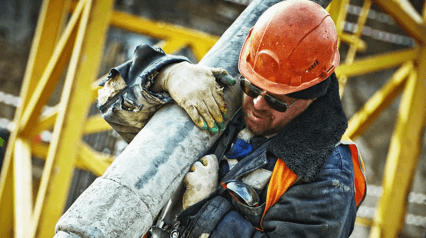
An Introductory Guide to Lifting Safety Training
Know and understand the importance of lifting safety training, the key topics it covers, who should take it, and the countries that enforce lifting safety regulations.
Know and understand the importance of lifting safety training, the key topics it covers, who should take it, and the countries that enforce lifting safety regulations.
Published 28 Apr 2026
Article by
6 min read
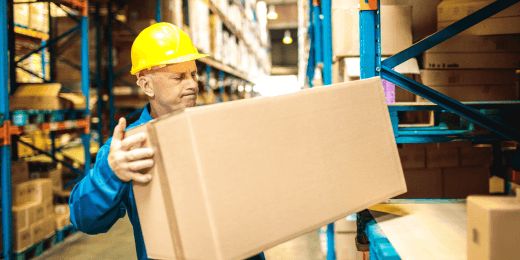
Lifting safety training focuses on instructing employees on proper techniques, practices, and protocols for lifting, carrying, moving, and handling objects to avoid accidents or injuries. It also equips employees to perform safe operations of mechanical equipment, such as forklifts and cranes. It’s recommended in workplaces that require manual and mechanical lifting, such as construction, warehouses, retail, healthcare, manufacturing, and offices.
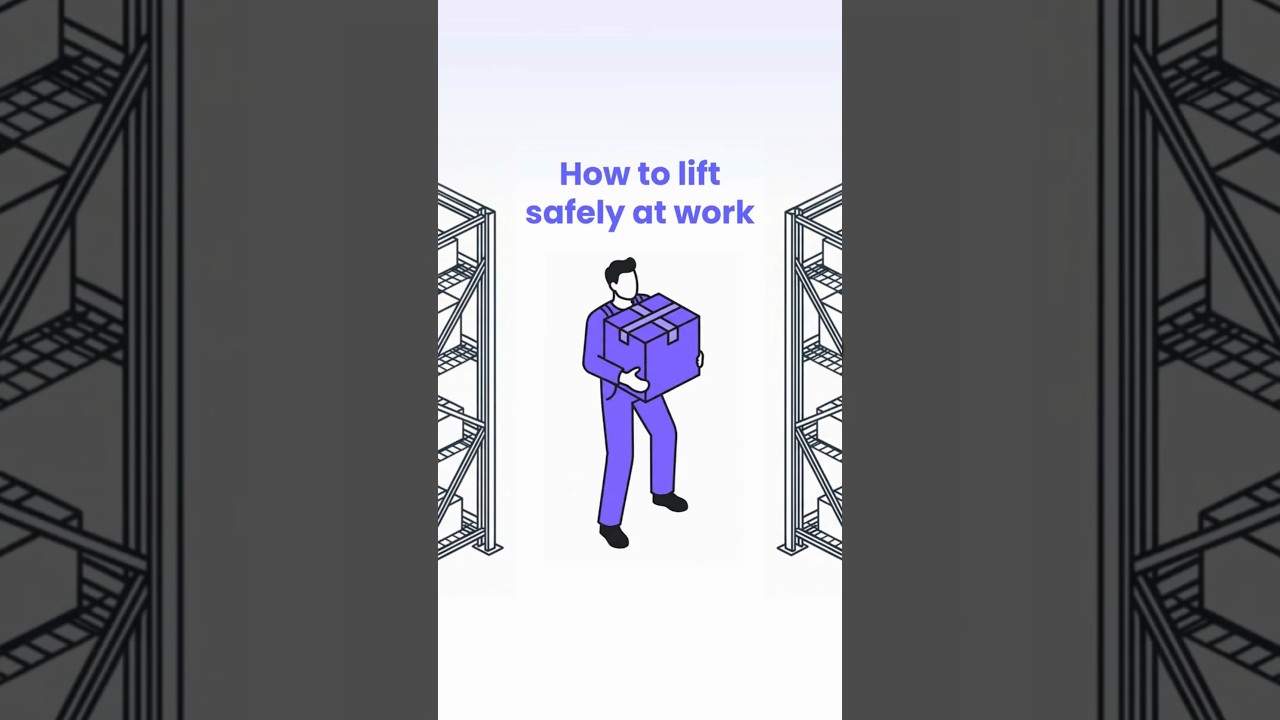
Lifting safety protects workers from serious injuries and safeguards companies from financial loss caused by workplace accidents. It also improves the efficiency of employees at work and promotes compliance with workplace safety regulations. Through safe lifting training, employees and organizations will be able to achieve the following:
Mitigates risks for injuries and accidents: Employees can reduce back strains, sprains, and muscle tears by learning proper body posture that protects their shoulder, back, and spine, and understanding correct equipment operations. This also prevents them from acquiring long-term musculoskeletal disorders (MSDs).
Improves awareness and decision-making: Through training, employees will be able to identify easy loads from heavy loads properly.
Reduces lost time and expenses: By reducing workplace injuries and compensation claims, it helps decrease absenteeism and downtime for workers while also minimizing employers’ insurance claims and medical costs.
Boosts productivity and efficiency: Safe lifting reduces muscle strain and body fatigue, allowing workers to operate with fewer disruptions and move loads more efficiently.
Upholds legal and safety compliance: It fortifies safe work procedures and policies due to its compliance with occupational health regulating bodies such as the US Occupational Safety and Health Administration (OSHA) standards. This reduces legal penalties and audit failures and improves the company's safety environment.
Strengthens safety culture: Lifting safety training encourages employees to speak up about unsafe lifting in the workplace. This also reinforces workplace safety and hazard awareness across departments and encourages accountability from employers.
Protects long-term health: With the mitigation of risks of acquiring long-term MSDs, lifting safety training helps workers maintain injury-free and healthy careers. Chronic pain will also be avoided.
Lifting safety training is designed to provide individuals with relevant knowledge, skills, and competencies on implementing and evaluating effective safe lifting practices and operations across different industries. It aims to build confidence in load characteristics assessment, hazard identification, and compliance with relevant safety standards and legal requirements. Workplace lifting safety training talks about core topics such as:
Risk and hazard knowledge: This includes inspecting risk factors such as bulky or unstable loads, awkward postures, slippery or cluttered paths, and uneven surfaces. It also equips workers to check activities based on the frequency, height, and distance of lifting operations. It is crucial to be aware of hazards and risks to prevent falls, slips, and trips in work areas.
Safe lifting fundamentals: This focuses on ergonomic lifting, where proper body posture and mechanics are observed when doing lifting activities. This includes bending at the knees and hips, keeping the load close to the body, and avoiding twists during lifting. It also discusses load weight assessment and path clearance before lifting.
Usages of mechanical equipment and ergonomics: This involves understanding and practicing safe use of mechanical aids such as trolleys, dollies, pallet jacks, carts, and cranes to reduce manual efforts. Moreover, ergonomics safety pertains to the promotion of adjustable workplaces for teams to work comfortably and productively.
Injury prevention practices: This reminds workers about unsafe actions such as moving objects above the shoulders, working even if exhausted, and hurrying to finish lifting activities.
Legal and safety compliance responsibilities: With this topic, employers and workers will learn more about their duties in supporting regulatory compliance requirements and practicing industry standards for safety in the workplace.
Lifting safety training is important for workers who lift, carry, and move loads as part of their work to avoid accidents and musculoskeletal injuries and observe safe work practices. It’s a good guide for workers involved in lifting activities, such as:
Manual handling workers: They usually perform activities such as lifting, carrying, holding, and moving loads by hand or mechanical equipment. These activities require physical strength and are done repetitively during work production. Lifting safety training protects them from possible injuries or long-term chronic pain.
EHS manager: They’re usually the ones who are responsible for designing effective lifting commands and safe work techniques to ensure that manual handling risks are evaluated. They encourage adherence to health and safety regulations. Lifting safety training enables them to complete risk assessments and select the correct controls and equipment to avoid injuries.
Safety coordinator: They’re responsible for leading lifting risk assessments and inspections, and delivering or organizing lifting safety training for workers. Aside from acting as a monitor for compliance with safe lifting practices, they also serve as a point of contact for lifting-related concerns. Lifting safety training helps them spot workers’ unsafe practices and provides them with corrective actions.
Operations supervisor: They’re in charge of organizing daily lifting tasks and deciding when team lifting or mechanical aids are needed. They also check if workers are adhering to proper lifting principles.
According to the 2024/25 Data of Employer Reporting of Injuries, Diseases and Dangerous Occurrences Regulations (RIDDOR), 30% of workplace injuries happen as a result of handling, lifting, and carrying loads. Because of this, several countries impose and require safety lifting training to establish workplace safety, prevent injuries or fatal accidents, and reduce expenses. Non-compliance can lead to penalties, legal prosecution, and harm to workers.
Country | Agency & Regulation | Specific Mandates and Focus |
USA | Federal -OSHA 29 CFR 1926.1427 | It requires employers to ensure that each operator is trained with the necessary skills and knowledge to operate equipment safely by having a certification or license. |
UK | Lifting Operations and Lifting Equipment Regulations 1998 (LOLER) | It indicates that lifting operations involving a lifting machine must be properly supervised and planned by competent workers. |
Australia | Work Health and Safety (WHS) regulation -High Risk Work Licenses (HRWL) | Under WHS, certain workers in lifting roles are required to obtain an HRWL before conducting tasks such as rigging or operating forklifts and cranes. |
Canada | Ontario Guidance referencing OSHA + Regulation 851 of Industrial Establishment | This indicates the legal requirements of periodic assessment of powered lift-trucks to check their safety and load-handling capacity. |
EU | Directive 2009/104/EC | It pertains to verifying that workers using lifting equipment, such as forklifts, must have sufficient training. |
New Zealand | Health and Safety at Work (General Risk and Workplace Management) Regulations 2016 | It indicates that Persons Conducting a Business or Undertaking (PCBUs) provide training and supervision to protect workers, including those who work under lifted objects. |
SafetyCulture is a mobile-first operations platform adopted across industries such as manufacturing, mining, construction, retail, and hospitality. It’s designed to equip leaders and working teams with the knowledge and tools to do their best work—to the safest and highest standard.
Streamline processes, eliminate bottlenecks, enhance resource utilization, and build an agile and scalable infrastructure with SafetyCulture. Strive for operational excellence to boost competitive advantage, foster sustainable growth, and deliver long-term value.
✓ Save time and reduce costs
✓ Stay on top of risks and incidents
✓ Boost productivity and efficiency
✓ Enhance communication and collaboration
✓ Discover improvement opportunities
✓ Make data-driven business decisions