Hydroelectric Power: An Introduction for Organizations
Learn the uses and benefits of hydroelectric power, along with the barriers to its adoption.
Learn the uses and benefits of hydroelectric power, along with the barriers to its adoption.
Published 5 May 2026
Article by
6 min read
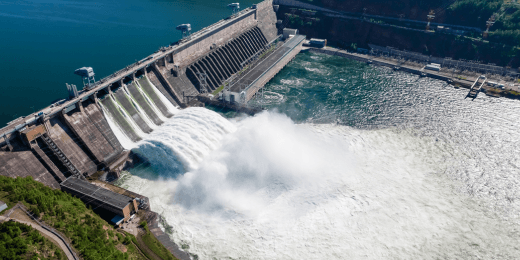
Hydroelectric power is energy generated by using the force of moving or falling water to turn turbines connected to electricity generators. It typically relies on dams, reservoirs, or natural river flow to create enough water pressure to drive the turbines. Because water is easily replenished at the source, hydroelectricity is considered a renewable and reliable form of power generation.
Hydroelectric power works by capturing the movement of water and converting it into usable electricity, making it one of the most dependable renewable energy sources. To be specific, water stored in a reservoir or flowing through a river is directed toward turbines, and the force of this moving water spins the turbine blades. As the turbines turn, they activate generators that produce electricity.
In most systems, dams help regulate water flow to ensure a steady, predictable power supply. When water is released, it passes through penstocks, increasing pressure and improving turbine efficiency. After spinning the turbines, the water is safely returned downstream, completing the cycle. The returned water can then be used again as needed, depending on the system used.
Hydroelectric power offers major benefits, with its main one being its ability to generate clean, renewable electricity with very low emissions. It reduces reliance on fossil fuels and supports long-term sustainability goals. Water flow can also be managed to provide highly reliable and consistent power for both baseload and peak demand.
Hydropower plants also have long operational lifespans that can last decades, making them more cost-effective compared to other types of plants. With this long-term reliability, they can help with ensuring grid stability by responding quickly to fluctuations in electricity demand. Many hydroelectric projects also create additional benefits for the environment and communities, such as improved water management, flood control, and recreational opportunities.
Hydroelectric power is used around the world to provide clean, reliable electricity for homes, industries, and communities. Its flexibility and stability make it valuable in both everyday operations and critical grid functions. Key uses for hydroelectric power include the following:
Generating baseload electricity for continuous, stable energy supply
Providing peak power during high-demand periods
Supporting grid stability through frequency regulation and rapid response
Powering remote or off-grid communities
Feeding renewable energy into national or regional power grids
There are different ways plants harness hydroelectric power. Each method and type of plant offers its own set of benefits and drawbacks. Understanding how the type of hydroelectric plant can impact the way power is harnessed is key in setting up the right plant for the area.
Impoundment hydropower plants use a dam to store water in a reservoir, creating a controlled and pressurized flow. When water is released, it passes through turbines that generate electricity. This type allows operators to manage water flow for steady, reliable power and peak-demand support.
Run-of-river or diversion hydropower plants generate electricity by using the natural flow of a river without large reservoirs. Water is diverted through channels or penstocks to spin turbines before returning to the river. Because it relies on natural flow, power output can vary with seasonal water levels.
Pumped storage hydropower plants act like a giant battery by moving water between two reservoirs at different elevations. During low-demand periods, electricity is used to pump water to the upper reservoir, storing energy for later use. When demand rises, the stored water is released back down through turbines to generate power.
Small-scale and micro-hydro power plants generate electricity for local use, often powering rural or remote communities. They typically rely on small rivers or streams and require minimal infrastructure, while sometimes also using run-of-river plants. Because they operate at modest flow rates, they offer sustainable, low-impact power solutions for off-grid or distributed energy needs.
While hydroelectric power is a great source of renewable energy, there are challenges that make adoption harder, turning away interested parties. Below are some of the key barriers faced by governments and organizations looking to adopt hydroelectric power:
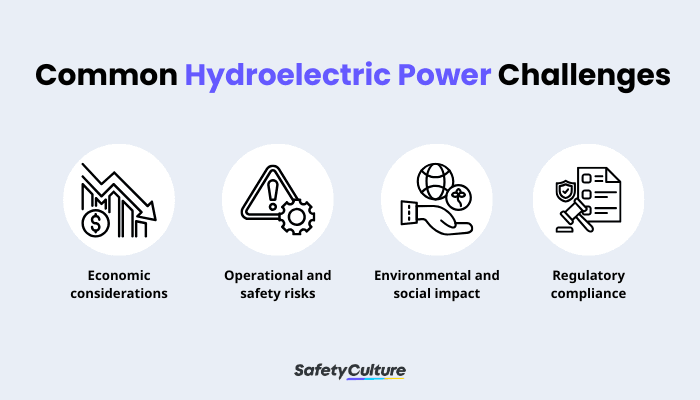
Common Hydroelectric Power Challenges
Hydroelectric projects require high upfront capital for construction, land preparation, and supporting infrastructure. Long development timelines can create financial uncertainty, especially in regions with fluctuating energy markets. Maintenance and modernization costs also add pressure, particularly for aging dams.
Hydropower facilities must manage fluctuating water levels, sediment buildup, and mechanical wear that can affect both performance and worker safety. Extreme weather events or structural issues may also pose safety risks to both workers and downstream communities. Continuous monitoring and maintenance are essential to ensure reliable and safe operations.
Large hydropower projects can disrupt river ecosystems, affecting fish migration, water quality, and natural habitats. Reservoir creation may also displace communities or alter local livelihoods. Mitigating these impacts requires careful planning, environmental assessments, and long-term stewardship.
Hydropower developers must navigate complex permitting processes involving water rights, environmental regulations, and safety standards. These requirements can extend project timelines and increase costs. Ongoing reporting, inspections, and upgrades are often necessary to remain in compliance over the plant’s lifespan.
Well-managed hydroelectric power plants rely on strong operational practices to ensure safety, reliability, and long-term efficiency. These best practices help operators optimize performance, protect surrounding environments, and maintain compliance with regulatory standards. Implementing them consistently supports both energy production goals and sustainable resource management.
Adopt modern technology such as operations and quality improvement software to enhance inspection processes, maintenance, asset management, and worker safety
Conduct regular equipment inspections and preventive maintenance with digital forms for quick reporting and analysis
Implement strong dam safety and risk management protocols and disseminate them in real-time
Monitor water flow, sediment levels, and reservoir conditions with water level sensors connected to the cloud
Establish emergency response and communication plans, and update them regularly
Prioritize environmental protection and fish-friendly operations, and coordinate with local government bodies for efficiency
Train personnel in safety, operations, and compliance procedures regularly with mobile-ready courses
SafetyCulture is a mobile-first operations platform adopted across industries such as manufacturing, mining, construction, retail, and hospitality. It’s designed to equip leaders and working teams with the knowledge and tools to do their best work—to the safest and highest standard.
Streamline processes, eliminate bottlenecks, enhance resource utilization, and build an agile and scalable infrastructure with SafetyCulture. Strive for operational excellence to boost competitive advantage, foster sustainable growth, and deliver long-term value.
✓ Save time and reduce costs
✓ Stay on top of risks and incidents
✓ Boost productivity and efficiency
✓ Enhance communication and collaboration
✓ Discover improvement opportunities
✓ Make data-driven business decisions