WHMIS Compliance in Canada: What Businesses Need to Know
Discover what WHMIS means for your organization and how to implement it correctly. Stay safe, compliant, and informed in your Canadian workplace.
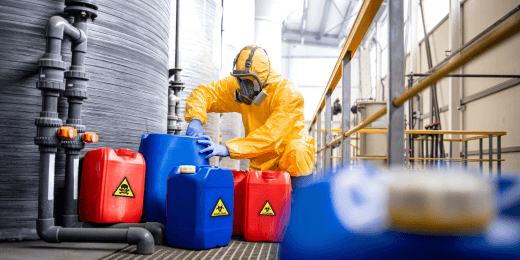
Discover what WHMIS means for your organization and how to implement it correctly. Stay safe, compliant, and informed in your Canadian workplace.
Published 28 Apr 2026
Article by
6 min read
WHMIS, or the Workplace Hazardous Materials Information System, is a national communication standard in Canada designed to protect workers by ensuring they have critical information to handle, use, and store potentially dangerous substances in the workplace. This mandated system consists of three key elements: labels, Safety Data Sheets (SDS), and worker education.
Established in 1988, the WHMIS is a consensus-driven initiative that addresses the need for consistent and accessible information about hazardous materials in the workplace. It’s a by-product of the Canada Occupational Health and Safety Regulations’ (COHSR) Right to Know principle, which states employees should be informed of the dangers associated with the materials they use or come into contact with at work, including the following:
Health effects, such as burns, skin rashes, and damage to organ systems
Safety hazards, including fires, explosions, and other accidents
Controls to reduce workplace injuries, illnesses, deaths, medical costs, and property damage.
Since its creation in 1988, improvements have been made to the standard to align it with the United Nations’ Globally Harmonized System (GHS) of Classification and Labelling of Chemicals.
The WHMIS 2015 provided a more comprehensive workplace hazardous materials information system that includes detailed criteria for hazard classification, a standardized 16-section SDS, new label requirements, and more appropriate terminology to reflect the nature of materials. All these changes aim to do the following:
Protect employees by providing information about the risks of hazardous materials and safe handling procedures to reduce the likelihood of workplace accidents and illnesses.
Prepare workers to respond to emergencies involving these hazards, minimizing harm and business disruptions.
Save costs associated with workplace injuries, such as hospitalization, claims, and insurance payments.
Comply with federal, provincial, and territorial laws, avoiding potential legal penalties.
Stay ahead of regulations and maintain a safe workplace with a digitized compliance tool.
WHMIS is built on three foundational elements that work together to ensure that frontline workers have the right information at the right time to protect health, save lives, and avoid costly incidents. These are the three components of WHMIS:
Considered the first line of defense in Hazard Communication (HazCom), these visual identifiers are placed on hazardous products, ensuring immediate recognition of hazards, particularly their risks and necessary precautions. These are the two types:
Supplier labels are provided by the manufacturer or importer
Workplace labels are created by the employer for secondary containers
Here are some label requirements based on the WHMIS 2015:
Product identifier (in both English and French)
Pictograms (standard hazard symbols)
Signal word (e.g., danger or warning)
Hazard and precautionary statements
Supplier identification
These detailed documents provide in-depth information about the hazardous substances and serve as a key reference for supervisors, workers, and emergency responders. Here are the critical sections of a GHS-aligned SDS:
Hazard identification
First-aid measures
Handling and storage
Exposure controls or personal protection
Toxicological information
Workers should be able to recognize WHMIS elements, promptly identify hazards, and readily respond to potential exposure or emergencies. Targeted training equips employees at all levels with the necessary knowledge and skills to accomplish all those. Here are some guidelines per the standard:
Employers are obligated to provide workplace training.
Training should cover the following:
Understanding WHMIS labels and SDS
Proper handling, use, storage, and disposal of hazardous materials
Emergency procedures
Workers should demonstrate competency.
Refresher trainings are required in these cases:
Introduction of a new hazard
Change in process or condition
A significant change in SDS information
Build from scratch or choose from our collection of free, ready-to-download, and customizable templates.
Canada’s hazard communication system works only when everyone involved does their part seriously. Suppliers should ensure their products comply with the standards. Employers carry most of the responsibility for WHMIS implementation in the workplace, from preparing labels to developing control measures. Workers are required to participate in training and follow safe work practices.
In Canada, the WHMIS is regulated under the Hazardous Products Regulations (HPR). Several agencies enforce the rules:
Health Canada and the Labour Program of Employment and Social Development Canada (ESDC) at the federal level
Provincial and territorial OHS agencies
The Hazard Communication Standard (HazCom 2012) enforced by the Occupational Safety and Health Administration (OSHA) in the United States has a lot of similarities with WHMIS, due to the GHS. Except for the bilingual format in Canada, the biggest distinction between the two is the hazard classification and legal jurisdiction. Collaboration is vital between the two countries to facilitate cross-border trade and compliance.
Implementing WHMIS in the workplace is about creating a safe, informed, and compliant work environment. While numerous challenges may disrupt the operations and put workers at risk, adopting the following best practices can strengthen the system:
Untracked or forgotten chemicals create hidden risks. Keeping a current and accurate list of all hazardous products used, stored, or handled ensures visibility of potential risks. Remember, this is the foundation for other WHMIS elements, such as labeling, SDS access, and training.
Outdated or inaccessible SDS can delay response during emergencies. Making this document readily available minimizes potential risks, including compliance-related ones during inspections.
Ensuring all containers (original or secondary) have appropriate, legible, and compliant labels eliminates confusion, subsequently reducing exposure, accidents, or violations. Safety signs and symbols are essential and mandatory components of proper labeling practices. Ascertain that workers are also knowledgeable about this.
Knowledge gaps lead to unsafe behaviors. Providing employees with initial and ongoing WHMIS training specific to their job functions and materials handled can directly decrease incident rates. Targeted safety training also helps the company comply with the regulations, wherever its jurisdiction is.
Preparedness reduces panic, delayed emergency actions, and chaos. Creating and practicing clear protocols for handling spills, exposures, and other hazardous materials incidents improves response times.
Designating individuals or teams to oversee the program elements is crucial to its success. Accountability tackles the issue of neglect and inconsistent application, which may lead to gaps in training, documentation, and enforcement.
Workplaces, materials, and regulations continuously evolve, making static programs outdated and ineffective. Periodically auditing WHMIS procedures, training programs, labels, and SDS prevents complacency, helping companies stay ahead of changes.
SafetyCulture is a mobile-first operations platform adopted across industries, such as manufacturing, mining, construction, retail, and hospitality. It’s designed to equip leaders and working teams with the knowledge and tools to do their best work—to the safest and highest standard.
Ensure labeling policies, safe handling procedures, Personal Protective Equipment (PPE) usage, and emergency protocols are meticulously followed through regular automated inspections. Organize digitized SDS, training materials, and compliance documents in a centralized hub, allowing employees and other relevant stakeholders to access them anytime. Streamline WHMIS planning and implementation, upholding workplace safety and compliance, through a unified platform.
✓ Save time and reduce costs ✓ Stay on top of risks and incidents ✓ Boost productivity and efficiency ✓ Enhance communication and collaboration ✓ Discover improvement opportunities ✓ Make data-driven business decisions