Water and Waste Management: Strategies for a Sustainable Future
Explore practical strategies and innovations in water and waste management, from conservation and recycling to policy reforms that shape a cleaner, more sustainable world.
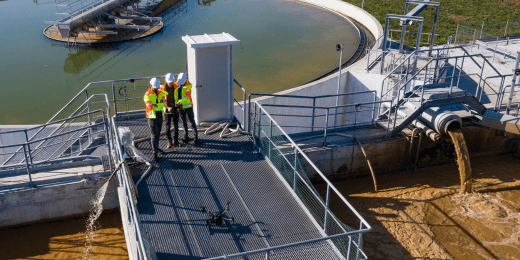
Explore practical strategies and innovations in water and waste management, from conservation and recycling to policy reforms that shape a cleaner, more sustainable world.
Published 5 May 2026
Article by
7 min read
Water and waste management refers to the systematic approach of sourcing, conserving, using, and treating water alongside the proper collection, handling, treatment, and disposal of waste materials. It incorporates policies, infrastructure, technology, and community involvement to ensure clean water availability and minimize the impact of harmful waste.
Efficiently managing waste and water is critical in an organization’s Environmental, Health, and Safety (EHS) efforts. Monitoring water usage, effluent treatment and testing, meticulous segregation, and strict hazardous waste disposal are just a few endeavors that should be embedded into the operations, ensuring a safer, sustainable, and regulation-ready workplace.
Waste and water management practices have evolved significantly, from merely dumping trash in the streets or waterways to developing more organized waste collection and disposal systems. Creating and maintaining these frameworks is essential for protecting public health, safeguarding the environment, and maintaining resource and social stability.
Industries are fundamentally responsible for this due to the significant amount of refuse and effluent they generate. While that fact underscores the need for companies’ active participation in minimizing environmental impacts, water and waste management offers numerous benefits. On top of reducing operational costs and disposal fees, proactively tackling this issue demonstrates Corporate Social Responsibility (CSR), improves business sustainability, and ensures regulatory compliance.
Stay ahead of regulations and maintain a safe workplace with a digitized compliance tool.
A robust water and waste management system involves several essential components that address specific challenges and opportunities. It reflects a multidisciplinary and coordinated approach that ensures the success of the company’s EHS efforts for environmental sustainability and the protection of the well-being of its employees and the communities it serves.
With the increasing global water scarcity, conservation is essential to ensure the long-term availability of fresh water for everyone. Efficient usage also reduces the strain on local suppliers and minimizes the energy required for treatment and distribution.
Here are specific efforts to maintain high water quality that industries and communities rely on:
Regular water audits identify leaks and inefficiencies
Investing in water-efficient technology, like flow control devices, greywater systems, and rainwater harvesting
Water-intensive processes review for optimization
Reducing waste lessens the burden on landfills, decreases pollution, and conserves resources. Aside from contributing to sustainability goals, companies that practice this save costs on waste management and raw materials procurement.
These strategies should be considered by any organization serious about mitigating environmental risks:
Source reduction through product design evaluation, efficient inventory management, and digitalization.
Process optimization (e.g., lean manufacturing, yield improvement, spill prevention)
Regular waste audits
Water pollution negatively affects aquatic life and public health. Proper water and wastewater management involves industrial and domestic effluent treatment before releasing them into the environment, reducing ecological and health risks.
These initiatives can greatly contribute to the company's conservation efforts:
Wastewater characteristics assessment
Regular effluent monitoring and system maintenance
Resource recovery from wastewater (e.g., biogas production, nutrient recovery for fertilizers)
Industrial waste is hazardous, causing serious health risks, environmental contamination, and legal liabilities. Following proper protocols for every type of waste, from handling and storage to treatment and disposal, reduces the potential threats to the public and the environment.
Here are some tried and tested ways for hazardous water treatment and waste management:
Safe handling and storage with proper Personal Protective Equipment (PPE) use and personnel training
Substitution with less hazardous alternatives
Supporting a circular economy by keeping materials in use for as long as possible reduces the need for virgin resources. Aside from reducing the volume of waste that requires disposal and lowering Greenhouse Gas (GHG) emissions, this helps companies save on costs and allocate resources for improvements.
Take note of the following programs that can help with this key area:
Source separation throughout the facility
Organic waste composting
Internal reuse programs
Developing and implementing an effective water and waste management system shouldn’t be done for mere compliance. EHS professionals, operations heads, and facility managers should make this a strategic priority—translating environmental goals into actionable processes. This is possible by following this structured approach:
Evaluate the company’s environmental aspects and impacts concerning water usage and waste generation. This helps identify compliance gaps, potential exposure to hazardous materials, and areas of inefficiency across operations. The findings will inform risk-based planning and regulatory alignment.
Build from scratch or choose from our collection of free, ready-to-download, and customizable templates.
Proper handling, recycling, and disposal of different waste types minimizes health and safety risks by improving resource recovery, lowering disposal costs, and ensuring hazardous waste is separated and managed appropriately. The simplest yet most effective waste and water management is color-coded, clearly labeled segregation protocols for recyclable, organics, general, and toxic waste.
Fresh water is a vital resource. Reducing consumption and decreasing the volume of wastewater ease the burden on treatment facilities and reduce environmental pollution. Choose risk controls (e.g., equipment, fixture, technology) that support sustainability goals, environmental compliance, and available resources.
Create a documented plan detailing waste handling, storage, transport, treatment, and disposal procedures. Include guidelines to monitor waste and water management initiatives with specific metrics. Ensure alignment with applicable environmental laws.
Equip staff with knowledge and skills of environmentally responsible procedures, from basic water conservation techniques and solid waste segregation to more complicated spill prevention and emergency readiness.
Tracking water consumption, waste generation, and related Key Performance Indicators (KPIs) facilitates decision-making, especially when choosing the most appropriate control in waste and water management.
Engaging vendors aligned with the company’s sustainability goals is crucial in strengthening the company’s initiatives. Include EHS criteria in procurement policies to amplify internal efforts and minimize environmental impacts.
Companies face significant obstacles in managing water and waste for several reasons. Understanding these issues is the first step to solving them:
Budget constraints - Environmental improvements tend to get deprioritized when resources are tight. On top of seeking grants and rebates, companies should start with low-cost, high-impact programs.
Lack of expertise - Many companies have no specialized knowledge of environmental regulations, treatment technologies, and reporting protocols. Aside from consulting with EHS specialists, encouraging collaboration is crucial.
Low employee engagement - Even the best system will fail when frontline staff are unaware of its importance. Creating engaging training programs tailored to specific roles is the best way to handle this problem.
Inconsistent implementation across sites - Policies and procedures may drastically vary in different sites due to leadership, infrastructure, and regional practices. Establishing a central EHS management system can get this dilemma under control.
Regulatory complexity and changes - Apart from the intricacies of regulations across jurisdictions, these keep evolving. Utilizing regulatory horizon scanning tools helps EHS personnel keep up with changes.
SafetyCulture is a mobile-first operations platform adopted across industries, such as manufacturing, mining, construction, retail, and hospitality. It’s designed to equip leaders and working teams with the knowledge and tools to do their best work—to the safest and highest standard.
Promote operational consistency, improving compliance with regulations and international standards, by standardizing audits and inspections with the help of digital checklists. Facilitate informed decision-making and continuous improvements by leveraging robust analytics, corrective action tracking, and training progress checks. Create a strong foundation for effective environmental management and sustainable operations through a unified platform.
Save time and reduce costs
Stay on top of risks and incidents
Boost productivity and efficiency
Enhance communication and collaboration
Discover improvement opportunities
Make data-driven business decisions