A Guide to Personal Protective Equipment (PPE) for Pest Control
Discover essential PPE for pest control, including requirements and regulations and best practices for usage and maintenance.
Discover essential PPE for pest control, including requirements and regulations and best practices for usage and maintenance.
Published 28 Apr 2026
Article by
7 min read
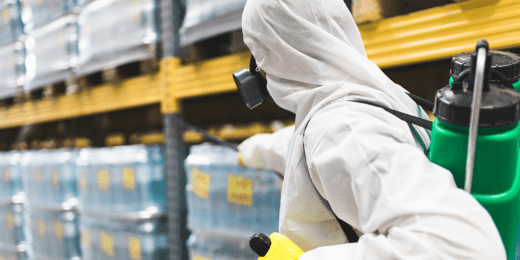
PPE for pest control is essential clothing and gear, such as gloves, respirators, goggles, and coveralls, worn by technicians to safeguard their skin, eyes, and lungs from exposure to chemicals and contaminants. Proper selection should strictly align with Safety Data Sheet (SDS) recommendations, Environmental Protection Agency (EPA) label mandates, and exposure risk to ensure maximum protection.
The need for PPE in pesticide application increased significantly with the shift from natural and botanical repellents to synthetic, often more toxic agrochemicals. This transition grew the need for specialized gear once the harmful effects of these newer chemicals became evident. Here are some specifics:
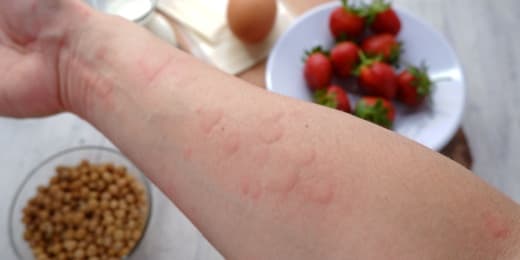
Minimize dermal exposure: 97% of human pesticide exposure during spraying occurs through the skin. Wearing protective coveralls reduces the chance of skin problems, such as contact urticaria, dermatitis, and skin cancer.
Reduce respiratory hazard: Inhaling chemicals poses a higher toxicity risk than dermal exposure. Respirators dramatically reduce the risk of inhaling fine particulates and vapors that can lead to poisoning, asthma, or chronic lung issues.
Enhance worker confidence: Workers who feel protected perform tasks more confidently. Because they don't have to worry about getting sick in the long run, they do their jobs better.
Ensure regulatory compliance: PPE use isn’t optional. Global occupational health and safety departments and environmental agencies enforce strict rules about PPE use and training.
Prevent reputational harm: Organizations implicated in pesticide-related injuries or regulatory safety breaches often suffer severe and lasting reputational damage. The loss of public confidence will affect the company's bottom line.
Cultivate a safe working environment and streamline compliance with our EHS solutions.
Pest control is vital for maintaining public health, food safety, and sanitary environments—but never at the expense of worker health and safety. These must-haves shield workers from toxic exposures:
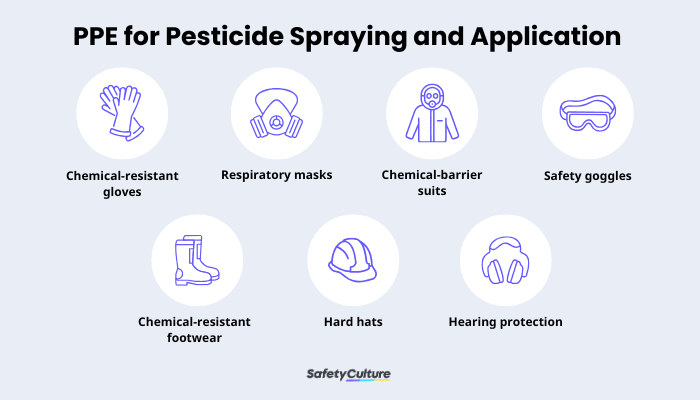
PPE for Pesticide Spraying and Application
Durable gloves made from nitrile, neoprene, butyl, or other chemical-resistant materials protect the hands from direct exposure. Here are some guidelines for selection and use:
Select gloves rated for the pesticide formulation (e.g., oil-, water-, or solvent-based)
Inspect for tears, punctures, or degradation before use.
Replace gloves immediately after contamination or if with signs of wear.
Filtering facepiece respirators (e.g., N95 and P100), half-face, or full-face respirators with approved cartridges prevent inhalation of vapors, fumes, and aerosolized droplets during spraying. Take note of these protocols:
Choose the type based on pesticide label requirements.
Conduct a fit test for a proper seal.
Replace filters/cartridges per schedule or when breathing is difficult.
Limit skin exposure to splashes, chemical drift, and contaminated residue by using full-body garments made from laminated materials, such as Tyvek, Tychem, or Polyvinyl Chloride (PVC). Consider these:
Select a suit material compatible with the pesticide category.
Ensure proper closure to minimize gaps.
Remove and dispose of or launder separately to avoid contaminating personal clothing.
Enclosed eyewear or shields prevent splashes, aerosol mist, and other airborne particles from reaching the eyes. Review the following selection and usage guidelines:
Choose goggles with indirect vents to prevent chemical splash entry.
Ensure ANSI/EN safety certification for impact and splash resistance.
Clean after each use to remove pesticide residue and maintain clear visibility.
Rubber or PVC boots are designed to resist chemical penetration from spills, runoff, and contaminated soil. They also provide a sturdy footing on muddy fields or uneven walking surfaces. Take note of the following tips:
Pick boots with slip-resistant soles for wet surfaces.
Wear pants/coveralls over boots to prevent chemical entry.
Rinse and clean boots thoroughly after each application.
Head injury can happen when work occurs in tight, enclosed spaces, such as attics and crawlspaces. Hats with wide brims are also advisable when toiling under the sun. Take note of these impact-resistant helmet or cap tips:
Choose headgear compliant with ANSI Z89.1 impact standards.
Adjust suspension for a snug but comfortable fit.
Inspect the shell and suspension regularly and replace them if cracked or brittle.
While this isn’t usually part of the basic PPE for pesticide spraying, frontliners using equipment like Ultra Low Volume (ULV) foggers and power sprayers can prevent tinnitus, auditory strain, and potential hearing loss from prolonged exposure to equipment noise.
Select Noise Reduction Rating (NRR)-rated earplugs or earmuffs appropriate for equipment noise.
Ensure a proper seal (earplugs) or a secure fit (earmuffs).
Replace disposable earplugs frequently for hygiene.
Build from scratch or choose from our collection of free, ready-to-download, and customizable templates.
The widespread use of Dichloro-Diphenyl-Trichloroethane (DDT) in the mid-20th century became a turning point for modern pesticide regulation. While incredibly effective, it’s persistent in the environment and, worse, in the human tissue. After its ban in the Stockholm Convention, global organizations and national agencies followed suit with strict rules:
US Environmental Protection Agency (EPA): PPE provision, maintenance, and training are mandatory under the Worker Protection Standard (WPS) and the Federal Insecticide, Fungicide, and Rodenticide Act (FIFRA).
UK Health and Safety Executive (HSE): The Control of Pesticides Regulations (COPR) and Control of Substances Hazardous to Health Regulations (COSHH) mandate risk assessment to determine necessary PPE. Similar to the US, complete protection should also be provided by employers.
Australian Pesticides and Veterinary Medicines Authority (APVMA): The agency enforces similar regulations based on the Agricultural and Veterinary Chemicals Code Act 1994 and the Model WHS Regulations (Safe Work Australia).
European Chemicals Agency (ECHA): Hazard assessment is required before PPE selection. Employers should also document the selection, provision, and training according to the EU Biocidal Products Regulation (BPR) and the REACH Regulation.
Health Canada and Pest Management Regulatory Agency (PMRA): According to the Pest Control Products Act (PCPA) and Canada Labour Code Part II, companies should provide PPEs, accompanying training, and fit testing to employees.
Effective PPE protocols are the primary defense, ensuring pest control professionals are always compliant and shielded from the acute and chronic dangers. Take note of these foundational protocols in pest management:
Inspect every piece of equipment for cracks, tears, residue, and faulty seals. It should be done together with the pest control inspection process, preventing equipment failure during chemical application and reducing exposure risk.
Put on and remove the protective gear in the correct order. This helps minimize cross-contamination, reduce accidental skin or respiratory exposure, and prevent technicians from spreading chemical residue to clean areas or personal clothing.
Clean reusable PPE (e.g., goggles, respirators, boots) with approved detergents. Disposable ones should be bagged and discarded after use. Any residue buildup can compromise protection and reduce equipment lifespan.
Workers should always have ready access to safe, uncontaminated gear. Keep equipment in clean, dry, chemical-free storage rooms or sealed containers. These should be away from sunlight, pests, and contamination sources.
Training on proper use, limitations, and maintenance of all PPE reduces the likelihood of improper use, which leads to exposure. Organizations should conduct annual fit tests, specifically for respirators. However, workers should be empowered to speak up when they see something wrong with their equipment.
Tracking PPE quantities, lifespan, replacement intervals, and disposal dates prevents shortages. This also ensures damaged or expired PPEs are taken out of circulation. Using logs or digital systems makes the job easier.
Conducting routine audits (e.g., checking proper PPE use, storage, labeling, and documentation) supports sustainable systems, such as Integrated Pest Management (IPM). This is because it ensures safe, responsible, and sustainable application practices, minimizes risk to humans and the environment, and strengthens safety culture.
The Australian agricultural company, AGnVET, utilizes digital solutions to enhance their operations. By successfully boosting hazard reporting and simplifying inspections, they demonstrate how a robust platform can help any organization enforce and document the proper selection, maintenance, and usage of PPE in pest control.

“Safety is a priority area of focus and not just something we talk about. We strive every day to build a proactive safety culture.”
The wellbeing of AGnVET’s employees directly impacts the communities they serve. Our people are not just numbers; they have families, partners, and lives outside of work.
SafetyCulture is a mobile-first operations platform adopted across industries such as manufacturing, mining, construction, retail, and hospitality. It’s designed to equip leaders and working teams with the knowledge and tools to do their best work—to the safest and highest standard.
Facilitate routine inspections, inventory tracking, usage compliance checks, and maintenance scheduling with digital checklists, training assignments, and incident-linked audits. Monitor activities in real time to address issues immediately.
Empower workers to follow mandatory PPE guidelines, minimizing exposure risk for themselves and upholding safety in the community they belong to through a unified platform.
✓ Save time and reduce costs
✓ Stay on top of risks and incidents
✓ Boost productivity and efficiency
✓ Enhance communication and collaboration
✓ Discover improvement opportunities
✓ Make data-driven business decisions
In this article