
Park Maintenance: A Guide
Learn what park maintenance is, why it is important, and the different strategies and best practices you can use to enhance maintenance operations.
Published 12 Dec 2025
Article by
5 min read
What is Park Maintenance?
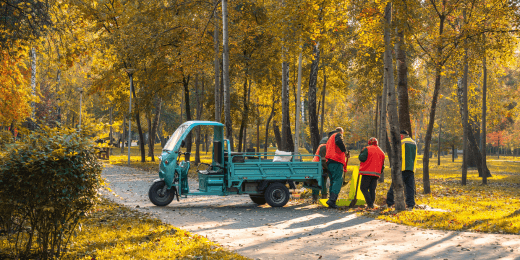
Park maintenance refers to the ongoing care, upkeep, and management of public parks to ensure they remain safe, functional, and enjoyable for visitors. It includes tasks such as landscaping, equipment repairs, trail upkeep, waste removal, and preserving natural habitats. Effective park maintenance helps extend facility lifespan, supports community recreation, and protects the environment.
Importance
The importance of park maintenance goes beyond keeping spaces visually appealing—specifically, effective maintenance of parks plays a major role in public safety, community well-being, and environmental health. Studies have shown well-maintained parks encourage leisurely outdoor activity, support mental and physical wellness especially in times of social stress, all while providing safe spaces for families, children, and seniors. Consistent upkeep also protects ecosystems, reduces long-term repair costs, and ensures smooth cohabitation among different communities and life forms.
Simplify maintenance scheduling for your business with SafetyCulture
Streamline your operations with usage-based maintenance using our intuitive management software.
Park Maintenance Strategies and Types
Due to the variety of parks in the world, there are many different approaches to maintenance as well. Teams should follow and build maintenance strategies based on the parks’ assets, equipment, space, and more. Here are some of the common approaches and types of park maintenance:
Preventive vs corrective maintenance
Preventive maintenance focuses on regularly scheduled tasks designed to prevent equipment failure and reduce wear over time. Corrective maintenance, on the other hand, addresses issues only after they occur, such as repairing broken benches or fixing damaged playground equipment. Combining both approaches helps parks stay safe and functional while minimizing unexpected downtime and repair costs.
Predictive and proactive approaches
Predictive maintenance uses data and monitoring tools to anticipate problems before they happen, allowing park management teams to act early and avoid major issues. Proactive maintenance emphasizes ongoing care, inspections, and upgrades to prevent deterioration and extend the lifespan of park assets. These approaches rely on technology and careful planning to improve efficiency and reduce long-term maintenance costs.
Choosing the right mix for your park
Selecting the ideal maintenance strategy depends on the park’s size, usage, equipment, and budget. Teams often combine preventive, corrective, predictive, and proactive approaches to address different needs effectively. A balanced mix ensures parks remain safe, attractive, and sustainable for visitors while optimizing resources and staff efforts.
Key Challenges in Maintaining Parks
Maintaining a park comes with a variety of challenges that can impact safety, usability, and visitor satisfaction. Park teams must navigate financial limits, environmental factors, and security concerns while keeping facilities in good condition.
Understanding these key challenges is essential for effective planning and long-term park management:
Budget constraints
Limited budgets can make it difficult for park teams to perform regular maintenance, purchase necessary equipment, or hire enough staff. Financial pressures often force prioritization of urgent repairs over long-term improvements. Careful planning and efficient resource use are essential to keep parks safe and functional despite these limitations.
Resource allocation
Managing staff, equipment, and materials effectively is a constant challenge for park maintenance teams. Improper allocation can lead to neglected areas, delayed repairs, or overworked employees. Prioritizing tasks based on safety, usage, and environmental impact helps ensure resources are used where they are most needed.
Vandalism and security
Vandalism and security issues can damage park facilities and discourage visitors from using the space. Maintenance teams must respond quickly to repairs while implementing preventive measures like surveillance and lighting. Collaboration with local authorities and community programs can help reduce recurring incidents.
Weather and environmental factors
Parks are constantly exposed to changing weather conditions, natural wear, and environmental stressors that can accelerate deterioration. Heavy rain, storms, heat, and seasonal changes require adaptive maintenance schedules and resilient materials. Proactive monitoring and planning help minimize damage and maintain safe, usable spaces.
Regulatory compliance
Parks must meet safety, environmental, and accessibility regulations to protect visitors and avoid penalties. Staying up-to-date with local, regional, and national park management requirements can be challenging for maintenance teams, especially when these are subject to change. Consistent training, documentation, and inspections ensure compliance while maintaining high-quality facilities.
Tips for Maintaining Parks Effectively
Effective park maintenance requires careful planning, consistent effort, and the right tools. By following best practices, teams can keep parks safe, attractive, and enjoyable for all visitors. Here are some practical tips to improve park maintenance outcomes:
Routine inspections
Regular inspections help identify problems before they become serious, from damaged equipment to landscaping issues. Frequent checks ensure that safety hazards are addressed promptly and assets remain in good condition. A structured inspection schedule and the use of the right tools help keep the park maintenance process organized and efficient.
Preventive maintenance planning
Planning preventive maintenance reduces unexpected repairs and extends the lifespan of park facilities. Scheduling tasks like painting, equipment lubrication, and landscaping helps avoid costly emergency fixes. A proactive approach keeps parks functional and visually appealing year-round.
Proper waste management
Having an easy-to-understand waste management plan effectively prevents litter, pests, and environmental damage in parks. Providing sufficient trash bins, recycling options, and regular removal schedules keeps spaces clean and inviting. Proper waste management also supports public health and sustainability goals.
Safe equipment upkeep
Ensuring playgrounds, benches, and other park equipment are well-maintained protects visitors from accidents. Regular cleaning, repairs, and inspections help maintain safety and usability. Teams should follow manufacturer guidelines and safety standards for all equipment, and consider utilizing an asset management system to keep track of maintenance schedules, issues, and inventories.
Integrate modern monitoring technology
Modern technology can streamline park maintenance through digital checklists, park equipment sensors, and park monitoring systems. These tools allow teams to track equipment health, schedule tasks, and respond quickly to issues. Integrating technology into park maintenance tasks improves efficiency, reduces costs, and enhances overall park management.
Enhance Park Maintenance Routines with SafetyCulture
Why Use SafetyCulture?
SafetyCulture is a mobile-first operations platform adopted across industries such as manufacturing, mining, construction, retail, and hospitality. It’s designed to equip leaders and working teams with the knowledge and tools to do their best work—to the safest and highest standard.
Streamline processes, eliminate bottlenecks, enhance resource utilization, and build an agile and scalable infrastructure with SafetyCulture. Strive for operational excellence to boost competitive advantage, foster sustainable growth, and deliver long-term value.
✓ Save time and reduce costs
✓ Stay on top of risks and incidents
✓ Boost productivity and efficiency
✓ Enhance communication and collaboration
✓ Discover improvement opportunities
✓ Make data-driven business decisions
FAQs About Park Maintenance
Related articles
Facility Management
Maintenance

The Ultimate Guide to Warehouse Layout Optimization
Learn effective strategies in warehouse layout optimization to maximize space, streamline flow, and support efficient production operations.
Facility Management
Maintenance

Workplace Management: The Ultimate Guide
Learn how workplace management drives safe, efficient operations through frontline visibility, consistency, and continuous improvement.
Facility Management
Maintenance

A Guide to Retail Facility Management
Improve store performance with effective retail facility management, and learn its key components, challenges, and top solutions for success.