Maintenance Automation: A Guide for Improving Maintenance Processes
A close look at what maintenance automation is, its importance, and the key tech and processes involved in it.
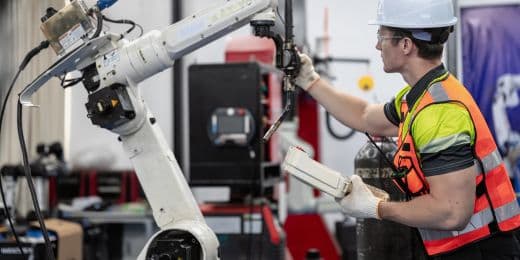
A close look at what maintenance automation is, its importance, and the key tech and processes involved in it.
Published 27 Apr 2026
Article by
4 min read
Maintenance automation is the use of software, sensors, and connected systems to automatically plan and execute maintenance tasks with little to minimal manual effort. It helps organizations shift from reactive maintenance to preventive and predictive maintenance by using data and predefined rules. That way, equipment uptime improves, maintenance costs decrease, and safety and compliance are easier to manage.
Maintenance automation is important because it reduces unplanned downtime by ensuring maintenance tasks are performed at the right time, based on real equipment conditions rather than guesswork. Automated scheduling, alerts, and work order management help maintenance teams respond faster and stay organized. This leads to more reliable operations, longer asset lifespans, and improved productivity across facilities. Here’s a closer look at the main benefits of maintenance automation:
Maintenance automation helps identify potential equipment issues early through automated inspections, alerts, and condition monitoring. This allows teams to address problems before they cause unexpected breakdowns or production stoppages. As a result, assets remain available longer and operations run more smoothly.
Automated maintenance planning reduces unnecessary work by scheduling tasks only when needed, which optimizes labor hours and technician workloads. Better tracking of spare parts prevents overstocking and emergency purchases at higher costs. Energy use is also improved by keeping equipment operating at peak efficiency through timely maintenance.
Maintenance automation ensures inspections, servicing, and safety checks are completed on schedule and properly documented. Digital records make it easier to meet regulatory requirements and demonstrate compliance during audits. Consistent maintenance also improves equipment performance, leading to higher product quality and safer working conditions.
Many operational areas will benefit from automated maintenance, but some processes must be prioritized when bringing automation to the maintenance process. While the best processes to prioritize can vary by industry, equipment, and personnel, below are some processes that most organizations should prioritize for automation first.
Automating work orders and scheduling ensures maintenance tasks are created, prioritized, and assigned without manual delays. Mobile execution allows technicians to receive updates, complete tasks, and record results in real time from the field. This improves response times, coordination, and overall maintenance efficiency.
Digital inspections and automated checklists standardize preventive maintenance tasks and reduce missed steps or human error. Condition monitoring uses sensor data to detect early signs of wear, overheating, or failure. Together, these tools support predictive insights, extend asset life, and improve maintenance decision-making.
Automating inventory tracking provides real-time visibility into spare parts availability and usage. Procurement triggers automatic reorders when stock reaches predefined thresholds, preventing shortages and excess inventory. This reduces downtime caused by missing parts while controlling storage and purchasing costs.
Maintenance automation relies on connected systems that collect, analyze, and act on asset data in real time. By combining maintenance software, industrial data sources, and automated workflows, organizations can move from reactive repairs to preventive and predictive maintenance. Here are some of the key technologies and processes involved in maintenance automation:
A Computerized Maintenance Management System (CMMS) serves as the central system for managing assets, work orders, and maintenance history. Edge gateways collect and preprocess data from equipment before sending it to centralized data lakes for storage and analysis. Together, they enable scalable data management and faster maintenance insights, improving automation processes.
Internet of Things (IoT) sensors continuously track equipment conditions such as vibration, temperature, pressure, and energy use. The data collected from these in real-time helps detect early warning signs of failure and supports condition-based maintenance strategies. Sensor-driven insights improve uptime and reduce unnecessary maintenance activities.
Seamless integration connects maintenance systems with existing control and business platforms without interrupting operations. For example, data from Supervisory Control and Data Acquisition (SCADA) and Programmable Logic Controller (PLC) systems provides real-time equipment status, while Manufacturing Execution Systems (MES) and Enterprise Resource Planning (ERP) integration aligns maintenance with production and financial planning. Having integrations creates a unified view of asset performance and operational impact.
Automation platforms coordinate maintenance workflows across systems, teams, and applications. They trigger actions such as work order creation, notifications, approvals, and parts reordering based on predefined rules or sensor data. This reduces manual effort, speeds response times, and ensures consistent execution.
SafetyCulture is a mobile-first operations platform adopted across industries such as manufacturing, mining, construction, retail, and hospitality. It’s designed to equip leaders and working teams with the knowledge and tools to do their best work—to the safest and highest standard.
Streamline processes, eliminate bottlenecks, enhance resource utilization, and build an agile and scalable infrastructure with SafetyCulture. Strive for operational excellence to boost competitive advantage, foster sustainable growth, and deliver long-term value.
✓ Save time and reduce costs
✓ Stay on top of risks and incidents
✓ Boost productivity and efficiency
✓ Enhance communication and collaboration
✓ Discover improvement opportunities
✓ Make data-driven business decisions