Essential Guide to Prerequisite Programs for Food Safety Management
Understand the role of prerequisite programs in supporting global food safety standards.
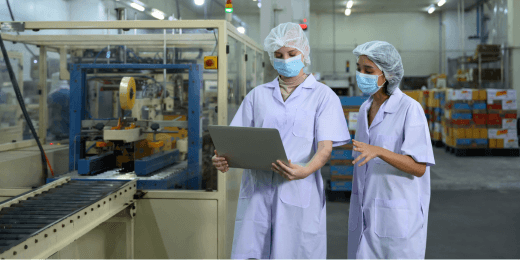
Understand the role of prerequisite programs in supporting global food safety standards.
Published 12 Dec 2025
Article by
5 min read
Prerequisite Programs (PRPs) are the essential practices every food business must follow before implementing more advanced controls. As the foundation for safe food, this establishes Good Manufacturing Practices (GMP), Standard Operating Procedures (SOPs) for cleaning, and supplier quality assurance, to name a few. On top of reducing the risk for contamination, implementing PRPs ensures alignment with global food safety standards.
Food businesses have practiced basic cleanliness for generations, but the modern global food supply demands a more structured approach. A prerequisite program formalizes traditional food hygiene practices into a robust food safety management system and is indispensable to the following:
Prevent contamination: Basic PRPs control dirt, microbes, allergens, and pests, reducing the risk of product contamination that may cause food-borne illnesses.
Reduce operational risks: Key operational controls address equipment breakdowns and poor facility layout, preventing related hazards and minimizing downtimes.
Support consistent hygiene: Standardizing sanitation, personal hygiene, and equipment cleaning solves variabilities that are often the source of nonconformances and baseline contamination risks.
Ensure regulatory compliance: Noncompliance with GMP, Hazard Analysis Critical Control Point (HACCP), and local food safety laws could lead to legal penalties and plant shutdowns. Following the fundamentals helps companies prevent those issues.
Improve product quality: PRPs mitigate diverse food safety hazards in manufacturing, ranging from foreign materials to operational nonconformances. It ensures the public receives consistently high-quality and safe products.
PRPs form the essential foundation of any HACCP plan. Without these, critical control points become unstable, reactive, and prone to failure. To understand what are prerequisite procedures in food hygiene, here are the key components, including specific programs that organizations can implement:
Systematic procedures to clean and sanitize equipment, surfaces, and facilities prevent microbial growth, cross-contamination, and buildup of residues that compromise food safety. Here are some programs that should be implemented:
Cleaning and disinfection schedules
Environmental monitoring, such as swabbing for pathogens or allergens
Pests carry pathogens that introduce hazards outside HACCP. They damage packaging and compromise food integrity. The following measures prevent, monitor, and eliminate pests in and around the facility:
Routine inspections and trap monitoring
Facility perimeter control and exclusion measures
Employees are major vectors of microbial contamination. Strong personal hygiene prevents direct and indirect contamination. These rules and practices can help improve behavior when it comes to cleanliness:
Personal Protective Equipment (PPE) and uniform requirements
Employee health and exclusion policies
Poor waste control attracts pests, promotes microbial growth, and creates cross-contamination risks that undermine HACCP. Implementing these systems for handling, storing, and disposing of non-organic waste matters:
Segregated waste collection and disposal
Scheduled removal of production waste
Cleaning and sanitizing of waste bins and areas
Damaged or poorly maintained equipment can harbor bacteria, generate foreign objects, and cause product deviations during processing. Basic maintenance protocols prevent those problems:
Preventive maintenance schedules
Calibration of measuring instruments
Equipment breakdown reporting and repair procedures
Contaminated or non-compliant ingredients from suppliers introduce hazards even before internal controls begin. Implement these systems to evaluate, approve, and monitor suppliers:
Supplier approval and risk assessments
Certificates of Analysis (COAs) and incoming material inspections
Supplier audits and performance monitoring
Structural defects in facilities (e.g., poor drainage, improper lighting, damaged work surfaces) create contamination risks and interfere with HACCP processes. These specific programs prevent the problems that may arise:
Structural repairs and upkeep
Hygienic zoning and flow control
Ventilation, lighting, and drainage maintenance
Creating a PRP is the essential first step in building a robust Food Safety Management System (FSMS). It meticulously controls baseline hazards within the facility, people, and processes, guaranteeing that advanced controls can function effectively and consistently.
1. Conduct a hazard and risk assessment: The first step in the HACCP prerequisite program is to identify contamination sources linked to facilities, equipment, people, and processes to understand which risks PRPs must prevent or control. This step ensures PRPs target real hazards on the ground.
2. Define clear procedures and responsibilities: Create written procedures, assign roles, and outline expected hygiene behaviors and tasks. Providing clarity prevents inconsistent practices, reduces errors, and improves compliance. Systematically address all necessary elements, from facility maintenance to personnel practices, to transform the program into defined and measurable working procedures.
3. Provide staff training and awareness: Workers influence most food safety outcomes. Build a competent workforce capable of executing PRPs correctly through comprehensive training on hygiene, cleaning, pest control, and operational procedures.
4. Implement monitoring and verification activities: Track PRP performance through checks, inspections, swabbing, and documentation. Monitoring ensures programs work as intended, enhances early detection of failures, and strengthens audit readiness.
5. Establish corrective action protocols: Immediate action prevents hazards from escalating. Define steps for responding when PRPs fail, such as re-cleaning, retraining, or equipment repair, to reduce contamination risks and protect product integrity.
6. Review and update programs regularly: Evaluation is vital because facilities, equipment, and regulations evolve. Ensure PRPs remain effective, current, and aligned with HACCP needs through audits, trend reviews, and continuous improvement.
7. Integrate management commitment and resources: Failures can happen without organizational support. Leadership can create a strong food safety culture and ensure long-term program success when it provides budget, staffing, tools, and enforcement.
Sodexo, a global leader in food and facilities management, leveraged a digital platform to transform manual, inconsistent processes to standardized and auditable systems. This move directly strengthened their foundational food safety controls - the basis of any effective Prerequisite Program.
SafetyCulture is a mobile-first operations platform adopted across industries such as manufacturing, mining, construction, retail, and hospitality. It’s designed to equip leaders and working teams with the knowledge and tools to do their best work—to the safest and highest standard.
Streamline the implementation of prerequisite programs by providing customizable digital checklists for daily hygiene tasks, pest control logs, and supplier verification. Document, store, and analyze PRP procedures, schedules, and inspection findings in a centralized location to ensure consistent practices and quickly identify gaps across multiple sites. Ensure compliance at every stage of the food production process, preventing contamination and ensuring quality and consumer safety through a unified platform.
✓ Save time and reduce costs
✓ Stay on top of risks and incidents
✓ Boost productivity and efficiency
✓ Enhance communication and collaboration
✓ Discover improvement opportunities
✓ Make data-driven business decisions