Utility Management Strategies for Cost Savings and Sustainability
Discover how effective utility management can reduce costs, ensure compliance, and support sustainability goals in your organization.
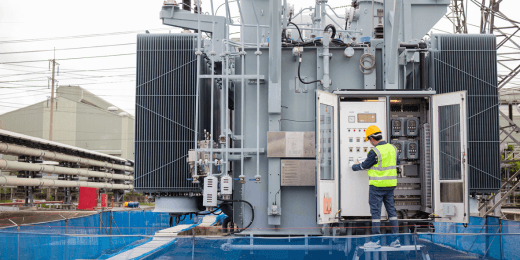
Discover how effective utility management can reduce costs, ensure compliance, and support sustainability goals in your organization.
Published 24 Oct 2025
Article by
7 min read
Utility management refers to the systematic planning, monitoring, and optimization of essential services, such as electricity, water, gas, and waste streams within an organization or facility. It involves deploying metering systems, energy management protocols, continuous usage optimization, and consumption reduction to meet safety, efficiency, financial, and sustainability requirements across industrial, commercial, and municipal settings.
Electricity, water, gas, and waste services represent a significant portion of operating expenses for many organizations. When these aren’t managed efficiently, companies can face unnecessary costs, energy waste, equipment inefficiencies, and even compliance issues. Here's why utility management concepts must be shared at every level of the organization:
Increased cost savings - Continuous utilities monitoring prevents overuse and helps identify leaks or inefficiencies, bringing this operational expense down.
Improved operational efficiency - Well-managed energy and water systems reduce shortages that often lead to downtimes. Minimizing sudden interruptions means better productivity.
Enhanced property and business value - Properties equipped with efficient utility systems signal modern infrastructure and lower operating costs and are more attractive to tenants, investors, and buyers.
Guaranteed regulatory compliance - Non-compliance with strict legal and industry standards for energy efficiency, emissions, and waste disposal can result in fines, legal penalties, and lasting reputational harm.
Reduced environmental impact - Green initiatives are no longer optional today, but a core strategic imperative driven mainly by stakeholder demands. This also improves the company's resource security and resilience, especially with the volatility in energy markets and risks associated with climate change.
In today's competitive business landscape, implementing a robust utility management system is no longer just about cutting costs. It’s a fundamental strategy for achieving operational excellence and building long-term corporate resilience. Focus on these core areas to maximize the benefits:
All essential services should function efficiently and without interruption. In-house utility managers should ensure system stability, continuous supply, and optimized performance to prevent downtimes, production delays, and potential safety hazards. These are the most crucial activities to ensure this:
Energy management - Often the largest utility expense, energy usage (e.g., electricity and natural gas) should be monitored and controlled through audits and automation, such as the use of advanced metering infrastructure (AMI) and smart meters.
Water management - Fresh water is a critical resource in every industry, used for cooling, cleaning, and sanitation. With the imminent global water crisis, tracking consumption, fixing leaks, and using water-efficient technologies is a must.
Waste management - Proper waste collection, segregation, treatment, and disposal is an economically viable investment to minimize pollution risks and ensure regulatory compliance. This can also be a source of revenue through recycling.
HVAC optimization -Heating, Ventilation, and Air Conditioning (HVAC) accounts for 40% of a building's total energy use. Automating climate control tools upholds comfort, which is closely tied to employee productivity.
Continuous monitoring and controlling utility-related expenditures is the foundation of smart cost control, immediately boosting profits by cutting out waste. Aside from saving money, careful utility bill management helps in reliable predictions of future costs, making it easier to fund long-term sustainability projects.
Ensuring all utility-related assets (e.g., pipes, meters, transformers, HVAC units) are properly maintained and upgraded minimizes downtimes, extends equipment life, and keeps systems compliant with standards. This is especially crucial for industries that provide services, such as transport hubs, healthcare facilities, and residential buildings.
Operations should adhere to local, national, and international standards, including environmental, safety, and quality regulations. Aside from avoiding legal risks and reputational harm, demonstrating commitment in this aspect builds trust among stakeholders.
Responsible energy, waste, and water utility management lowers carbon footprints, supports corporate sustainability goals, and ensures long-term resource availability for the world. Consider the following programs, starting with the simple and cost-effective measures:
Transition to renewable or low-carbon energy sources to help reach net-zero goals by 2025.
Reuse wastewater to promote circular waste management.
Encourage green practices through organization-wide awareness programs.
Balancing economic growth with environmental protection is driving strict changes in utility management. More than just “suggesting” cleaner practices, countries now mandate rigorous accountability measures to ensure systems are resilient and sustainable.
Country | Consequential Law(s) | Enforcing Agency |
US | Clean Air Act (CAA) Resource Conservation and Recovery Act (RCRA) Energy Policy Act (EPAct) | Environmental Protection Agency (EPA) Department of Energy (DoE) |
UK | Environmental Protection Act 1990 Water Industry Act 1991 Climate Change Act 2008 Gas Act 1985 Electricity Act 1989 Utilities Act 2000 | Environment Agency (EA) Office of Gas and Electricity Markets (Ofgem) |
Australia | National Greenhouse and Energy Reporting (NGER) Act 2007 Waste Avoidance and Resource Recovery Act 2001 Waste Act 2007 | Department of Climate Change, Energy, the Environment, and Water Territory and State governments |
EU | EU Water Framework Directive (2000/60/EC) Waste Framework Directive (2008/98/EC) European Green Deal (2019) Energy Efficiency Directive (2012/27/EU) | European Environment Agency (EEA) European Commission Directorate-General for Energy |
Canada | Canadian Environmental Protection Act (CEPA) Energy Efficiency Act | Environment and Climate Change Canada (ECCC) Natural Resources Canada (NRCan) |
The rising cost of electricity, water, and waste disposal is often the most visible problem companies face. But there are more difficult issues that go far beyond the monthly bill. Recognizing these interconnected and often systemic challenges allows organizations to handle them proactively:
Data gaps - The lack of data on consumption due to inaccurate metering hinders companies from pinpointing the source of inefficiencies and waste.
Regulatory complexity - Local, national, and international laws often conflict, making it hard for compliance managers to navigate permitting and reporting requirements.
Aging infrastructure - Decades-old pipelines, transformers, and meters are inherently inefficient and prone to failure, leading to unplanned downtimes.
Behavioral challenges - Operational culture regarding consumption (e.g., leaving lights on, improper recycling, mismanaging thermostats) may be difficult to modify.
Sustainability trade-offs - Without a unified utility asset management strategy, the company may prioritize finances over a more environmentally sound one. For instance, cheaper cooling systems could increase overall water consumption, creating a long-term resource risk.
A unified and strategic utility management solution allows organizations to take full control of their essential resources, promoting operational reliability, sustainability, and long-term cost savings. Here’s a step-by-step guide to help implement this:
Evaluate all utility systems to establish a performance baseline - Detailed audits of energy consumption, water usage, waste generation, and equipment deficiency are the foundation for effective decision-making and prioritization. These audits must examine operational processes and system capacities to identify inefficiencies, hidden costs, and potential compliance issues.
Define measurable goals that align with organizational and sustainability priorities - Specific achievable targets for reducing utility costs, lowering emissions, improving water efficiency, or minimizing waste should be used as the basis for tracking progress and guiding performance improvements.
Use data-driven systems to track utility performance continuously - Smart meters, Internet of Things (IoT) sensors, and utility data management software collect real-time data necessary to compare actual performance with established Key Performance Indicators (KPIs). With accurate information, managers can detect anomalies, consumption spikes, or compliance deviations.
Build awareness and accountability across all levels of the organization - Every worker at all organizational levels should know how to implement utility management practices. Provide training on conservation techniques, equipment operation, and safety protocols to foster a culture of responsibility and continuous improvement.
Identify potential disruptions and prepare mitigation strategies - Assess risks (e.g., supply interruptions, equipment failures, and non-compliance) to develop contingency plans that include backup power systems, emergency response protocols, and supplier diversification.
Modernize systems to enhance efficiency and reduce long-term costs - Replace outdated or inefficient equipment with energy-efficient models. Upgrading facilities, fittings, and machines supports operational reliability and compliance with evolving efficiency standards.
Reassess performance and adjust goals to meet emerging needs and standards - Periodic strategic reviews are essential to ensure the utility management plan remains agile and aligned with evolving business objectives, new technologies, and regulatory changes. Rigorous data analysis and stakeholder feedback are key to verifying that all efforts are effective and future-ready.
SafetyCulture is a mobile-first operations platform adopted across industries, such as manufacturing, mining, construction, retail, and hospitality. It’s designed to equip leaders and teams with the tools to do their best work– to the safest and highest standard.
Enhance visibility and control across sites by monitoring utility consumption in real-time and implementing corrective actions if discrepancies are observed. Perform standardized inspections and audits and create comprehensive and well-analyzed reports to effectively forecast energy demand, improve compliance, and support continuous improvements. Empower teams to optimize utility usage efficiently and sustainably with the help of a unified platform.
Save time and reduce costs
Stay on top of risks and incidents
Boost productivity and efficiency
Enhance communication and collaboration
Discover improvement opportunities
Make data-driven business decisions