A Comprehensive Guide to SWPPP Training
Know and understand SWPPP training, the key topics it covers, and who should take it.
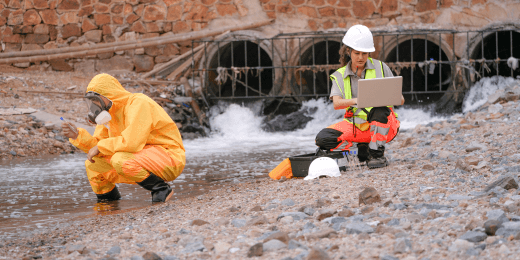
Know and understand SWPPP training, the key topics it covers, and who should take it.
Published 5 May 2026
Article by
4 min read
Stormwater Pollution Prevention Plan (SWPPP) training helps employees prevent trash, grease, and pollutants from being carried by stormwater runoff at construction and industrial sites. Through this training, they’ll be able to gain knowledge on stormwater regulations, how to create a SWPPP, and best management practices for stormwater collection. It’s essential for employees who work in facilities that may affect stormwater quality.
SWPPP focuses on preventing stormwater runoff from polluting bodies of water, such as rivers, lakes, and oceans, which can result in eroded soil. It’s also a legal requirement enforced to reduce water pollution in the United States. Through SWPPP training, workers and organizations will be able to:
Adhere to environmental and regulatory compliance: It helps teams observe the regulations enforced by several environmental and regulatory bodies, such as the Clean Water Act (CWA) of 1988 of the US Environmental Protection Agency (EPA). Under CWA, there are stormwater programs, such as the National Pollutant Discharge Elimination System (NPDES), which focus on controlling stormwater discharges that carry pollutants from entering bodies of water.
Avoid fines and fees: Failure to comply with environmental and regulatory requirements can result in fines and penalties. In more serious cases, the company may face a stop-work order that halts operations.
Eliminate pollutants: Through training, workers will be able to reduce illicit stormwater pollutants that contaminate water bodies. Illicit stormwater pollutants include chemicals, oil, grease, animal waste, garbage, dirt, and vehicle fluid.
Manage soil erosion: SWPPP training helps workers avoid soil sediments from running off, which causes soil erosion. Keeping the soil intact avoids possible mudslides or landslides, maintains the foundation of infrastructures, and assures road accessibility.
Protect biodiversity: Organizations can protect the natural habitats of animals by preventing pollutants from entering bodies of water or minimizing erosion. With this, humans and animals have safer and healthier environments.
SWPPP training for employees is necessary for those who work in facilities, whether construction or industrial, that have potential for stormwater contamination. The training is beneficial for workers such as:
Plan preparers: They’re usually an internal employee who has expertise in principles and applications of stormwater controls and pollution prevention. These activities require extensive capability in assessing the conditions of facilities in relation to stormwater impact. SWPPP training guides them to develop a SWPPP that meets industry standards and incorporates best practices.
Inspectors: They’re responsible for conducting inspections and checking the SWPPP records. They also make sure that the organization is complying with federal and state regulations. The course enables them to identify, record, and report compliance issues of their organization.
Maintenance personnel: They’re accountable for checking stormwater discharge compliance and the state of facilities, including waterproofing or utility installation on the property or infrastructure. The course helps them identify unsafe processes and activities in worksites and provides them with best practices relevant to the execution of SWPPP.
Members of pollution prevention teams: They’re in charge of implementing, maintaining, or revising the SWPPP, wherein they provide assessments and evaluations to stormwater permits. The training teaches them the
SWPPP training is developed to aid workers in applying best management practices when it comes to stormwater collection. It aims to ensure proficiency in pollution prevention, control measures, and compliance with relevant SWPPP regulations and processes. This training also complements the usual Environmental Compliance Training Programs.
SWPPP training requirements include these core topics:
Stormwater pollution brief: This introduces the sources and impacts of polluted stormwater. This also involves methods to prevent pollutants, trash, and sediments from being carried out by stormwater.
SWPPP overview: This focuses on discussing the purpose, processes, requirements, and best practices for SWPP. Through an SWPPP Inspection Form, you can check if your organization is carrying out SWPPP and verify if best practices are accomplished in your worksite.
Environmental and legal compliance responsibilities: This focuses on the commitment to comply with the legal and environmental requirements, particularly enforced by the Clean Water Act’s NPDES programs. This also includes discussions on the differences among state or local requirements for acquiring permits.
Best management practices: This includes the best practices in blocking polluted stormwater. This includes activities such as spill prevention, waste management, building and ground maintenance, equipment repair, and handling of materials. One of the best practices is general housekeeping practices, where the facility is considered clean and organized from trash and spills.
SafetyCulture is a mobile-first operations platform adopted across industries such as manufacturing, mining, construction, retail, and hospitality. It’s designed to equip leaders and working teams with the knowledge and tools to do their best work—to the safest and highest standard.
Efficiently manage and streamline health and safety processes across the organization, including incident management, safety audits and inspections, risk assessment, waste management, and more, using a comprehensive EHS software solution.
✓ Save time and reduce costs
✓ Stay on top of risks and incidents
✓ Boost productivity and efficiency
✓ Enhance communication and collaboration
✓ Discover improvement opportunities
✓ Make data-driven business decisions