Developing a Storm Water Pollution Prevention Plan (SWPPP)
Learn what an SWPPP is and its core purpose, components, and step-by-step development process.
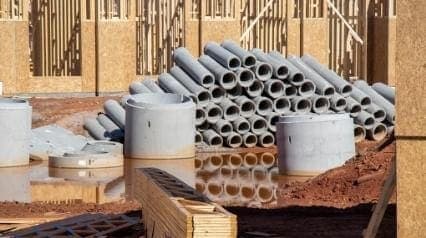
Learn what an SWPPP is and its core purpose, components, and step-by-step development process.
Published 28 Apr 2026
Article by
4 min read
A Storm Water Pollution Prevention Plan (SWPPP) is a document required by the Environmental Protection Agency (EPA) that regulates construction sites and outlines how the site will manage stormwater runoff.
An SWPPP must be developed for any construction site that:
disturbs at least one acre of land; or
is part of a larger common plan of development or sale involving multiple contiguous (i.e., sharing a common border) sites with a total disturbed area of at least one acre.
The main goal of an SWPPP is to reduce the number of pollutants carried by stormwater runoff into local waterways and sewage treatment plants. This is essential because stormwater runoff is one of the leading sources of water pollution in the United States.
An SWPPP outlines how a business or organization can protect water resources from pollution by implementing specific Best Management Practices (BMPs). Implementing an SWPPP is critical for several key reasons:
Regulatory compliance: SWPPPs help businesses meet federal, state, and local stormwater regulations, reducing the risk of costly fines and penalties.
Pollution prevention: SWPPPs reduce the discharge of harmful pollutants in stormwater runoff that can damage aquatic ecosystems and contaminate drinking water sources.
Erosion control: By controlling sediment runoff, SWPPPs help prevent soil erosion and the degradation of local waterways caused by increased turbidity.
Infrastructure protection: SWPPPs reduce the burden on stormwater systems, preventing damage to municipal pipes, culverts, and reducing flood risk.
Community and wildlife health: Protecting water quality through SWPPP measures preserves biodiversity and promotes safer environments for humans and wildlife alike.
An effective SWPPP is built on essential components designed to identify pollution sources and outline measures to control them. Understanding these elements is crucial for developing a compliant and actionable plan.
Site map and description: This component includes a detailed map of the worksite and a description of each area on the map. It also provides information on any relevant features such as bodies of water, wetlands, and floodplains.
Pollution prevention procedures: These procedures outline how the worksite will prevent or minimize pollution. They may include specific instructions on how to deal with spills, manage waste, and maintain drainage systems.
Sampling and analysis plan: This component outlines how samples will be taken and analyzed to determine whether or not the worksite is complying with environmental regulations.
Recordkeeping procedures: These procedures specify how records of all activities related to the SWPPP will be kept. They may include records of SWPPP inspections, sampling results, and pollution prevention procedures.
To ensure proper documentation, you can use a digital, customizable SWPPP inspection form or checklist, or create your own.
Developing an SWPPP involves a systematic approach to effectively manage stormwater runoff and protect water quality. According to the US EPA, here are the steps to follow:
Site assessment and planning: Describe the site planning process, including how the site was selected, the purpose of the SWPPP, and the steps taken to minimize potential impacts.
Selecting erosion and sediment control BMPs: Selecting the most appropriate erosion and sediment control measures for a project is critical to preventing or minimizing pollution. BMPs that are effective on one site may not be appropriate for another site.
Selecting good housekeeping BMPs: Incorporating good housekeeping practices into a project can reduce the amount of sediment leaving a site.
Inspections, maintenance, and recordkeeping: Ensure that all workers involved in the project understand the erosion and sediment control plan and are properly trained on how to use the BMPs. Constant SWPPP inspection and maintenance are needed to keep sediment from leaving the job site.
SafetyCulture is a mobile-first operations platform adopted across industries such as manufacturing, mining, construction, retail, and hospitality. It’s designed to equip leaders and working teams with the knowledge and tools to do their best work—to the safest and highest standard.
Track inspections, maintain BMPs, monitor stormwater control measures, and enhance compliance reporting. Centralize all SWPPP documentation and access up-to-date site maps, inspection logs, and corrective action histories from any device. Ensure regulatory compliance, reduce environmental risks, and improve overall stormwater management efficiency using a unified platform.
✓ Save time and reduce costs ✓ Stay on top of risks and incidents ✓ Boost productivity and efficiency ✓ Enhance communication and collaboration ✓ Discover improvement opportunities ✓ Make data-driven business decisions