Why Job Safety and Environmental Analysis Matters
Discover how to improve workplace safety and reduce environmental risks with a step-by-step guide and best practices for Job Safety and Environmental Analysis (JSEA).
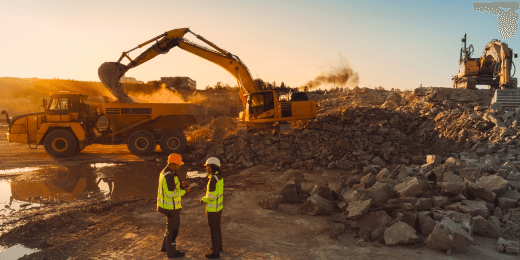
Discover how to improve workplace safety and reduce environmental risks with a step-by-step guide and best practices for Job Safety and Environmental Analysis (JSEA).
Published 28 Apr 2026
Article by
5 min read
Job Safety and Environmental Analysis (JSEA) is a systematic process to identify potential occupational hazards and environmental impacts associated with specific tasks or activities. It involves breaking down a job into individual steps, analyzing each for risks, and implementing possible controls to eliminate or reduce harm to workers and their environment.
This is a more targeted form of risk assessment methodology, as it has environmental considerations, such as the potential for pollution, waste, or other forms of ecological disturbance. JSEA is a proactive process, conducted before the task begins, especially when the work presents significant risks.
JSEA emerged as a natural progression from Job Safety Analysis (JSA) and Job Hazard Analysis (JHA) as environmental awareness and regulations increased. By seeking a more holistic approach to risk assessment, organizations can gain the following:
Reduced workplace incidents - Because JSEA breaks down jobs into individual tasks, safety personnel can better identify hazards and recommend controls to minimize the likelihood of injuries and accidents.
Layered environmental protection - By incorporating environmental risk evaluation with safety hazards, companies can control and mitigate potential problems, such as chemical spills, air emissions, or waste discharge.
Improved operational efficiency - Workflows are effectively streamlined with this process, reducing unexpected interruptions caused by incidents or non-compliance. It also clears up task sequences, improving team coordination.
Increased cost savings - On top of supporting resource management, meticulous job hazard and environmental risk assessment reduces costs associated with injuries, ecological damage, and operational disruptions.
Enhanced regulatory alignment - The structured approach and concise documentation required in this process guarantee job safety and environmental compliance per regulations.
Proactively assess, identify, and track potential hazards before they become issues to reduce workplace incidents and injuries.
A methodical, structured approach is crucial while conducting workplace job safety and environmental analysis. Each step in the process plays a critical role in ensuring compliance and, more importantly, a safer, more efficient, and environmentally responsible workplace.
The first step involves outlining the task to be analyzed, identifying the location, equipment used, materials involved, and potential interaction with environmental elements. The results may be vague and miss critical aspects without a clear definition.
Break the job into logical, sequential steps that workers take. This enables targeted hazard and environmental risk identification for each phase. Aside from creating workflow diagrams, ask frontline workers what they experience on the ground, reflecting real-world execution.
This is the heart of JSEA. It involves evaluating each step in the task to determine current hazards and potential risks that harm workers or the environment. Here are some best practices that can ensure precise data collection:
Directly observe every step on the ground.
Gather worker input for accurate hazard recognition.
Utilize digital checklists that allow photo and video documentation.
Build from scratch or choose from our collection of free, ready-to-download, and customizable templates.
Analyze how severe the harm or damage could be and how likely it is to occur. This phase is imperative in refocusing resources and ensuring that Environment, Health, and Safety (EHS) professionals can apply the recommended controls. These tools can help streamline this particular task:
Risk matrix or risk rating tools (e.g., 5x5 and color-coded)
Environmental impact scoring tools
SWIFT (Structured What-If Technique) or HAZOP (Hazard and Operability Study) analysis for complex tasks
Reduce risks to acceptable levels by developing strategies using the hierarchy of controls (i.e., Elimination, Substitution, Engineering, Administrative, and Personal Protective Equipment (PPE)). Include the most appropriate environmental protections, such as spill kits, secondary contaminants, or filtration systems.
The best plans could still fail without accountability and team awareness. Aside from assigning each safety and environmental control to specific personnel, ensure all team members understand the process through toolbox talks or pre-job briefs.
The JSEA should stay relevant, reflecting actual conditions on the work floor or in the field. This is possible only if it gets monitored and reviewed periodically. An update is necessary in the following cases:
Changes in job scope
With new or emerging hazards
After an incident or near-miss
Analyzing job safety hazards and environmental impacts is more complex than standard risk assessment methodologies, mainly because of its dual focus. On top of that, there are numerous obstacles to its proper implementation. Learn about these challenges and how to manage them:
Information overload and complexity - Gathering and analyzing large volumes of information from multiple sources can lead to confusion and inconsistencies. Streamlining data collection and documentation with the help of software solutions can solve this issue.
Cultural resistance and lack of engagement - New processes are often ignored or opposed because they are perceived as added workload or disruptions to established routines. Aside from information dissemination and ongoing training, opening feedback loops helps draw people into safety innovations and initiatives.
Resource constraints - Lack of trained personnel, time, or materials can hamper the thorough and timely completion of JSEA. On top of prioritization, small to mid-sized organizations can hire external consultants for a few tasks and cross-train staff for subsequent projects.
SafetyCulture is a mobile-first operations platform adopted across industries, such as manufacturing, mining, construction, retail, and hospitality. It’s designed to equip leaders and working teams with the knowledge and tools to do their best work—to the safest and highest standard.
Streamline the complex JSEA process and ensure uniformity of documentation by utilizing digital templates that can be uploaded, stored, and shared in a centralized data hub. Improve accountability among teams and overall compliance by tracking the responsibilities related to development and implementation. Enhance hazard identification and control in occupational and environmental safety to meet the organization’s broader objectives through a unified platform.
Save time and reduce costs
Stay on top of risks and incidents
Boost productivity and efficiency
Enhance communication and collaboration
Discover improvement opportunities
Make data-driven business decisions