A Guide to Fire Extinguisher Inspection Tags
Learn about the purpose of fire extinguisher inspection tags and how to properly create and read them according to extinguisher maintenance standards.
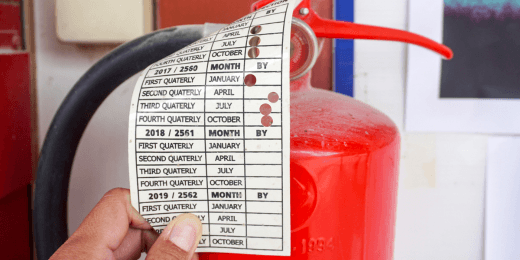
Learn about the purpose of fire extinguisher inspection tags and how to properly create and read them according to extinguisher maintenance standards.
Published 28 Apr 2026
Article by
4 min read
Fire extinguisher inspection tags are labels attached to fire extinguishers that document essential information about their maintenance and inspection history. These tags serve as a critical record-keeping tool to ensure that fire extinguishers are regularly checked and remain in proper working condition.
Fire extinguisher inspection tags are critical because they serve as the official record proving that fire extinguishers have been regularly inspected, maintained, and are ready for emergency use. According to some reports, approximately 25% of portable fire extinguishers are misplaced or not properly maintained, which could delay immediate responses to address a fire.
As such, regular maintenance and proper fire extinguisher tagging of fire extinguishers are required to ensure compliance with fire safety regulations and standards. This practice helps businesses avoid penalties and legal liabilities. By keeping maintenance information visible and up to date, inspection tags enhance safety by ensuring extinguishers function correctly when needed.
There is no standard way to create a fire extinguisher inspection tag, but it should have essential information such as:
Equipment Identification: This includes details such as the extinguisher’s serial number, type, size, and location. It ensures each extinguisher can be uniquely identified and tracked during inspections and maintenance.
Inspection Date: Shows the most recent inspection date and sometimes previous ones. Regular inspections—often monthly or annually—are required to verify that the extinguisher remains in proper working condition.
Inspector’s Name or Initials: The person conducting the inspection signs or initials the tag. This provides accountability and allows for follow-up if questions arise about the inspection.
Inspection Checklist: A list of key points to verify, such as pressure gauge reading, hose condition, safety pin presence, and accessibility. The inspector confirms each item to ensure the extinguisher meets safety standards.
Maintenance Record: Notes any maintenance work done, such as refilling, recharging, or part replacement. It can also be used to indicate whether a fire extinguisher was tested during the inspection to check its functionality. This history helps ensure that all servicing is properly documented and traceable.
Next Due Date: Indicates when the next inspection or servicing is required. This helps facilities managers schedule timely follow-ups and remain compliant with fire safety regulations.
Agency or Company Information: Includes the name and contact details of the fire protection service provider or responsible company. This ensures there’s a clear point of contact for maintenance, emergencies, or regulatory inquiries.
It is important to monitor this information properly to ensure compliance with safety regulations and fire extinguisher inspections. Organizations can take advantage of digital inspection checklists to streamline the process and create a digital record to document findings and observations.
In addition to having the key components to make it easier to identify whether a fire extinguisher inspection tag is properly filled out and installed, it is important to know how to read one. Here are some things to take note of:
Locate the tag – Usually attached to the extinguisher’s handle or neck. It contains key information about inspections, maintenance, and service history.
Check the equipment details – Look for the extinguisher type (e.g., ABC, CO₂), size, and serial number to confirm it matches your fire safety plan.
Find the last inspection date – This shows when the extinguisher was last checked. Ensure the inspection is recent (typically within the last month or year, depending on regulations).
Review the inspection checklist marks – Inspectors often tick or punch boxes to show what was verified (pressure, pin, hose, weight, etc.). All required checks should be marked as satisfactory and should include the inspector’s details for verification.
Look at the maintenance record – Notes if the extinguisher was recharged, repaired, or replaced. Ensure no overdue maintenance is indicated and check for the next maintenance due date to avoid missing it.
In line with this, it is recommended to properly train employees for fire prevention and safety procedures, which includes teaching them how to read these tags. Not only does it ensure that they know what to do in case of a fire emergency, but it also helps them be more aware of the safety equipment within their working environment.
SafetyCulture is a mobile-first operations platform adopted across industries such as manufacturing, mining, construction, retail, and hospitality. It’s designed to equip leaders and working teams with the knowledge and tools to do their best work—to the safest and highest standard. Efficiently manage and streamline health and safety processes across the organization, including incident management, safety audits and inspections, risk assessment, waste management, and more, using a comprehensive EHS software solution.
Save time and reduce costs
Stay on top of risks and incidents
Boost productivity and efficiency
Enhance communication and collaboration
Discover improvement opportunities
Make data-driven business decisions