Temporary Works Essentials for Construction Site Safety
Learn what temporary works are, the common types, design requirements, safety controls, and best practices for safe installation and removal.
Learn what temporary works are, the common types, design requirements, safety controls, and best practices for safe installation and removal.
Published 28 Apr 2026
Article by
7 min read
Temporary works are engineered, non-permanent structures used to facilitate construction, provide access, or maintain the stability of the permanent works during the build. Although critical for safety and execution, they don’t form part of the final building and are removed once the permanent structure is self-supporting.
While temporary works in construction have been essential since the Middle Ages, the discipline only gained formal recognition in the 1970s following a series of catastrophic falsework collapses in the UK. Since then, ancillary structures have been recognized as a critical safety component in construction that requires the same level of design and management as permanent ones.
Here are some specifics:
Provides structural support: Concrete should be stabilized with appropriate falsework and formwork during the curing period. Neglect or carelessness can lead to the collapse of temporary wet concrete molds, such as the Verulam temple tragedy.
Allows worker access: Scaffolding, hoists, and platforms enable construction teams to navigate the site and do the tasks safely. When these aren’t properly installed, accidents will occur.
Increases project efficiency: Temporary works allow access to elevated or confined areas, keeping schedules on track across sites. They also help minimize rework and delays, optimizing resource use in multi-site projects.
Ensures safety: Failures cause disproportionate hazards that could lead to fatalities, as evidenced by reports from the UK's Health and Safety Executive (HSE). Adhering to temporary works building standards can prevent these unfortunate risks.
Strengthens build quality: Precision and alignment for final designs begin with well-planned shoring, formworks, and shuttering systems. Even minor mistakes at this phase can lead to permanent defects once the actual build begins.
Temporary construction structures vary by function. Workers should understand the differences to ensure correct installation and rigorous safety management, as even minor errors can lead to problematic site failures.
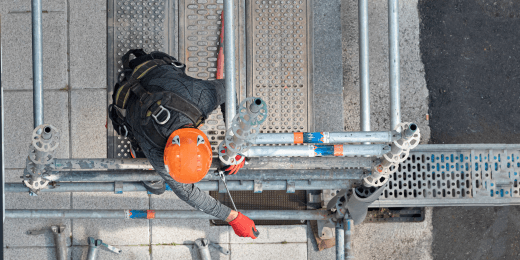
Workers can safely perform tasks at height (e.g., masonry, painting, or facade installation) with these temporary access and working platforms. Safety efforts in scaffolding should be concentrated on the following:
Structural stability and correct load capacity
Proper erection, handled by competent persons
Presence of guardrails, toe boards, and safe access
Regular inspections to detect loose fittings or damage
Existing structures or excavated walls are prevented from collapsing during build, repair, or demolition activities with this temporary works solution. These are some of the primary safety objectives with shoring:
Appropriate design to resist soil and structural loads
Correct installation sequence
Monitoring ground movement and settlement
Wet concrete takes a while to cure and dry. This is molded and supported using formwork while it gains sufficient strength to support itself. The focal point of this construction aid should be the following:
Strength and rigidity to resist concrete pressure
Secure connections and bracing
Safe access for pouring and inspection
Preventing premature removal that could cause collapse
Truss systems in bridges, Acrow props in floor slabs, and pre-engineered raking shores for walls temporarily support permanent, existing structures during major repairs. Because the risk of a total structural failure is too great, safety management must be focused on these aspects:
Accurate load calculations and design approval
Stable foundations for props and frames
Controlled loading and striking procedures
These create a secure boundary around construction sites. Aside from controlling site access, this interim installation protects the general public. One of the most disregarded types of temporary works, protocols should include the following:
Structural stability against wind loads
Secure gates and access points to prevent unauthorized entry
Clear signage and visibility
Regulations governing temporary works planning, execution, and monitoring have significantly expanded since the Bragg Report. Aside from clearer duties for design, coordination, and control, modern frameworks emphasize accountability and risk management throughout the construction lifecycle.
Country | Agency and Regulation | Focus |
US | Occupational Safety and Health Administration American Society of Civil Engineers | Strict load limits and checks for scaffolds, formworks, shoring, etc. Competent person oversight for inspections Engineering-based designs Careful load calculations Follow best practices not explicitly detailed in OSHA regulations |
UK | Health and Safety Executive (HSE) Construction Design and Management Regulations (CDM 2015) BS 5975: Code of Practice for temporary works procedures | Early design risk elimination Coordination between designers and contractors Design checks Permits to load and unload Defined responsibilities |
Australia | Safe Work Australia Engineers Australia | Formal temporary works management procedure (safe design, risk assessments, engineering controls) Appointment of temporary works coordinator UK-style temporary works management systems Defined roles Design verification Lifecycle controls |
Canada | Provincial Occupational Health and Safety Acts | Scaffolding, excavation support, and formwork under construction safety regulations Engineering criteria for loads and materials Emphasis on professional engineer involvement |
EU | Harmonized design safety and cross-border consistency Structural design principles Load combinations CE marking for equipment used Strictly following usage instructions |
Devastating construction failures often result from treating temporary structures as low-risk systems. Safeguarding lives and assets requires discipline from temporary works planning to final decommissioning. Take note of the following to minimize potential risks:
Appoint competent coordinators to manage temporary works safely: A qualified Temporary Works Coordinator (TWC) oversees all temporary works activities. With a central point person for approvals, the team can prevent design gaps, unsafe sequencing, and uncontrolled changes.
Conduct thorough risk assessments before work begins: Failure often stems from overlooked site-specific risks rather than design errors. Systematically evaluating risk identifies hazards related to loads, ground conditions, interfaces, and sequencing.
Implement formal design checks for all temporary works: Ancillary structures should withstand expected and accidental loads. Independent checks and approvals based on relevant standards and codes should be done before installation.
Schedule regular inspections throughout the lifecycle: Conditions change rapidly on construction sites, increasing failure risk over time. On top of the initial checks, the different types of temporary works in construction should be inspected at every stage: installation, use, modification, and after adverse events.
Train and communicate clearly with all site teams: Misuse, unauthorized alterations, or misunderstanding of limits are often due to a lack of specific knowledge. All relevant personnel, from supervisors to frontline workers, should receive targeted site safety training and attend daily induction meetings before work begins.
Plan safe dismantling and removal from the start: The highest risk often occurs during striking or removal, not during use. Dismantling procedures should have been developed during the design and planning phase so workers can follow controlled sequences.
Maintain accurate documentation and control records: All work documents should be properly maintained and accessible on site, as these provide traceability, accountability, and legal protection.
Byblos Construction, a top-rated construction and mining service in Western Australia, has achieved their “Zero Harm” goals after undergoing significant digital transformation. Leveraging a cloud-based platform with real-time mobile communication and inspections streamlined asset tracking, immediate hazard reporting, and data-driven accountability, allowing teams to verify structural integrity and safety protocols instantly across remote sites.

Byblos Construction digitized safety checklists, compliance checks, and risk assessments with SafetyCulture, letting teams quickly notify leaders of risks for faster action and fewer blind spots. This improved risk management, communication, and visibility for safer job sites.

SafetyCulture is a mobile-first operations platform adopted across industries such as manufacturing, mining, construction, retail, and hospitality. It’s designed to equip leaders and working teams with the knowledge and tools to do their best work—to the safest and highest standard.
Structure risk assessments, toolbox talks, and audits with mobile templates for risk registers, construction-related topics, and inspection checklists. Uphold interdepartmental coordination with automated scheduling, real-time monitoring, and documentation. Standardize procedures across construction sites, helping teams maintain structural integrity, track compliance, and swiftly address hazards on-site through a unified platform.
✓ Save time and reduce costs
✓ Stay on top of risks and incidents
✓ Boost productivity and efficiency
✓ Enhance communication and collaboration
✓ Discover improvement opportunities
✓ Make data-driven business decisions