How to Choose and Safely Use Demolition Equipment
Explore essential demolition machinery used for various projects and best practices for safe operation and equipment selection.
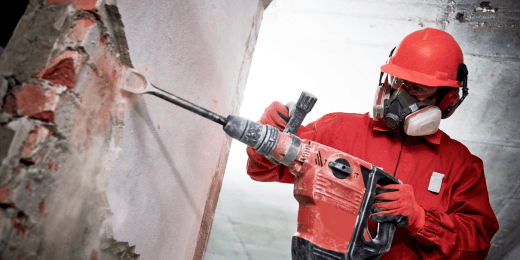
Explore essential demolition machinery used for various projects and best practices for safe operation and equipment selection.
Published 5 May 2026
Article by
7 min read
Demolition equipment refers to specialized heavy machinery used to dismantle structures like buildings, concrete, and roads. These machines, which range from high-reach excavators to handheld hydraulic hammers, enable workers to tear down structures with control and precision, ensuring materials are safely and efficiently removed from the site before the next phase of the construction project begins.
Demolition carries one of the highest hazard levels among all construction activities. The correlation between incorrect construction machinery operation and high rates of injury and death has been widely documented, making stringent safety protocols the single most important factor on any job site. Hence, safe demolition equipment operation is crucial to ensure the following:
Prevents structural collapse - Preventing unexpected structural failure is paramount. Without meticulous pre-demolition planning and expert equipment operation, load-bearing elements might be compromised out of sequence, triggering a collapse.
Protects workers from falling debris and struck-by injuries - Demolition debris can become dangerous projectiles, posing a significant risk to personnel and bystanders. Equipment use proficiency, coupled with the Personal Protective Equipment (PPE) use and stringent training protocols, can mitigate these hazards.
Limits exposure to hazardous materials - Improper demolition can release dangerous materials like asbestos, lead, and silica into the air, particularly when working on older buildings. Employing prescribed equipment usage limits exposure and safeguards worker health.
Reduces long-term health issues - Toxic dust, excessive noise, and sustained vibration can lead to severe occupational diseases. The combination of safe equipment operation, appropriate protective measures, and regular health monitoring can minimize the risk of long-term physical damage.
Ascertains regulatory compliance - Demolition is heavily regulated in different countries, so many regulatory agencies have developed specific subpart standards for it. Adherence to these standards not only prevents accidents and protects lives but also lessens or eradicates the risk of legal liabilities and associated penalties.
Raise the level of safety for all workers through real-time data, standardized procedures, and effective communication across multiple sites.
Building demolition sites are dynamic environments where workers on the ground are in proximity to heavy machinery. Everyone on-site is always exposed to hazards. Understanding how these machines work can help workers recognize the danger posed, stay clear of equipment paths, and respond quickly in emergencies.
These versatile machines with hydraulic arms and attachments (e.g., buckets, breakers, shears) tear down structures and handle debris. Simply because of their sheer size, never forget the following safety considerations for excavators:
Maintain a safe distance from the excavator's swing radius.
Inspect quick couplers and hydraulics to prevent accidental detachments.
Check ground stability to prevent accidental tip-overs.
This powerful tracked machine pushes debris, clears sites, and assists in controlled collapses. They're also used for site grading and preparation. Review these bulldozer safety measures:
Assign spotters to assist the operator with blind spots.
Check slopes to prevent rollovers on inclines.
Cover blades to reduce unexpected flying debris.
These machines break down large concrete, brick, and stone into smaller, more manageable pieces. Some types are mounted on excavators. Take note of the following crusher precautions:
Stay out of the machine’s pinch and crush zones.
Use dust suppression systems to hold respiratory silica.
Conduct lockout/tagout procedures when clearing jams.
Also attached to excavators, pulverizers are designed to crush, break, and cleanly separate concrete from rebar. This demolition and drilling equipment significantly minimizes the disposal volume while facilitating efficient reuse and recycling of the aggregates. Take note of the following precautions:
Implement exclusion zones to safeguard workers from flying debris.
Monitor hydraulic pressure to prevent sudden hose bursts.
Protect adjacent concrete sections from sudden shift and collapse.
These heavy steel balls are attached to cranes for demolishing large masonry or concrete structures. As this operation involves heavy loads suspended overhead, all personnel must immediately clear the workspace due to the following:
Window operator error can cause unpredictable swings.
Impact can cause widespread, sudden structural collapse.
Cable or connection failures can suddenly drop the ball.
Another excavator attachment, hydraulic shears are designed to dismantle industrial equipment, such as steel beams, pipes, rebar, and metal frames. Bear these potential risks in mind when using this industrial demolition equipment:
Cut steel can spring in unpredictable directions.
Misuse can misalign the attachment, damaging the shear or causing pieces to fall unexpectedly.
Cutting friction may generate heat or sparks near workers.
These compact machines are used for interior demolition and debris removal in tight spaces. Here are some safety precautions to remember:
Prevent rollovers by avoiding uneven surfaces.
Stay clear of the loader arms.
Use proper ventilation indoors to avoid exhaust buildup.
Build from scratch or choose from our collection of free, ready-to-download, and customizable templates.
Safety protocols should never be disregarded on any demolition site. Even experienced workers can face serious risks when these essentials are overlooked:
Site risk assessment guides the development of safe work plans and equipment positioning. It also helps workers understand collapse risks, hidden materials, and unstable sections
Operator training for construction equipment ensures workers understand machine limits, attachments, and emergency controls. This prevents errors that lead to injuries.
PPE, like helmets, eye shields, and steel-toe boots, protects workers from hazards like flying debris, sharp materials, and dust.
Clear communication ensures workers are aware of the demolition sequence and timing. Standard signals, radios, hand gestures, and coordinated instructions improve coordination and prevent misunderstandings.
Pre-operational inspections ensure machines and all attachments are in good working condition. These detect mechanical issues or leaks before they cause breakdowns or failures while on the job.
Emergency procedures detail the required actions for incidents (e.g., collapse, fire, equipment failure, injury). These ensure workers can respond quickly and correctly save lives.
The success, safety, and efficiency of the entire project depend on the judicious selection and correct application of demolition tools and equipment. This simple guide can minimize delays, lower costs, and prevent serious safety risks:
Demolition scenarios demand different levels of power, reach, and precision. Conducting this assessment ensures that the chosen equipment can handle the workload safely and efficiently. Thoroughly examine the following:
Type of structure
Materials involved
Height or depth
Access limitations
Environmental constraints
Overall desired outcome
Selecting equipment that is underpowered or poorly suited for the task can cause machine strain, unexpected failures, and unsafe working conditions. Match the needs identified with the capabilities of the available machines and attachments. These are often included in the review:
Power output
Reach
Hydraulic strength
Maneuverability
Compatibility with various tools
Equipment with strong safety features protects workers and prevents avoidable incidents. This is vital because demolition environments are unpredictable—structures can shift, debris can fall, and visibility can change instantly. The following features are advantageous:
Reinforced cabs
Stability control
Collision avoidance sensors
Overload alarms
Dust suppression systems
Emergency shut-off capabilities
Reliable maintenance and technical support play a major role in equipment performance. Remember, demolition equipment operates under intense pressure and is prone to rapid wear. Always look for the following:
Service availability
Spare parts accessibility
Ease of daily inspections
Supplier’s or manufacturer's reputation for long-term support
Experienced operators share practical insights that aren’t offered in manuals and specifications. Their first-hand experience, grounded in real-world performance, helps construction managers choose the best demolition construction equipment that improves workflow and avoids mistakes.
“You are going to get better quality out in the field if you run a clean, quality and safe job. That’s just the way we see it.”
Chris Wilcox
Senior Superintendent at Level 10
SafetyCulture is a mobile-first operations platform adopted across industries such as manufacturing, mining, construction, retail, and hospitality. It’s designed to equip leaders and working teams with the knowledge and tools to do their best work—to the safest and highest standard.
Systematically track the use, maintenance, and safety compliance of demolition equipment with digital checklists. Support risk assessment and regulatory adherence by managing documentation through real-time reporting and by utilizing a centralized dashboard. Ensure operational readiness, minimize downtime, and uphold safety during site demolitions through a unified platform.
Save time and reduce costs
Stay on top of risks and incidents
Boost productivity and efficiency
Enhance communication and collaboration
Discover improvement opportunities
Make data-driven business decisions
In this article