Ship Maintenance: A Guide
A look into what ship maintenance is, its importance, and how teams can perform it effectively to ensure efficiency and safety at sea.
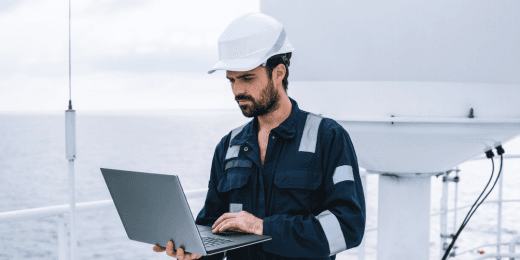
A look into what ship maintenance is, its importance, and how teams can perform it effectively to ensure efficiency and safety at sea.
Published 28 Apr 2026
Article by
5 min read
Ship maintenance is the process of inspecting, repairing, and servicing a vessel to ensure its seaworthiness and safety. It involves routine tasks such as cleaning, painting, lubricating machinery, and checking structural integrity to prevent corrosion and mechanical failure in ships. Effective ship maintenance extends the vessel’s lifespan, reduces costly breakdowns, and ensures compliance with maritime safety regulations.
The upkeep of vessels through ship maintenance is critical for operational readiness, cost control, and safety. A well-performed maintenance program is essential to overall shipyard management, and also prevents equipment failures, corrosion, and structural damage that could compromise safety at sea. By maintaining machinery, hulls, and navigation systems, operators extend the lifespan of ships and avoid costly emergency repairs or downtime.
On top of reliability, ship maintenance plays a crucial role in environmental protection and crew safety. Well-maintained vessels consume less fuel, emit fewer pollutants, and are less likely to cause oil spills or mechanical accidents. Consistent maintenance programs also support global shipping efficiency by reducing delays and ensuring that fleets are always ready for service.
Teams need to understand the types of maintenance performed on ships, how they differ, and the benefits of each approach. Below are the key types of ship maintenance and how teams can utilize it to improve maritime operations:
Preventive maintenance involves performing regular, scheduled inspections and servicing to prevent equipment failure before it occurs. In ship maintenance, tasks include lubricating engines, cleaning fuel filters, and inspecting hull integrity to prevent corrosion or leaks. By following a planned schedule, ship operators can minimize downtime, extend equipment life, and ensure safe voyages.
Corrective maintenance is performed after a fault or breakdown is detected to restore equipment or systems to full operational order. On ships, this might involve repairing a malfunctioning pump, replacing worn engine parts, or fixing electrical faults discovered during operation. While often unplanned, it’s essential for maintaining safety and performance once issues arise at sea or during inspections.
Predictive maintenance utilizes data and monitoring technologies to identify when a component is likely to fail, enabling timely repairs. In maritime settings, sensors and condition-monitoring tools track parameters such as vibration, temperature, and oil quality to detect early signs of wear. This approach enables ship crews to make data-driven maintenance decisions, thereby reducing costs and preventing unexpected breakdowns during voyages.
Streamline your operations with usage-based maintenance using our intuitive management software.
Ship maintenance can be a complex process that requires close attention to detail. While the process may look different for each ship and crew, there are some key procedures that must be a part of the maintenance process. These procedures include the following:
Inspections are routine evaluations of a ship’s machinery, hull, and onboard systems to ensure they are functioning properly and safely. They help identify issues like corrosion, leaks, or worn components before they cause major problems at sea. Regular inspections are essential for maintaining performance, ensuring safety, and complying with maritime standards.
Documentation involves keeping detailed records of all maintenance, repairs, and inspections performed on a vessel. These records provide a clear maintenance history, helping shipowners and crews track performance and plan future servicing. Proper documentation, especially with cloud storage and mobile ease of use, also supports regulatory compliance and enhances operational transparency.
Compliance ensures that all ship maintenance activities meet international safety and environmental regulations. This includes following standards set by the International Maritime Organization (IMO) and other governing bodies. Maintaining compliance helps prevent legal issues, protects the crew and environment, and upholds the vessel’s certification and reputation.
Below are some of the best practices teams can use when maintaining ships and machinery on ships. These practices can help improve the effectiveness and efficiency of maintenance practices while also making them easier for teams to perform.
Regular inspections and preventive maintenance help detect early signs of wear, corrosion, or system failure before they lead to costly repairs or accidents. Using digital checklists ensures that all inspection points are covered accurately, streamlining the process and reducing human error. This practice keeps ships in optimal condition, minimizes downtime, and supports compliance with maritime safety regulations.
Maintaining detailed maintenance and repair records provides a clear history of all servicing activities performed on the ship. These records help identify recurring issues, plan future maintenance, and support audits or insurance claims. Accurate documentation that is easily accessible by authorized personnel ensures accountability and smooth communication among ship operators, engineers, and regulatory authorities.
Adhering to manufacturer recommendations ensures that equipment is serviced with the correct parts, tools, and procedures. In ship maintenance, following safety and operational standards set by the IMO and classification societies prevents accidents and equipment damage. This best practice safeguards the vessel’s performance and ensures long-term reliability.
Proper training equips the crew with the skills needed to operate, inspect, and maintain ship machinery safely and efficiently. It reduces human error, enhances safety awareness, and helps identify issues before they escalate. A well-trained crew also ensures that maintenance tasks are performed correctly and in compliance with established protocols.
Modern ships benefit from digital tools such as asset management software that track equipment performance through real-time data on temperature, pressure, and vibration. These technologies enable predictive maintenance by detecting anomalies before failures occur, and help with scheduling additional maintenance tasks as needed. Integrating digital monitoring systems improves efficiency, reduces maintenance costs, and enhances overall vessel reliability.
SafetyCulture is a mobile-first operations platform adopted across industries such as manufacturing, mining, construction, retail, and hospitality. It’s designed to equip leaders and working teams with the knowledge and tools to do their best work—to the safest and highest standard.
Streamline processes, eliminate bottlenecks, enhance resource utilization, and build an agile and scalable infrastructure with SafetyCulture. Strive for operational excellence to boost competitive advantage, foster sustainable growth, and deliver long-term value.
Save time and reduce costs
Stay on top of risks and incidents
Boost productivity and efficiency
Enhance communication and collaboration
Discover improvement opportunities
Make data-driven business decisions