What You Need to Know About Water Damage Assessment
Discover how proper water damage assessment helps identify damage extent, ensure compliance with regulations, and develop effective restoration plans.
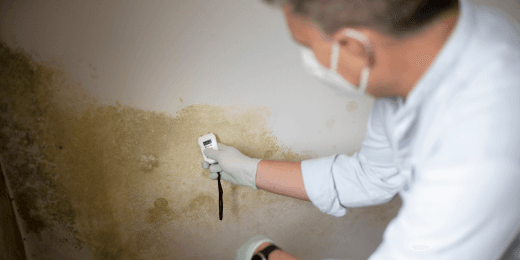
Discover how proper water damage assessment helps identify damage extent, ensure compliance with regulations, and develop effective restoration plans.
Published 28 Apr 2026
Article by
7 min read
Water damage assessment is the systematic evaluation of structural and material degradation caused by water intrusion. It involves identifying the source of the leak or infiltration, determining moisture levels, and cataloging affected components. Conducting this with advanced diagnostic tools helps prescribe the necessary remediation and the appropriate methodology.
Water intrusion is more than just a nuisance for property and facility managers; it poses a significant threat to business continuity. It can lead to losses reaching tens of thousands of dollars due to extensive structural repairs, inventory replacement, and costly business interruption. Water damage restoration is the required solution, but any efforts can be compromised or fail without the foundational knowledge of how to assess water damage.
Here are some reasons why a thorough water damage assessment is a must:
Ensures accurate scope and cost control - Systematically assessing the structure helps inspectors determine the full extent of the damage and estimate repair costs realistically.
Mitigates risk and prevents secondary damage - The real danger with water intrusion is hidden moisture, mold growth, corrosion, structural weakening, and electrical hazards. Detailed inspections can identify these.
Prioritizes remediation - Not all water damage is equal. Evaluating the damage sets priorities based on which areas pose the greatest risk and what requires specialist treatment.
Helps in insurance claims documentation - Knowing affected materials, moisture readings, classification, and time of exposure aids in preparing insurance claims for restoration.
Protects assets and business continuity - Identifying the source of moisture intrusion (e.g., plumbing failure, roof leaks, or Heating, Ventilation, and Air Conditioning (HVAC) malfunctions) is critical in preventing future incidents and safeguarding the building's structural integrity. In essence, water damage risk assessment and identification mitigate disruptions, delays, and reputational harm.
A meticulous water damage evaluation is essential because the determined class directly dictates the specific equipment, the full scope of restoration work, and the project's overall timeline.
Involving the least amount of absorption, Class 1 affects only a small area and would be easy to fix. Here are some signs to look for during the water damage assessment and repair options:
Wipe, clean, and sanitize small puddles and damp spots on the floor.
Dry slightly moist baseboards and carpets with fans or dehumidifiers.
Lower minimal humidity increases with dehumidifiers.
Water has spread further, saturating carpets, cushions, and subflooring. This moderately severe damage may already cause a musty odor and noticeable warping on floors and walls. Effective water mitigation requires the following:
Remove wet carpets, rugs, and paddings.
Wipe water stains creeping up walls and use industrial-grade dehumidifiers and moisture meters to ensure complete drying.
Repair slightly swollen baseboards or wooden furniture.
There’s complete saturation of the affected structure, involving walls, ceilings, insulation, flooring, and substructures. This extensive saturation typically results from a high-volume intrusion originating from above (e.g., a burst pipe) or below (e.g., severe flooding or sub-slab leaks).
Extract and dry fully soaked walls and floors.
Replace drywall and insulation of dripping or collapsing ceilings or walls.
Conduct mold remediation and comprehensive air quality treatment.
Inspect and fix electrical fixtures before occupancy.
Water has deeply penetrated materials with very low permeability, such as concrete, brick, hardwood, and plaster. This type of damage is severe, resulting in incredibly costly repairs. Here’s how to check for water damage at this level:
Water trapped under or inside hard surfaces
Warped or cracked concrete or wood
High humidity even after visible drying
Persistent musty odor or damp feel in the air
Before professional restoration starts, remove and dispose of severely saturated materials. Implement specialized drying methods (e.g., heat-drying systems or desiccant dehumidifiers) while consistently monitoring moisture during remediation to confirm complete drying of salvageable components.
Water damage assessment and inspection aren’t just technical or insurance requirements. This is a legal obligation across many regions. These are the frameworks that can guide in-house teams of commercial buildings and facilities:
Country | Agency | Requirements |
US | Environmental Protection Agency (EPA) Occupational Safety and Health Administration (OSHA) Institute of Inspection, Cleaning, and Restoration Certification (IIRC) | Dispose of contaminated water discharge and mold growth to prevent environmental damage or public health risks. Assess water-damaged environments for biological and electrical hazards before allowing worker re-entry. Define assessment protocols: identify the source, category, and class of water damage. |
UK | Environment Agency (EA) and Health and Safety Executive (HSE) | Safely manage water ingress and contaminated materials to protect the health and safety of occupants and workers. Outline inspection methods and acceptable moisture limits in buildings, ensuring assessments are systematic and traceable. |
Australia | Australia Building Codes (ABCB) National Construction Code (NCC) Standards Australia | Mandates moisture-resistant building elements and assessment of affected areas to prevent deterioration Provides detailed procedures for assessing water damage severity, contamination, and structural impact |
EU | European Committee for Standardization (CEN) National building control authorities for member states | Shared mandates: Requires assessment of water infiltration sources and contamination risks to prevent groundwater pollution Stipulates the evaluation of indoor air and humidity levels after water damage to protect occupant health |
Canada | Canadian Standards Association Public Health Agency of Canada (PHAC) | Requires buildings to resist water penetration and mandates inspection after flood or leak events. Oversees clean-up and water contamination control, requiring assessments before and after restoration to prevent environmental release |
Adhering to a systematic framework for water damage evaluation ensures no critical detail or associated risk is overlooked. Professional inspectors, whether internal or third-party experts, follow this structured procedure:
Protect both workers and occupants by determining whether the area is safe to enter. Check for immediate hazards such as standing water near live electrical sources, structural instability, chemical spills, and contamination from sewage or floodwater.
Gain an overview of damage severity to pinpoint which areas require testing. Record all visible signs of water damage during the detailed walkthrough, such as the following:
Discoloration
Bubbling paint
Warped flooring
Damp patches
Mold growth
Hidden moisture poses one of the biggest threats after water intrusion. Professional-grade instruments, such as moisture meters, hygrometers, and infrared cameras, are used to precisely measure the extent of water migration in rooms and materials.
Residual moisture poses long-term safety and health risks. The environmental and structural water damage assessment is an additional evaluation that helps determine if specialized remediation is required for:
Corrosion of metal components
Compromised load-bearing materials
Indoor air quality issues (e.g., microbial growth, airborne contaminants)
Photos, readings, diagrams, and notes of findings should be compiled into a detailed report. Accuracy supports insurance claims, internal audits, and compliance with regulatory standards. It also helps create a clear action plan for remediation, restoration, and future preventive actions against water intrusion and damage.
Inspectors can outline the restoration strategy based on the assessment results, prioritizing urgent repairs, determining salvageable materials, and specifying drying and cleaning methods. The restoration plan should also include the following:
Timelines
Required equipment
Responsible teams
Detailed safety protocols
Clear verification and documentation process
SafetyCulture is a mobile-first operations platform adopted across industries such as manufacturing, mining, construction, retail, and hospitality. It’s designed to equip leaders and working teams with the knowledge and tools to do their best work—to the safest and highest standard.
Systematically document findings, track damage severity, and generate reports for compliance and insurance claims with standardized inspection templates. Facilitate team communication, assign corrective actions to get ahead of the issue, and prevent secondary damage. Improve remediation and restoration planning by streamlining water damage assessment workflows through a unified platform.
✓ Save time and reduce costs
✓ Stay on top of risks and incidents
✓ Boost productivity and efficiency
✓ Enhance communication and collaboration
✓ Discover improvement opportunities
✓ Make data-driven business decisions
In this article