
Cargo Aircraft Management: Key Aspects and Best Practices
Learn what cargo aircraft management is, why it’s important, and the best practices for teams to follow to ensure safe and efficient transportation of goods.
Published 7 Nov 2025
Article by
6 min read
What is Cargo Aircraft Management?
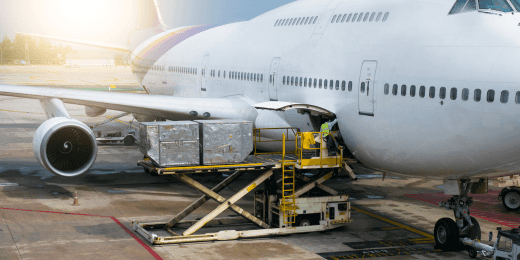
Cargo aircraft management is the process of overseeing the operations, logistics, and maintenance of aircraft specifically designed to transport goods and freight. It involves coordinating flight schedules, load planning, safety compliance, and efficient cargo handling to ensure timely and secure deliveries. Effective cargo aircraft management optimizes aircraft utilization, reduces operational costs, and ensures compliance with aviation and international shipping regulations.
Importance
Cargo aircraft management is essential because it ensures that aircraft maintenance, safety, and logistics are performed to the highest standards. Regular maintenance of cargo aircraft prevents costly breakdowns, enhances fuel efficiency, and ensures compliance with aviation safety regulations. Without effective management, delays, equipment failures, and cargo damage could severely disrupt global supply chains.
This process is also vital because airlines transport over 62 million cargo tonnes of goods a year, supporting global trade and economic growth. Proper management ensures that this massive volume of freight is moved efficiently, securely, and on schedule. It enables businesses to meet customer demands, reduce losses, and maintain trust in air transport as a reliable logistics solution.
Key Aspects
Many unique aspects of cargo aircraft management separate it from managing passenger planes. Below are some of the key aspects of cargo aircraft management that teams must understand before starting the process:
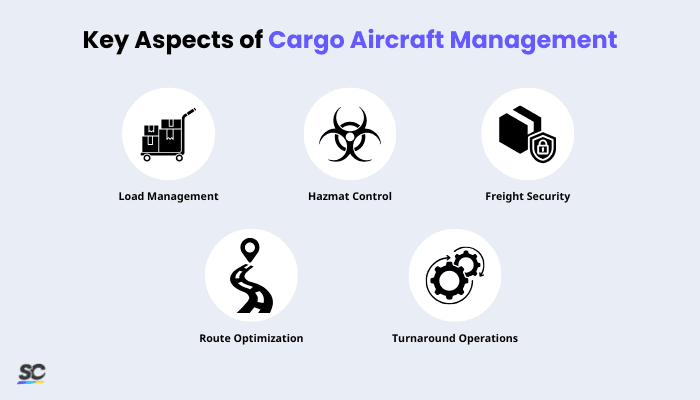
Key Aspects of Cargo Aircraft Management
Specialized Cargo Loading and Weight Distribution
Cargo aircraft management requires precise loading and weight distribution to maintain balance and flight stability. Improper distribution can affect an aircraft’s center of gravity, leading to performance and safety issues. Managers use specialized equipment and software to ensure loads are evenly distributed and secured according to aircraft specifications.
Temperature and Hazardous Material Control
Some cargo, such as pharmaceuticals, perishables, or chemicals, must be stored under strict temperature and safety conditions. Cargo aircraft management includes monitoring and controlling these environments to prevent spoilage or dangerous reactions. Compliance with international regulations ensures safe handling and transport of hazardous and sensitive goods.
Freight Handling and Secure Containment
Efficient freight handling ensures that goods are loaded, unloaded, and transferred without damage or loss. Secure containment systems like Unit Load Devices (ULDs), straps, and locks prevent shifting during flight. Proper handling procedures protect both the cargo and the aircraft while maintaining operational efficiency.
Optimized Route Planning for Cargo Efficiency
Route planning in cargo aircraft management focuses on maximizing fuel efficiency, reducing transit time, and meeting delivery deadlines. Managers use advanced software and weather data to choose optimal flight paths. Efficient routing minimizes costs and environmental impact while ensuring timely cargo delivery.
Ground Operations and Rapid Turnaround Management
Ground operations involve refueling, maintenance checks, and cargo transfer activities between flights. Rapid turnaround management ensures these tasks are completed quickly without compromising safety or quality. Streamlined coordination between ground crews, maintenance teams, and logistics staff keeps cargo flights on schedule and maximizes fleet productivity.
Key Challenges
Managing fleets of cargo planes can be quite a challenge for many organizations. There are many factors to consider, and it’s common for teams to run into challenges. Here are key challenges that teams should expect when managing cargo aircrafts:
Capacity Constraints
Cargo aircraft often face limits in space and payload capacity, especially during peak shipping seasons. These constraints can lead to scheduling conflicts, delayed shipments, and increased operational stress. Effective management must balance demand while maintaining aviation safety standards in loading and flight operations.
Labor Shortages
A shortage of skilled pilots, technicians, and ground handlers can disrupt cargo operations and maintenance schedules. Without adequate staffing, safety checks and loading procedures may be rushed or overlooked. Investing in workforce training and retention is crucial to ensure safety and efficiency in every operation.
Security Threats
Cargo aircraft are vulnerable to risks such as smuggling, theft, and terrorism. Security management systems must include strict screening, surveillance, and cargo documentation to ensure flight safety. Strong safety protocols protect both the aircraft and its crew while maintaining the integrity of global cargo networks.
Infrastructure Bottlenecks
Limited airport infrastructure, outdated equipment, or congested cargo terminals can slow operations and increase turnaround times. These bottlenecks make it harder to maintain safe loading, fueling, and maintenance procedures. Upgrading facilities and streamlining workflows are essential to improve safety and efficiency in cargo handling.
Regulatory Complexity
Cargo airlines must navigate complex international regulations governing customs, safety, and hazardous materials. Constant changes in these rules can create compliance challenges and delay shipments. Strong management systems and trained staff help ensure that all operations remain legal, safe, and efficient across different jurisdictions.
Achieve operational excellence
Cultivate a culture of excellence with our digital solutions that enhance efficiency, agility, and continuous improvement across all operations.
Best Practices for Efficient Cargo Aircraft Management
Cargo aircraft management is a very important task that organizations must get right. This is to ensure that personnel remain safe and operations remain efficient. There are a few best practices for teams to implement to enhance their management operations, such as the following:
Conduct Routine Aircraft Inspections
Regular inspections are critical to ensuring the airworthiness and safety of cargo aircraft. These checks, especially when done on-the-go and with a digital checklist or form, help detect potential issues before they become serious mechanical problems or safety hazards. Consistent inspection schedules reduce downtime, prevent accidents, and extend the aircraft’s operational lifespan.
Implement Efficient Load Planning Systems
Efficient load planning ensures that cargo is distributed evenly and within weight limits for safe and balanced flights. Advanced planning systems optimize cargo placement, fuel usage, and payload capacity. This best practice enhances both safety and cost efficiency while preventing flight delays or overloading issues.
Ensure Compliance with Safety and Security Regulations
Strict adherence to aviation safety and security regulations protects the aircraft, crew, and cargo from risks. Compliance involves regular audits, employee training, and up-to-date documentation for all operations. Maintaining these standards builds trust with regulators and clients while minimizing the risk of fines or accidents.
Maintain Accurate Flight and Maintenance Records
Detailed records of flights, inspections, and maintenance are vital for tracking aircraft performance and ensuring accountability. This is best done with a digital tool, particularly one with offline access and cloud storage. Accurate documentation helps identify trends that could signal safety or efficiency problems. It also supports regulatory compliance and aids in long-term planning for fleet management.
Integrate Modern Technology for Tracking and Monitoring
Modern technology enables real-time tracking of cargo, aircraft condition, and flight operations. Sensors, data analytics,asset tracking tags, and monitoring software enhance visibility and safety throughout the transport process. These tools, especially when linked with a tool that manages related records and forms, help managers make data-driven decisions, improve efficiency, and ensure that cargo arrives safely and on schedule.
Enhance Cargo Aircraft Management Practices with SafetyCulture
Why Use SafetyCulture?
SafetyCulture is a mobile-first operations platform adopted across industries such as manufacturing, mining, construction, retail, and hospitality. It’s designed to equip leaders and working teams with the knowledge and tools to do their best work—to the safest and highest standard.
Streamline processes, eliminate bottlenecks, enhance resource utilization, and build an agile and scalable infrastructure with SafetyCulture. Strive for operational excellence to boost competitive advantage, foster sustainable growth, and deliver long-term value.
Save time and reduce costs
Stay on top of risks and incidents
Boost productivity and efficiency
Enhance communication and collaboration
Discover improvement opportunities
Make data-driven business decisions
Related articles
Maritime
Transportation

Inside The World Of Shipyard Management
Learn about the shipyard management process, from planning and construction to commissioning and operation.
Transportation
Automotive

A Comprehensive Guide to Delivery Driver Training
Learn how delivery driver training improves safety, consistency, and frontline readiness across fleets while reducing operational risk.
Automotive
Transportation

Driver Training: How to Improve Safety
Discover driver training programs, understand safety requirements, and learn which certifications are needed for specific industrial roles.