Best Practices
Pit road lessons: Shaun Peet on making every second count
Share article
Uncover leadership and teamwork lessons from NASCAR’s pit road with Shaun Peet
Learn how preparation, trust, and communication fuel high-stakes performance
Gain actionable strategies for building resilient, agile teams
In NASCAR, precision and speed are everything. Pit crews operate in a high-stakes environment where a split second can be the difference between winning and losing. Shaun Peet, Pit Crew Coach and Chief Culture Officer at Trackhouse Racing has made a career of inspiring human brilliance under pressure.
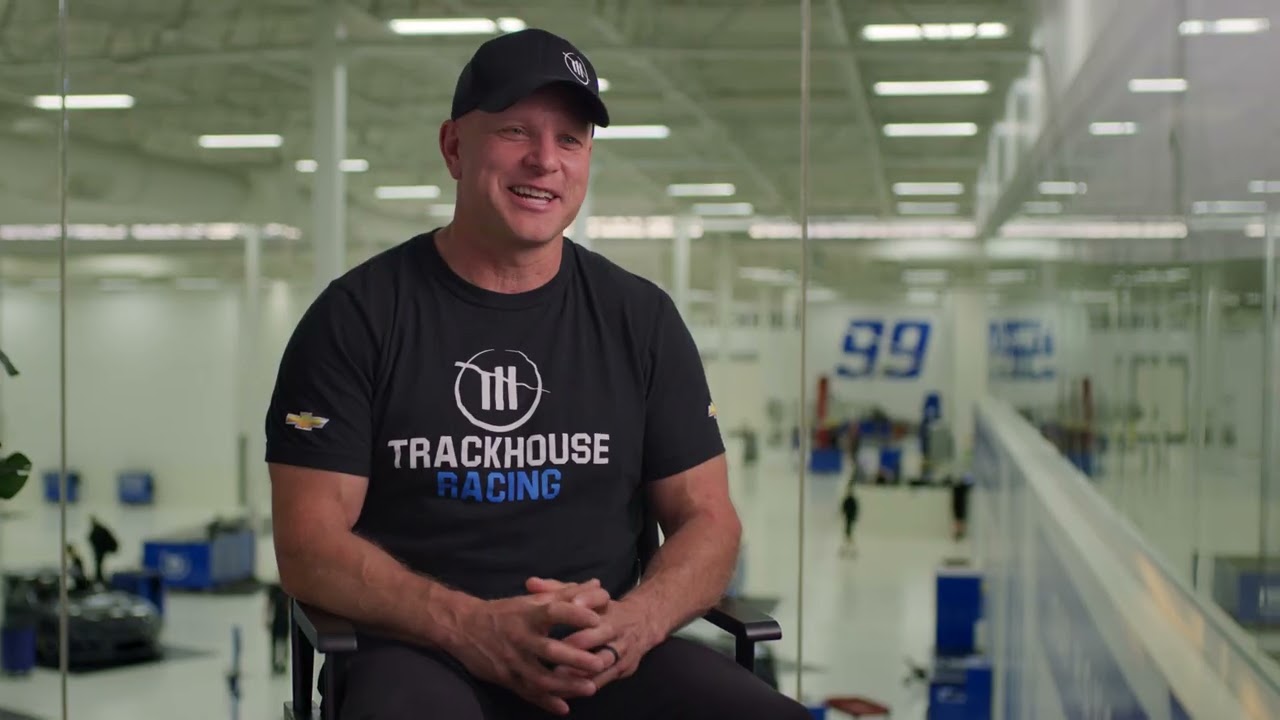
In most workplaces, time is money. NASCAR takes this concept to the next level.
“If you go ahead and blink your eyes, that's two-tenths of a second,” Shaun explains. “Race cars move at 190 feet per second, and two-tenths of a second equates to 56 feet. At the Daytona 500, 56 feet is the difference between first and sixth, and the difference in prize money is $1.1 million. That's the reality that we live with.”
As Pit Crew Coach, Shaun inspires his team to make every second count. He’s learned valuable lessons on mindset, continuous improvement, and the importance of culture. Dive into his world to discover why you should focus on the Moments that Matter.
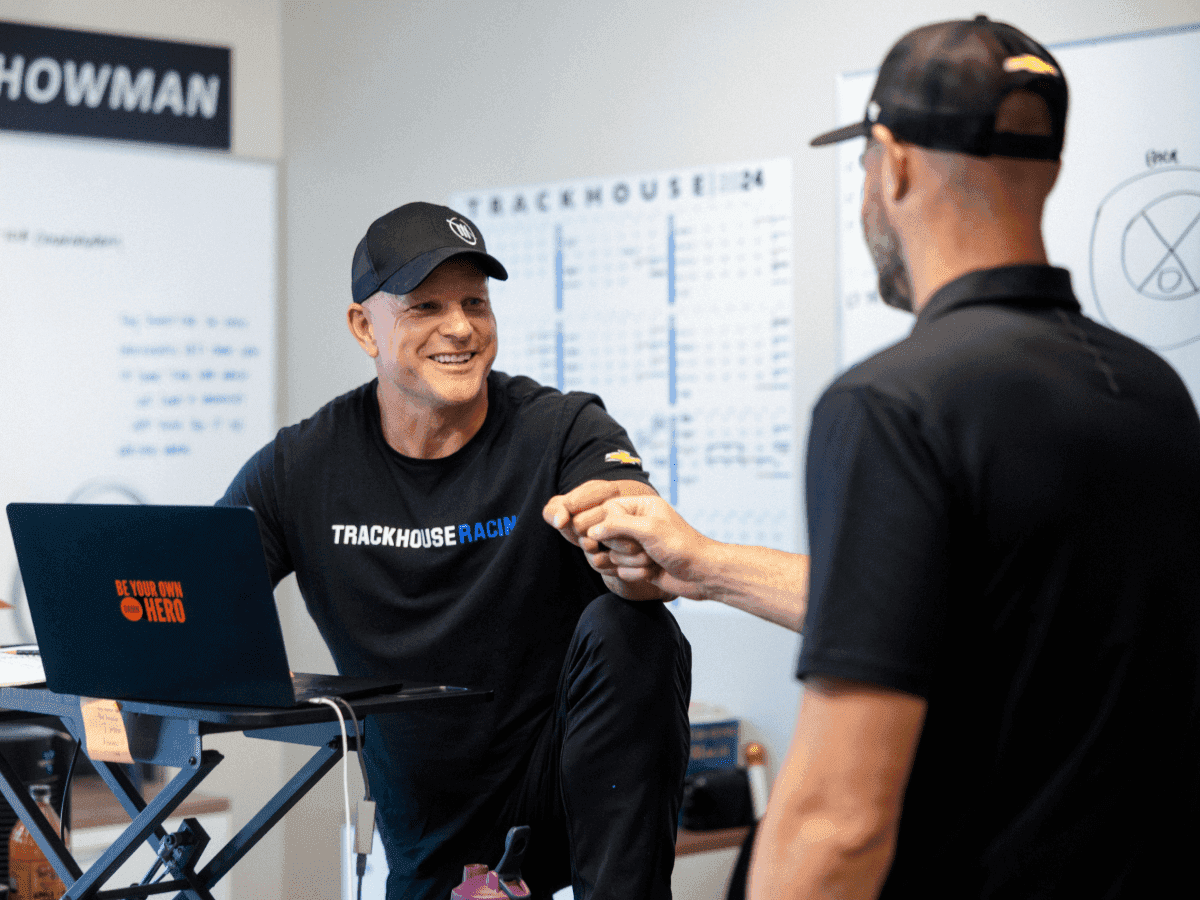

The intense setting of NASCAR is a perfect backdrop for leadership insights that can be applied to any industry. Here are Shaun’s five high-octane strategies to supercharge team performance:
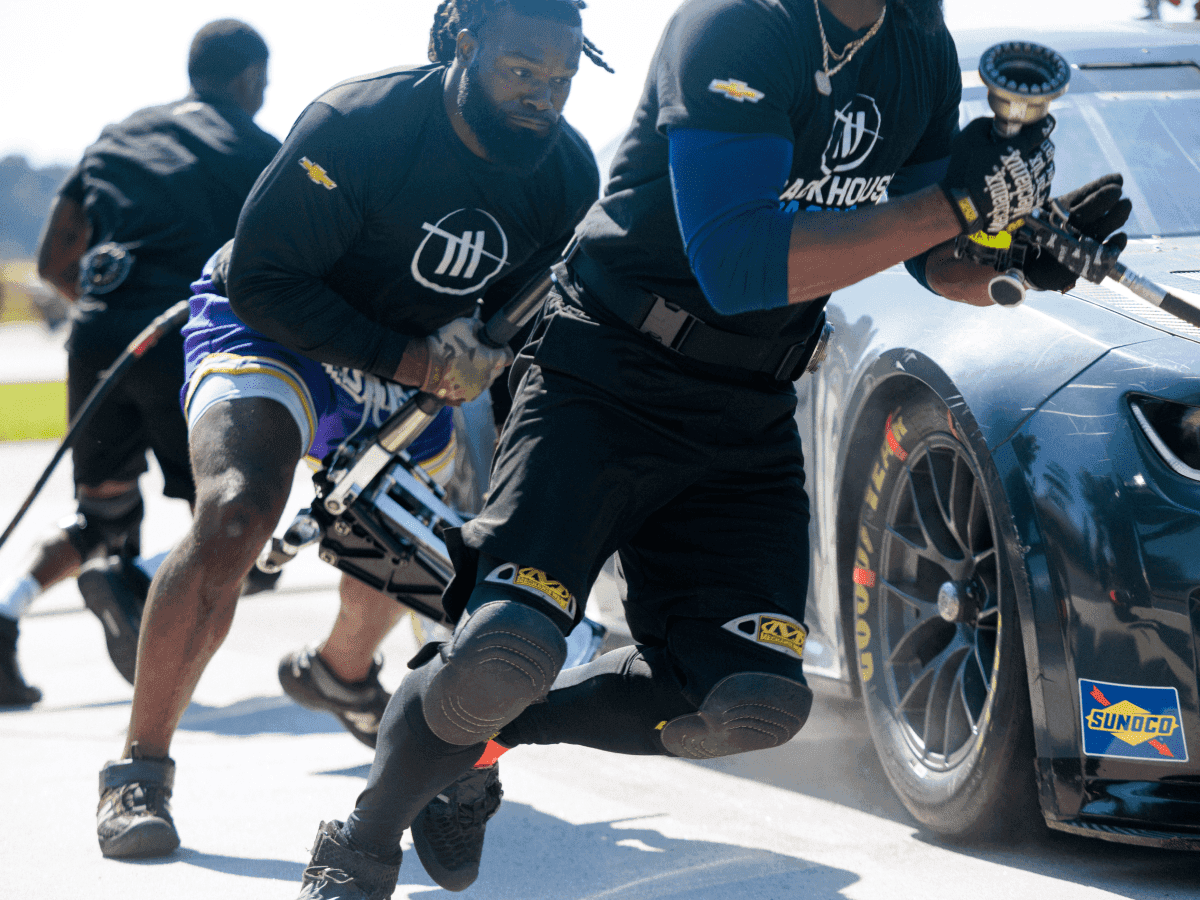
On pit road, failure is expected. “We have a very unique relationship with failure,” says Shaun. “We're asking our athletes to change four tires and put in two cans of fuel in 8.5 seconds. They operate right on the verge of what's humanly possible. We know we're going to fail. So, how do we reframe that? We ask our athletes to fail quickly.”
“So many of us look at successful people and think they've never failed before. Nothing could be further from the truth. We look up at them because they stand on a mountain of failures. They just do two things better than us. They don't let it stop them, and they don't let it define them.”
Reframing failure removes the fear. “If the car comes down pit road and they fail on the right side of the car, they can fail quickly and be brilliant on the left side. They know if failure shows up, they can just shed it and still be great. The thing that’s going to derail us isn't failure. It's compounding failure, and compounding failure happens when you don't give yourself the grace to fail quickly.”
Shaun encourages his team to accept failure as normal. “It's about how we meet that failure, extract the teaching points and any positives and move through it. Our ability to manage our emotions on race day is really the determinant of whether we’re successful or not.”
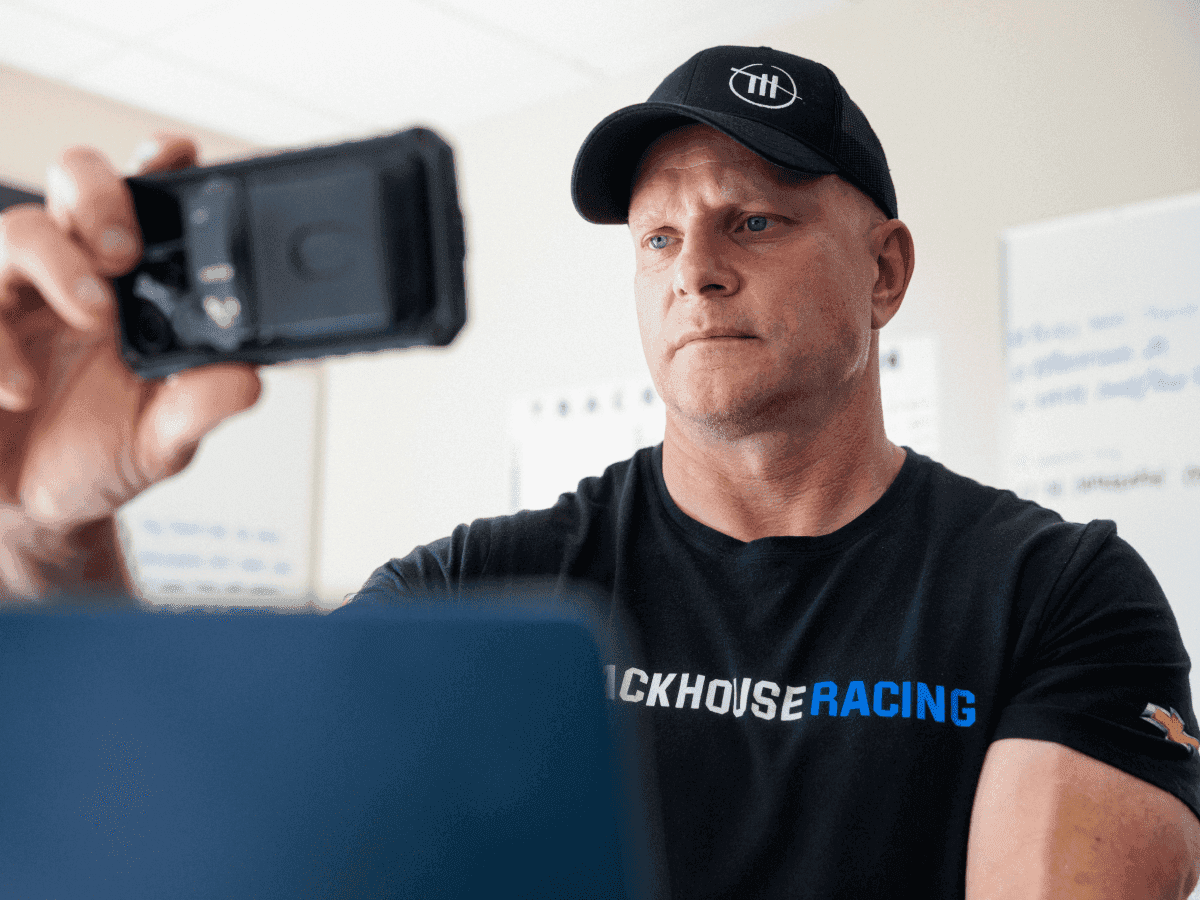
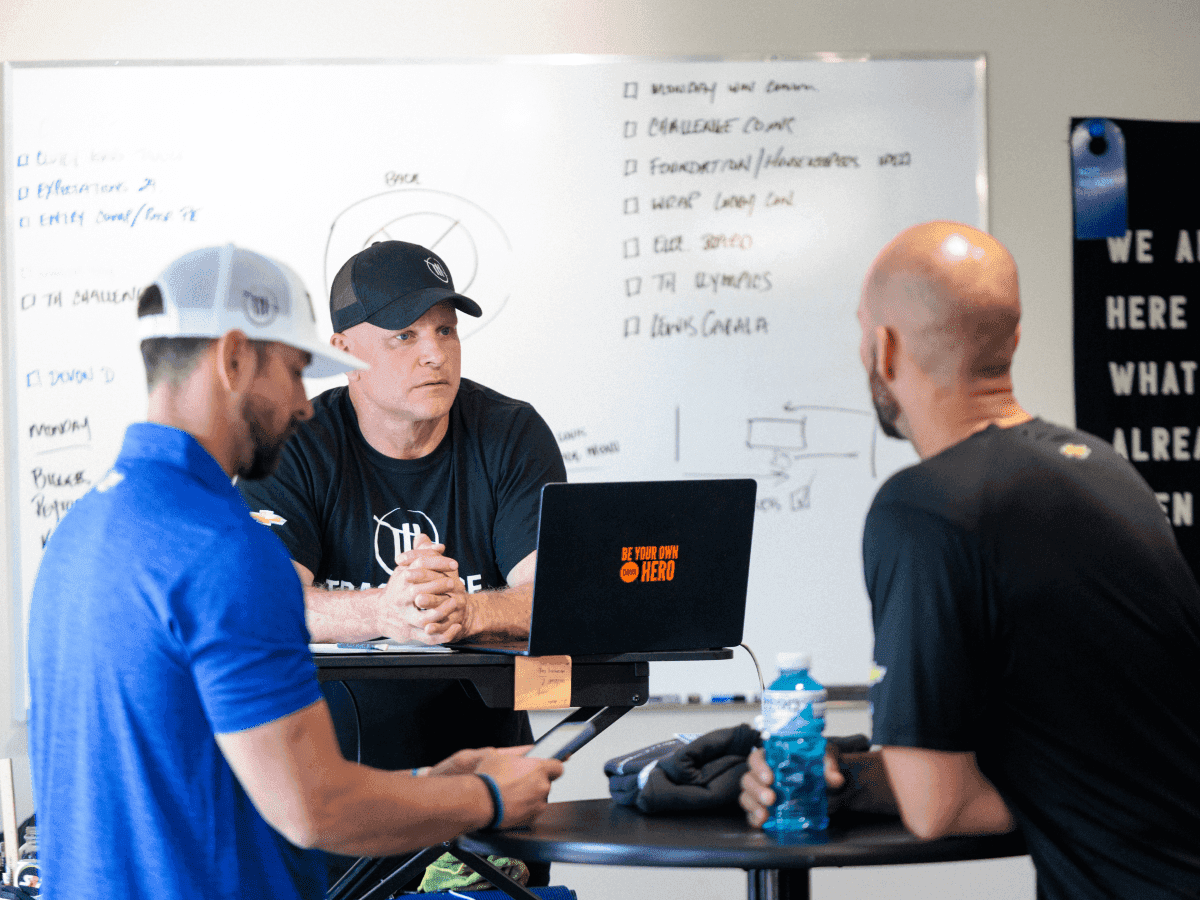
Historically, workplace safety has focused on physical risks. For Shaun Peet, it’s not the physical safety of his team that keeps him up at night, it’s the mental health of his athletes.
“With the onset of social media and free speech without consequence, our guys take a beating when things don't go well on pit road,” he says. “It's hard to shake off some of the stuff that gets said in person at the racetrack and through social channels. I just want to make sure I am giving them everything they need to succeed. And that includes a place where they feel mentally safe. When they come through the door, I want them to put their best foot forward every day.”
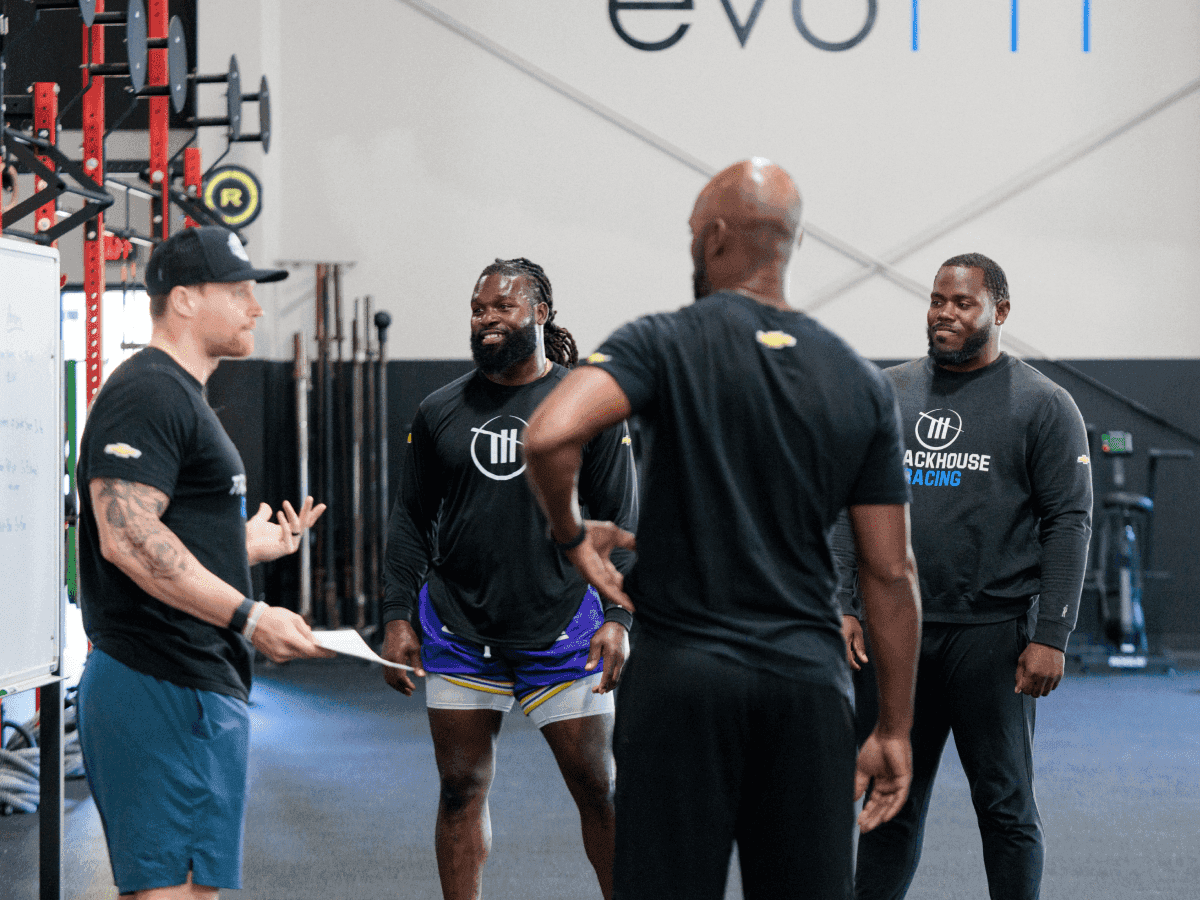
Shaun believes in the importance of preparation. He wants to make race day the easiest day of the week. “We look at the challenges ahead and build them into the week. We’re going to Iowa on Sunday. It’s going to be 100 degrees and 100% humidity. So, we’ll practice in the heat today. It’ll be awful, but if we build in some of the factors they’ll face and navigate them during the week, on Sunday, they’re easy for us.”
NASCAR pit stops used to last more than 90 seconds. Now, with fewer people and a new modality, they're eight seconds. Teams gain and maintain their advantage by constantly recalibrating and aggregating the marginal gains.
Shaun relies heavily on data analysis and technology to highlight opportunities to improve. “Our athletes are evaluated down to the 1000th of a second. Using cameras and artificial intelligence, we break down all the time metrics involved in a pit stop,” he explains. “We deconstruct it, break it into parts and work out a program or training plan to enhance each part. All those little tiny gains are what's going to get us another one-tenth of a second as we keep pursuing the elusive goal of a seven-second pit stop.”

Important notice
The information contained in this article is general in nature and you should consider whether the information is appropriate to your specific needs. Legal and other matters referred to in this article are based on our interpretation of laws existing at the time and should not be relied on in place of professional advice. We are not responsible for the content of any site owned by a third party that may be linked to this article. SafetyCulture disclaims all liability (except for any liability which by law cannot be excluded) for any error, inaccuracy, or omission from the information contained in this article, any site linked to this article, and any loss or damage suffered by any person directly or indirectly through relying on this information.