
Industry Insights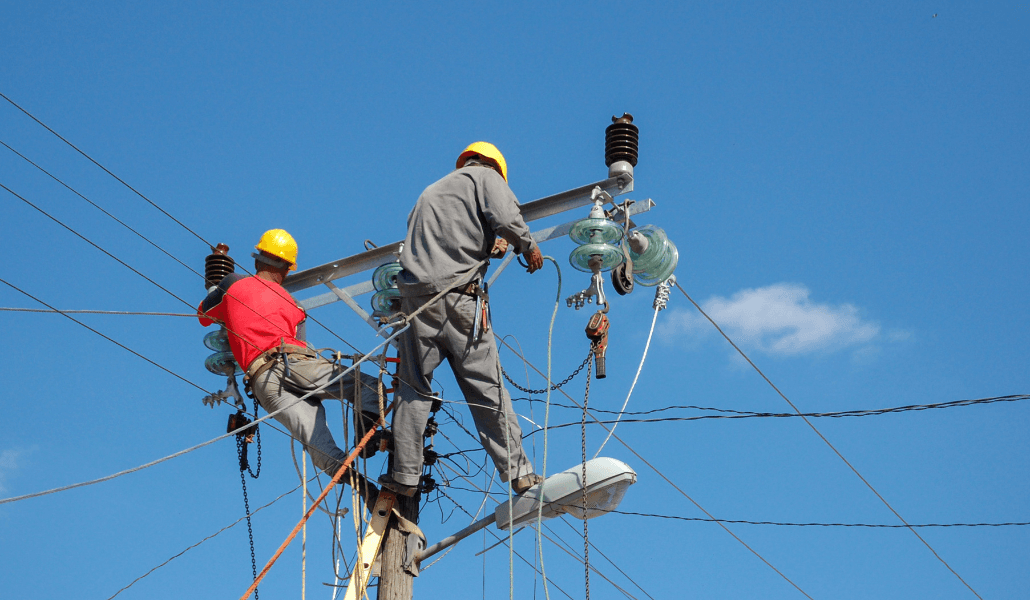
Can experience be a safety hazard?
Share article
When workers are too competent on their job, they start to skip some safety precautions.
Safety culture is everyone's job, not just the manager’s.
No industry is too safe to need a safety culture; sometimes the most dangerous workplaces aren't always the ones that look dangerous from the outside.
On January 16, 2003, Space Shuttle Columbia launched successfully and reached orbit. What nobody addressed was that a chunk of foam had broken off the external fuel tank during launch and struck the left wing, damaging the heat shield.
But at the end of the day, the shuttle made it to orbit.
For 16 days, the crew conducted their research unaware of the risk. On the ground, engineers knew about the foam strike, but management had seen them before, and every time, the shuttle always came back fine.
Then on February 1, Columbia began reentry. Superheated air tore through the damaged wing, Mission Control lost contact at 8:59am, and the shuttle broke apart over Texas. All seven crew members were killed.
The problem that caused the Columbia disaster wasn't ignorance;it was experience.
If you've ever run a red light and gotten away with it, you know how this works. Each time you survive, the risk feels a little less real. Do it enough times, and running red lights stops feeling dangerous altogether.
That's exactly what happened at NASA. Engineers raised concerns, but management dismissed them. The issue was ignored not because they didn't care, but because foam strikes had never caused a fatal accident before.
This is what it looks like when your top performers become your biggest safety risks.
Cultivate a safe working environment and streamline compliance with our EHS solutions.
The Dunning-Kruger effect is the phenomenon where someone who knows very little about a subject, but is surprisingly very confident about it.
But what we're talking about here is the opposite. People who are so experienced and competent in their job that they skip following safety precautions entirely, creating risks.
A 2020 study shows that overconfident people don’t accept objective advice or constructive criticism because they believe they are always right. In fact, the study also mentions that there are 3 types of overconfidence in the workplace:
Overestimation: Believing you are more capable than you actually are.
Over-placement: Believing you are better than the people around you.
Over-precision: Believing your judgment is always correct, even when the evidence says otherwise.
This is what a workplace without a safety culture looks like. It doesn't matter whether your team includes linemen working high-voltage lines or workers in less physically dangerous roles. If safety isn't practiced by everyone, it's practiced by no one.
Workers who have never experienced a safety incident firsthand are more likely to underestimate the consequences of skipping protocols. And that only gets worse when safety is treated as a policy rather than a habit.
If you're a manager dealing with this problem, the answer isn't just watching your best workers more closely. It's building a workplace culture where safety doesn't depend on any one person. A culture that recognizes and rewards employees for raising safety concerns, and celebrates events like World Day for Safety and Health at Work.
Here are five ways to start:
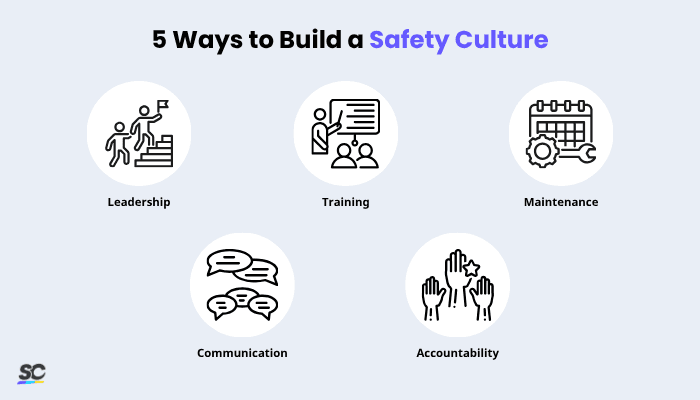
Leadership: Be a role model for everyone by wearing the correct Personal Protective Equipment (PPE) even when no one is watching, or attending safety briefings alongside your frontline workers.
Training: Safety training should be done regularly and updated with real incident case studies so it actually sticks.
Maintenance: Never skip preventive maintenance schedules no matter what so the proper equipment can be flagged when needed.
Communication: Make it a safe space to speak up where issues are reported and reviewed openly across the team, not quietly brushed aside.
Accountability: Safety protocols should apply to everyone equally even if someone has a clean safety record or is a top performer.
All industries need to promote and maintain a culture of safety, high-risk industries need it most urgently. In these environments, a single mistake by a high-performing overconfident worker won’t just endanger them, but also everyone else around them.
Some high-risk industries that need a culture of safety the most are:
You’d imagine a worksite where people operate heavy equipment 50 stories high with nothing but a harness between them and the ground is already dangerous enough. Getting complacent there is even more so. Research shows that 80 to 90% of serious construction injuries are caused by human error, and over 99% of all construction accidents are preventable.
When people think of a dangerous industry, agriculture rarely comes to mind. But research shows it is statistically the most dangerous sector in the US. Agriculture, forestry, fishing, and hunting has the highest fatal injury rate at 18.6 deaths per 100,000 workers, because of the unpredictable weather and animals. Overconfidence of high-performing workers can increase this risk.
Transportation is another obvious one, and it's not just the drivers who you need to look out for. Warehouse workers are equally at risk. Transportation and warehousing recorded 232,000 injury cases in 2024, the second highest of any industry in the US. These workers face constant deadline pressure, which is exactly the kind of environment where safety shortcuts get normalized.
While transportation and warehousing comes in second, nothing beats healthcare when it comes to total injuries and illnesses. In 2024, the industry recorded 308,000 cases driven by everything from respiratory illnesses to overexertion. The physical demands on nurses, caregivers, and medical staff are relentless, hence why those in this field are more likely to cut corners with safety. However, when you're working with patients who depend on you, there's no room for safety shortcuts.
Important notice
The information contained in this article is general in nature and you should consider whether the information is appropriate to your specific needs. Legal and other matters referred to in this article are based on our interpretation of laws existing at the time and should not be relied on in place of professional advice. We are not responsible for the content of any site owned by a third party that may be linked to this article. SafetyCulture disclaims all liability (except for any liability which by law cannot be excluded) for any error, inaccuracy, or omission from the information contained in this article, any site linked to this article, and any loss or damage suffered by any person directly or indirectly through relying on this information.


