Electric Vehicle Charging Best Practices: A Guide
A brief guide to the best practices for EV charging, the types of EV charging, and why teams need to pay close attention to how they charge their EVs.
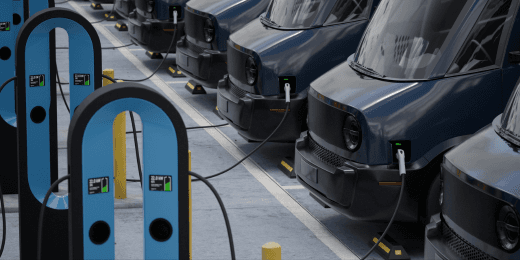
A brief guide to the best practices for EV charging, the types of EV charging, and why teams need to pay close attention to how they charge their EVs.
Published 17 Oct 2025
Article by
4 min read
Electric Vehicle (EV) charging best practices are guidelines that help ensure electric vehicles are charged safely, efficiently, and sustainably. They involve proper planning, system management, and adherence to safety and maintenance protocols to optimize charging performance. These practices also aim to reduce operational costs, extend equipment lifespan, and support broader sustainability goals.
Following EV charging best practices is important because they help organizations maintain consistent charging performance across their electric vehicle fleets, reducing downtime and operational disruptions. They ensure that charging infrastructure remains reliable and safe, preventing costly equipment failures or energy inefficiencies. By following best practices, EV fleet managers can also better track energy use, lower overall costs, and support environmental compliance goals.
When charging EV fleets, it’s important to understand that there are different types of charging. Each type of EV charging is designed for specific vehicles and comes with its own set of benefits and drawbacks. Here’s a quick look at all the types of EV charging:
Level 1 charging uses a standard 120-volt outlet and is the slowest method, typically adding about 3–5 miles of range per hour. It’s most suitable for overnight charging or small fleets with minimal daily driving needs. This option requires no special equipment, making it convenient but limited for large-scale fleet operations.
Level 2 charging operates on a 240-volt system and provides a faster charge, adding roughly 15–30 miles of range per hour. It’s commonly used in commercial and workplace settings where vehicles can be charged during off-hours, but sometime also utilized in residential communities. This level offers a balance between cost, speed, and accessibility, making it ideal for fleet management.
Direct Current Fast Charging (DCFC) bypasses the vehicle’s onboard charger and delivers direct current power at high voltage, enabling rapid charging—typically 80% capacity in 30–45 minutes. It’s suited for fleets with high utilization rates or long-distance operations. However, it requires specialized equipment and can be more expensive to install and maintain.
Ultra fast charging takes DCFC a step further by delivering even higher power levels, often 150 kilowatts or more, to achieve near-full charges in 15 to 20 minutes. This technology supports next-generation EVs and high-demand fleet applications. While it offers unmatched speed, it requires significant electrical infrastructure and may accelerate battery wear if used excessively.
Following the best practices when charging EVs brings many benefits to fleet managers. Aside from extending the life of the EV batteries, it also ensures more efficient fleet management.
Here are a few best practices teams should follow when charging their EV fleets:
Creating and implementing smart charging schedules helps organizations optimize when and how their electric vehicles are charged to reduce energy costs and grid strain. By scheduling charging during off-peak hours, fleets can take advantage of lower electricity rates and improve overall efficiency. This practice also helps ensure that all vehicles are ready for operation when needed without overloading the power system.
Standardizing charging infrastructure and implementing certificates with Plug & Charge requirements in ISO 15118 ensures consistency and compatibility across all fleet locations. It simplifies maintenance, improves scalability, and makes it easier for drivers to access charging stations regardless of site. This approach also supports better data collection and management, enabling more efficient operations.
Monitoring real-time energy usage with sensors, Internet of Things (IoT) devices, and telematics help fleet managers track charging station performance, identify inefficiencies, and optimize power consumption. Continuous data monitoring helps detect problems early and prevents costly downtime. It also provides valuable insights that support sustainability reporting and cost management.
Prioritizing preventive maintenance keeps both EVs and charging stations reliable, safe, and in optimal working condition. Regular inspections and maintenance reduce the risk of unexpected breakdowns and extend equipment lifespan. This proactive approach ensures consistent charging availability and minimizes repair costs.
Integrating charging management with fleet management software with asset management capabilities creates a unified system for overseeing both vehicle operations and energy usage. This integration enables better scheduling, route planning, and monitoring of vehicle readiness. It also enhances decision-making by providing comprehensive data on performance, costs, and sustainability metrics.
SafetyCulture is a mobile-first operations platform adopted across industries such as manufacturing, mining, construction, retail, and hospitality. It’s designed to equip leaders and working teams with the knowledge and tools to do their best work—to the safest and highest standard.
Streamline processes, eliminate bottlenecks, enhance resource utilization, and build an agile and scalable infrastructure with SafetyCulture. Strive for operational excellence to boost competitive advantage, foster sustainable growth, and deliver long-term value.
Save time and reduce costs
Stay on top of risks and incidents
Boost productivity and efficiency
Enhance communication and collaboration
Discover improvement opportunities
Make data-driven business decisions