A Guide to Proper Equipment Disposal
From e-waste recycling to furniture donation, discover safe, compliant, and eco-friendly ways to handle equipment disposal while protecting your brand.
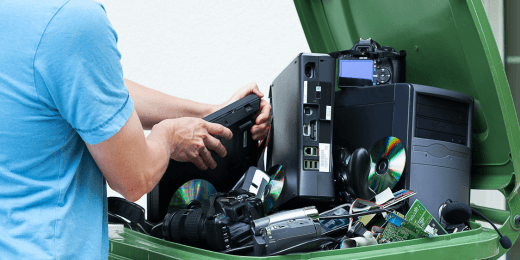
From e-waste recycling to furniture donation, discover safe, compliant, and eco-friendly ways to handle equipment disposal while protecting your brand.
Published 28 Apr 2026
Article by
6 min read
Equipment disposal is the planned and organized process of removing, decommissioning, or retiring physical assets. Once assets have reached the end of their useful life, become outdated, or no longer meet business needs, they can be handled in an environmentally responsible and legally compliant way, such as by being reused, resold, donated, recycled, or destroyed.
Historically, the process of decommissioning and disposing of equipment was often as simple as abandoning it in “junk” sites, dumping it in landfills, or burning it. However, the growing environmental awareness in the 1970s led to stricter regulations. Over the following decades, corporate commitments to sustainability expanded to include resource conservation.
Adopting responsible waste management systems offers numerous benefits to many companies, particularly those in retail. Appliance and electronics manufacturers cut costs and generate revenue by recycling valuable materials like copper and gold from old devices. A study has also found that most global consumers across generations are willing to pay more for sustainable brands, proving that this practice boosts brand reputation. Finally, this prevents hazardous waste from contaminating ecosystems, a sure-fire way to regulatory compliance.
Prolong the lifespan of your assets with regular maintenance and manage real-time inspections through a unified platform.
Choosing the right equipment disposal method is a strategic decision that impacts the company’s operations, financial efficiency, and sustainability goals. Understand each approach in this guide:
Common among electronics retailers, IT service providers, and corporate asset management teams, this entails refurbishing, reselling, or internally reassigning functional equipment.
An Australian man turned his garage startup into a national business for recycling and refurbishing e-waste. He sells most of the electronics, donates some to charities, and keeps all of it out of landfills.
This process breaks down equipment into raw materials for reprocessing. While this requires specialized handling and transport, its long-term benefits far outweigh the initial expenses.
The United Kingdom’s Royal Mint has invested in tech that recovers precious metals from discarded phones and laptops, then upcycles them into coins and jewelry.
Many IT conglomerates, educational institutions, and
Non-Governmental Organizations (NGOs) give still-usable equipment to non-profits, schools, and under-resourced communities. This greatly enhances a company’s social responsibility reputation, helping others while reducing its environmental impact.
Businesses or end-users can surrender old equipment in exchange for credit, discounts, or new items. This is one of the most common sustainability programs among tech, electronic, and appliance retailers today.
A popular consumer electronics company has kept millions of devices and appliances out of landfills by offering trade-in promotions in their shops and a home pick-up recycling service.
Corporate offices, construction firms, and medical facilities often lease equipment from the lessor and return it following inspection and refurbishment requirements. Aside from reducing upfront costs and ownership risks, this supports efficient asset management and sustainable goals.
Discarding equipment in the general waste stream is considered the last resort for irreparable or hazardous items. Almost all companies across sectors end up doing this when they have exhausted all alternatives.
When decommissioning and disposal via the landfill route is the only option, companies should follow a systematic process that begins with equipment assessment, all the way to documentation and monitoring. This ensures traceability and accountability, supporting ongoing environmental responsibility.
Outdated or unused assets pose security, financial, and compliance risks. Aside from ensuring the timely management of the company assets’ end-of-life, following a structured equipment disposal procedure is crucial for safe operations and sustainable practices.
Determine which equipment is obsolete, non-functional, or financially impractical to maintain to prevent wasting resources. Conducting regular audits and tracking the asset’s lifecycle helps flag equipment ready for decommissioning.
Build from scratch or choose from our collection of free, ready-to-download, and customizable templates.
Prevent the unauthorized removal of company property by submitting all disposal requests to the management, finance, or asset control teams. This process not only protects the company from theft or fraud but also upholds company policy, ensuring accountability within teams.
The company’s data management plan should also extend to equipment disposal. Leaks of sensitive information may cause regulatory breaches and reputational harm, especially when decommissioning IT hardware (e.g., Point-of-Sale (POS) terminals, network devices, back office computer systems).
Ensure that assets are properly removed and sent through the correct disposal channels (e.g., recycling, donation, resale, or landfill). These are some specific steps under this phase:
Disconnect and de-energize equipment, following proper Lockout/Tagout (LOTO) procedures to ensure worker safety from electrical hazards and accidental startups.
Segregate hazardous materials (e.g., refrigerants, oils, batteries) for specialized disposal.
Transfer equipment for the approved disposal method. Certified contractors may be required to carry out this work according to established standards and regulations.
Create an audit trail that supports compliance, liability protection, and financial reconciliation to uphold Environmental, Social, and Governance (ESG) and sustainability reporting. The following should be included in the report:
Serial numbers of decommissioned hardware
Decommissioning process
Final disposal method
Vendor (e.g., asset disposition specialists, transporters, certified recyclers) details
Updated registers and asset lists
Demonstrate adherence to corporate policies, environmental laws, and industry regulations by collecting certificates of destruction or recycling. This also reduces the risk of fines and other penalties.
Strengthen future disposal processes by identifying gaps, cost-saving opportunities, and sustainability wins. Adjust workflows based on post-disposal reviews from employee and vendor feedback.
Disposal in the retail sector can be a complex process, especially with equipment that ranges from IT systems to refrigeration units. Mishandling often leads to a loss of value, regulatory fines, and damage to a company’s reputation. Understanding these challenges is the first step toward preparing for them.
Stringent hazardous materials handling – Chemicals in equipment can be dangerous once released into the environment. Aside from employee training and using external licensed disposal contractors, conduct comprehensive waste audits to understand the waste and its components.
High disposal costs – Transportation, certified disposal services, and storage of obsolete assets can inflate costs. Start by managing all the company’s assets in a centralized repository, including value recovery methods for each item to offset these expenses.
Critical data security risks – Improperly disposing of old IT equipment is a major risk for data breaches. Utilize asset trackers to know which require data wiping or physical destruction of storage devices to prevent this potential compliance problem.
SafetyCulture is a mobile-first operations platform adopted across industries, such as manufacturing, mining, construction, retail, and hospitality. It’s designed to equip leaders and working teams with the knowledge and tools to do their best work—to the safest and highest standard.
Streamline every step in the disposal process, from LOTO safety checks to hazardous material segregation by tracking and managing assets across their life cycle. Strengthen accountability and value recovery through comprehensive documentation, creating a clear audit trail for sustainability and regulatory compliance. Ensure every piece of retired equipment is securely decommissioned and disposed of responsibly through the help of a unified platform.
✓ Save time and reduce costs ✓ Stay on top of risks and incidents ✓ Boost productivity and efficiency ✓ Enhance communication and collaboration ✓ Discover improvement opportunities ✓ Make data-driven business decisions