Importance of Using a Checklist for Food Cooling
When hot food is not cooled properly or within the recommended time frames, it can enter the temperature “danger zone” where bacteria multiply rapidly, increasing the risk of foodborne illness. Using a checklist helps kitchen staff monitor cooling times, temperatures, and storage methods according to safe food handling practices.
A checklist also promotes accountability and documentation, making it easier to verify compliance with food safety standards and regulations. By standardizing the cooling process, a checklist reduces human error, improves efficiency, and protects both the customers’ safety and the food business’s reputation.
What to Include in a Food Cooling Checklist
A food cooling checklist can be tailored to meet different business needs, but it should include core elements such as:
General safety rules
This section of the checklist outlines the food safety requirements and regulations. It can be patterned using guidelines set by governing bodies such as the Food and Drug Administration (FDA) and serve as a reference for staff during inspections. Having this section ensures that safety is the top priority when conducting food cooling procedures.
Cooling methods
Once safety rules have been defined, a checklist should also have a dedicated section for the cooling method to be used. This section is used to document the quantity or batch of food undergoing the cooling process to keep a comprehensive record on hand.
Temperature monitoring
Another important section to include is for temperature monitoring. After cooking, the staff can document the starting temperature and the time cooling begins. The checklist typically includes required temperature targets, helping staff quickly determine whether the food is cooling properly or entering the temperature danger zone.
Storage verification
The last step of food cooling typically involves storage, which is why it is also a key element of this checklist. After monitoring and recording that the food has met the required cooling limits, staff use the checklist to verify that items are placed in appropriate refrigeration units set at the correct temperature to prevent food spoilage.
How to Use a Food Cooling Checklist
To maximize the benefits presented by a food cooling checklist, it’s important to know how to fill it out correctly. Here is a quick guide:
Fill out the inspection details on the title page, including the inspector’s name, the date of the inspection, and the location where the cooling process takes place.
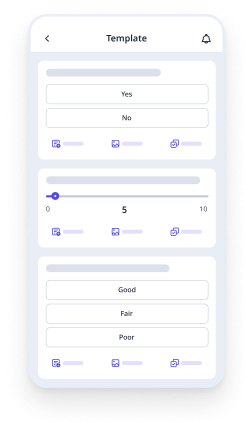
Go through the checklist’s sections and answer the applicable questions. A checklist like this usually covers sections such as temperature monitoring, cooling batches, food sanitation, and storage checks.
Attach photos and annotations to provide full context. This also helps supervisors and other stakeholders understand issues being reported.
Assign corrective actions for any identified issues to streamline risk management and define task ownership.
Complete the checklist with a sign-off and approval from the supervisor.
Sample Food Cooling Report
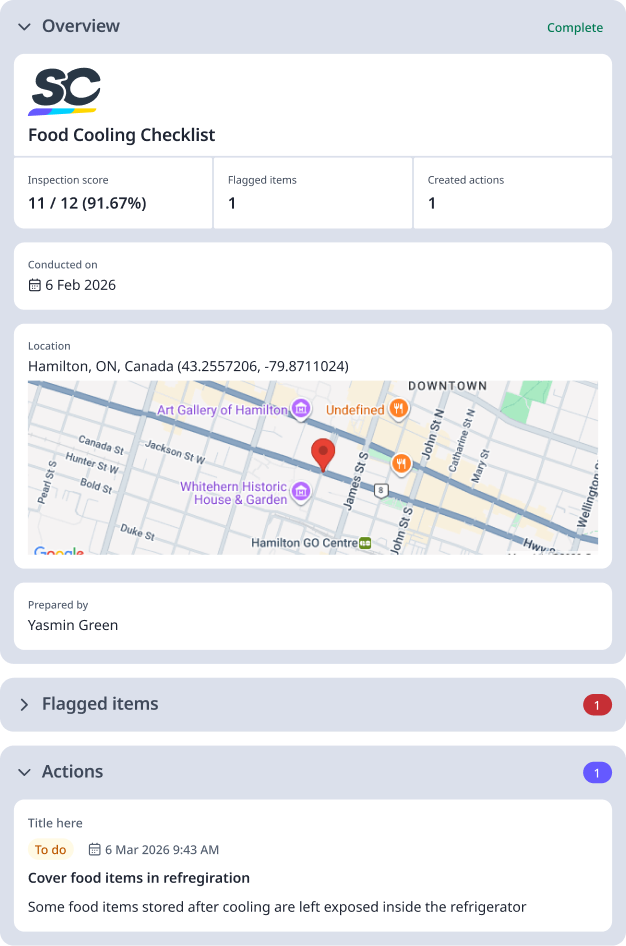
For reference, here is an example of a filled-out food cooling checklist report:
Sample Food Cooling PDF Report