
Published 28 Feb 2024
Article by
5 min read
What is an EHS Audit?
An Environmental Health and Safety (EHS) audit is a document that helps inspectors and managers evaluate a specific environment to ensure compliance with EHS laws and work safety. An EHS audit often comes in a checklist form for easier inspections and can be modified to fit specific industry needs.
Importance of Having an EHS Audit
The main benefit of having an EHS audit is ensuring and improving health and safety protocols in the workplace. There are also other benefits from running an EHS audit such as:
Making work more cost-efficient : Having a safe working environment reduces the risk of injury, highlights new work opportunities that may not have been possible before, and uncovers opportunities to improve processes and increase revenue or lower expenditures (e.g., using paper documents rather than digital ones).
Improving communication and information dissemination: An EHS audit also outlines the safety protocols to be followed, and everyone must be aware of them.
Making it easier to be ISO 14001-certified : One of the requirements of this standard is for a business to demonstrate its initiatives to maintain, assess, and improve its environmental impact.
An EHS audit is essential in ensuring and maintaining safety in the workplace. In the US, the Occupational Safety and Health Administration (OSHA) and the Environmental Protection Agency (EPA) specifically require this as part of their regulations on promoting a safe workplace for all. A company with a high EHS audit score also shows the government that they prioritize safety and are taking the initiative to do so.
Additionally, having an EHS audit is also helpful outside of the US. With an EHS audit, a company or organization can help keep their workers out of danger and avoid legal risks or repercussions by making sure they:
wear the appropriate protective gear;
know the proper emergency procedures and Standard Operating Procedures (SOPs) ; and
report any issues they might encounter on the job that endanger their health and safety.
Regulations and Standards Covered in an EHS Audit Checklist
1. Core OSHA Safety and Health
OSH Act General Duty Clause (Section 5(a)(1)): overall obligation to provide a workplace free from recognized hazards.
29 CFR 1910 (General Industry Standards), especially:
Subpart D: Walking‑working surfaces (slips, trips, falls)
Subpart E: Exit routes and emergency action plans
Subpart I: Personal Protective Equipment (hazard assessment, PPE, training)
Subpart O: Machinery and machine guarding
Subpart S: Electrical (safe installations, guarding live parts)
29 CFR 1904 (OSHA 300/300A/301): For OSHA injury and illness recordkeeping
2. High-Risk Tasks and Procedures
29 CFR 1910.147: Control of hazardous energy (for lockout/tagout procedures)
29 CFR 1910.146: Permit requirements when working in confined spaces
29 CFR 1910.252: For hot work (e.g., welding, cutting, and brazing)
29 CFR 1910.28, 1910.29, and 1910.30: Relevant sections cover fall protection at heights and work at heights training
29 CFR 1910.119: Covers process safety management if threshold chemicals are present at work
29 CFR 1910.120: Hazardous waste operations or emergency response (HAZWOPER)
3. Hazard Communication and Chemical Safety
29 CFR 1910.1200: Hazard communication standards (labels aligned with the Global Harmonized System, aka GHS, safety data sheets, written program, training).
49 CFR Parts 171–180: Department of Transportation (DOT) HAZMAT regulations for companies shipping or receiving hazardous materials
Emergency Planning and Community Right-to-Know Act (EPCRA) 311/312/313: Regulations on hazard communication, chemical inventory, and toxic release inventory reporting.
4. Equipment, Vehicles, and Maintenance
29 CFR 1910.178: Inspections, operations, and training on powered industrial trucks, such as forklifts.
29 CFR 1910.179: Operation of overhead cranes, hoists, and rigging (also includes related crane/hoist provisions, plus applicable ANSI/ASME standards)
29 CFR 1910 Subpart P: Use of hand and portable powered tools
5. Environmental Safety
Resource Conservation and Recovery Act: Checks for waste identification, container condition and labeling, satellite/main accumulation areas, manifests, training, and inspection records
Clean Water Act: Review of wastewater/stormwater permits, discharge limits and sampling data, secondary containment and spill controls, and the implementation of any Stormwater Pollution Prevention Plans
Clean Air Act: Verification of permits, emission inventories, control equipment (e.g., scrubbers, filters), monitoring, recordkeeping, and visible/fugitive emissions controls
Oil Pollution Act: Validation of up-to-date spill prevention/response plans, secondary containment, response equipment, training and drills, and spill reporting documentation.
20 CFR Part 112: Confirmation of applicability, presence, and certification of the SPCC Plan, tank integrity testing, secondary containment (dikes, double walls), inspection logs, and spill history/corrective actions
6. Management System
ISO 45001: For Occupational Health and Safety Management Systems
ISO 14001: For Environmental Management Systems
What Does an EHS Audit Checklist Template Include?
EHS audit checklists make it easier for inspectors and managers to track all regulations they must comply with, along with the tasks, risks, and hazards their employees face. Having an EHS audit checklist can also enable employees to conduct their own inspections, empowering them to report issues and address them as needed.
A typical EHS audit checklist will have:
Details on emergency exits and alarms, such as fire alarms
Contingency plans for different emergencies and hazards
A guide on the proper health standards to follow, specific to the work environment
Legal rules and regulations that need compliance, where applicable
An evaluation of waste and water management processes
Assessment of electrical wiring, plumbing, equipment, and possible hazards that can be encountered on the job
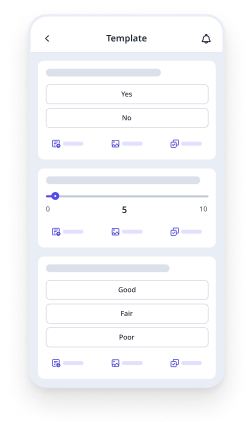
A templated EHS audit checklist will also help. Using a templated checklist saves inspectors time, as it not only provides a clear idea of what to check at each inspection but also helps them manage compliance and spot errors or anomalies in their workplaces. Having a detailed EHS audit checklist template also makes it easier to compile audits in one place and review them later, especially if they are done digitally.
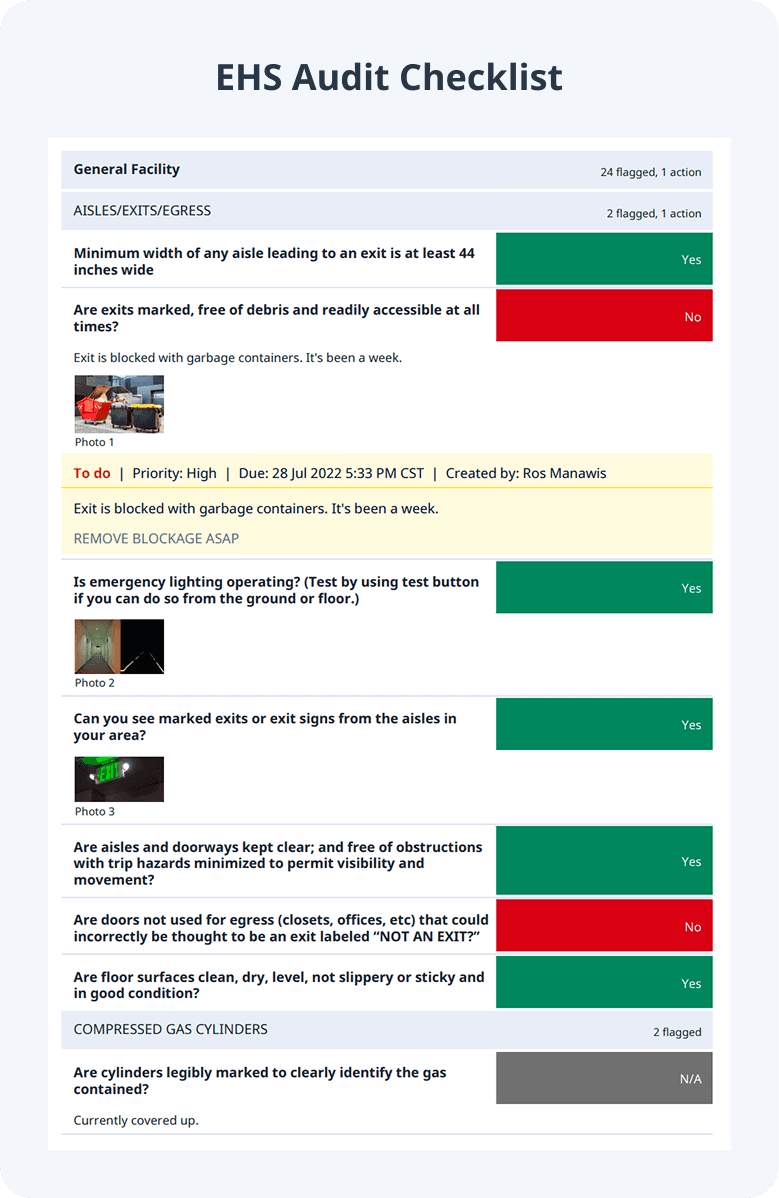
Sample EHS Audit Report
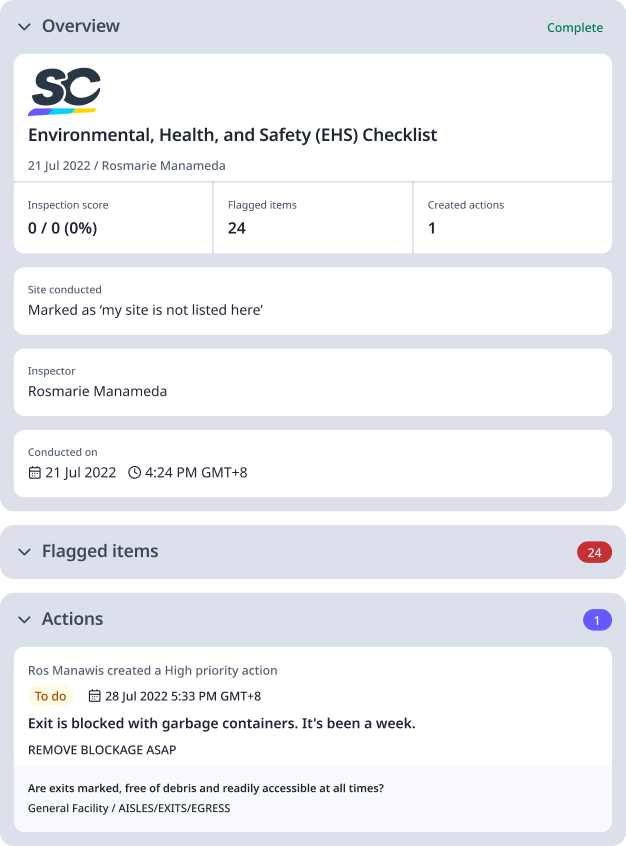
Below is a sample report of a completed EHS audit checklist:
Preview Sample EHS Audit Checklist PDF Report
How Byblos Constructions Enhanced Their Safety Checklists

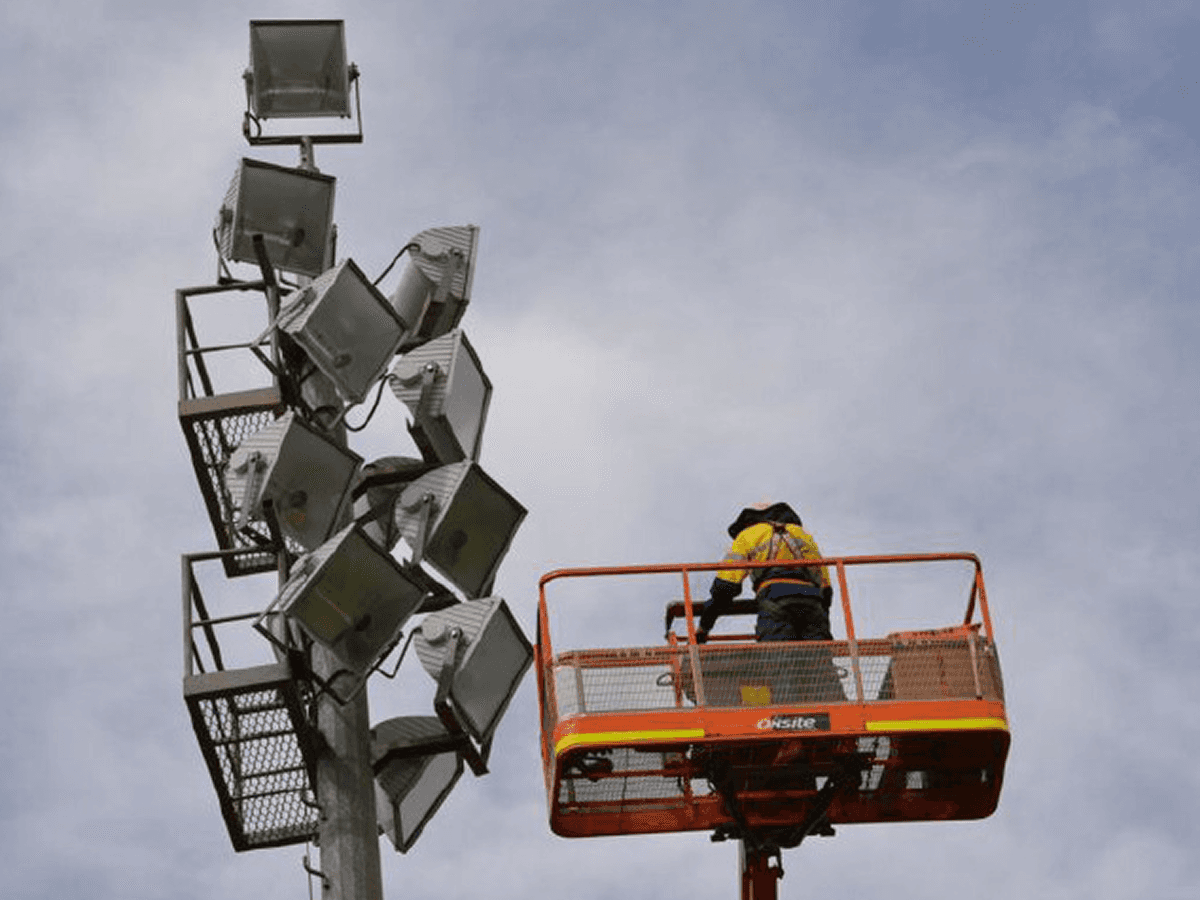
Byblos Construction digitized safety checklists, compliance checks, and risk assessments with SafetyCulture, letting teams quickly notify leaders of risks for faster action and fewer blind spots. This improved risk management, communication, and visibility for safer job sites.

Still looking for a checklist?
Search, filter, and customize 60,000+ templates across industries and use cases.