
Industry Insights
Taking Stock: 5 industry experts on how to rebuild better after the pandemic
Share article
Gain insights from industry leaders on rebuilding resilient businesses post-pandemic
Learn about innovative strategies for operational recovery, workforce engagement, and digital transformation
Discover actionable steps to future-proof your organization against ongoing and emerging challenges
If another pandemic prediction piece is the last thing you need, you're in the right place.
We get it.
The world is awash with predictions owing to the pace and breadth of change in recent years. So we decided to go straight to the source — industry leaders in the thick of it, handling every hurdle and putting in the hard yards. We asked them….
What new processes did you create in Covid that will continue long after the pandemic? And what is the biggest opportunity you see for positive change?
What we learned was a little different to what you might think.
A common theme emerged. It wasn’t so much about hypothesizing about what the future holds but instead appreciating how organizations had changed for the better. The pandemic stripped back bureaucracy and forced businesses to innovate at a speed that was previously unthinkable — simply because there was no other choice.
As we move towards endemicity, there’s no time like the present to pause and take stock. Here’s a look back—and a lens on what’s next.
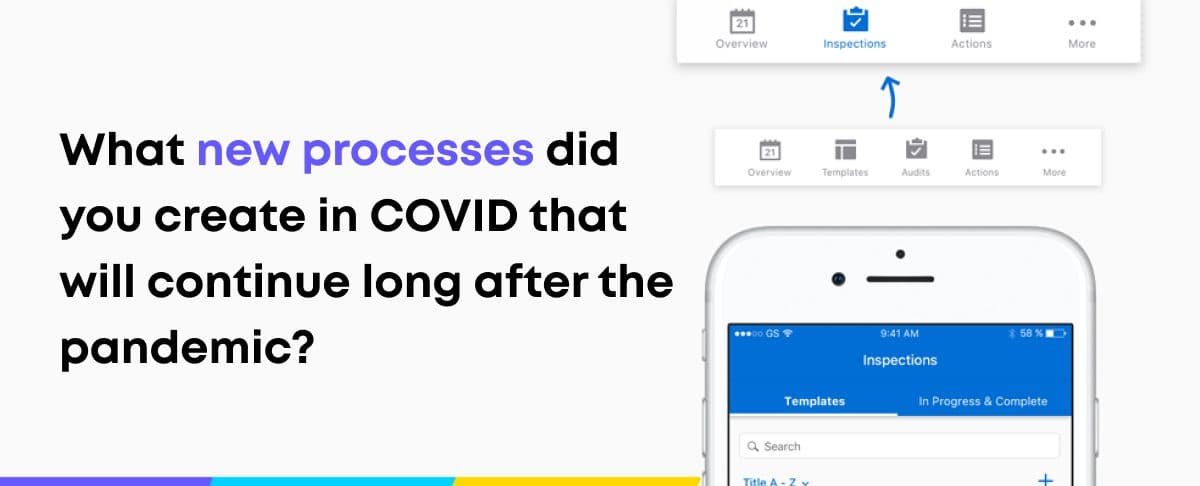
Early in the pandemic, one thing became clear — the acceptance of technology and innovation across industries and geographies was mission critical. Those companies that had invested in digital transformation found themselves in a much better position. The mechanisms of the Fourth Industrial Revolution were accelerated and post-pandemic we are in a unique position to drive digitization even further.
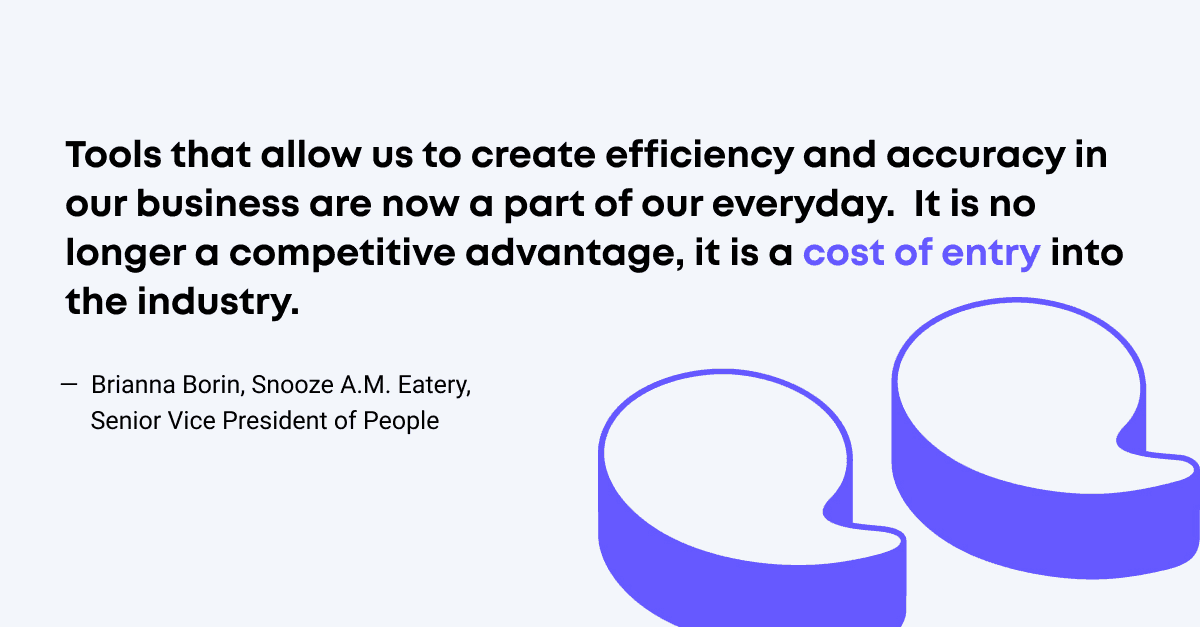
“Restaurants have been notoriously behind within the technology use realm. When Covid hit, the majority of restaurants had to shift overnight to the use of technology as a way to communicate and connect with our guests. Although that shift happened fast and caused many disruptions, it moved us forward by about 10 years as an industry. Tools that allow us to create efficiency and accuracy in our business are now a part of our everyday. It is no longer a competitive advantage, it is a cost of entry into the industry. The use of technology will also allow us to attract the next generation of employees which is a solution to the talent demand. Tools provided by SafetyCulture are amongst some of the greatest tools out there that aid restaurants in creating a strong technology platform.”
— Brianna Borin, Snooze A.M. Eatery, Senior Vice President of People
In dynamic work environments, where circumstances change in the blink of an eye, speed is a competitive edge. Businesses big and small were forced to think on their feet. Differentiating between fast and rash became a key skill in the pandemic when revamping business strategies.
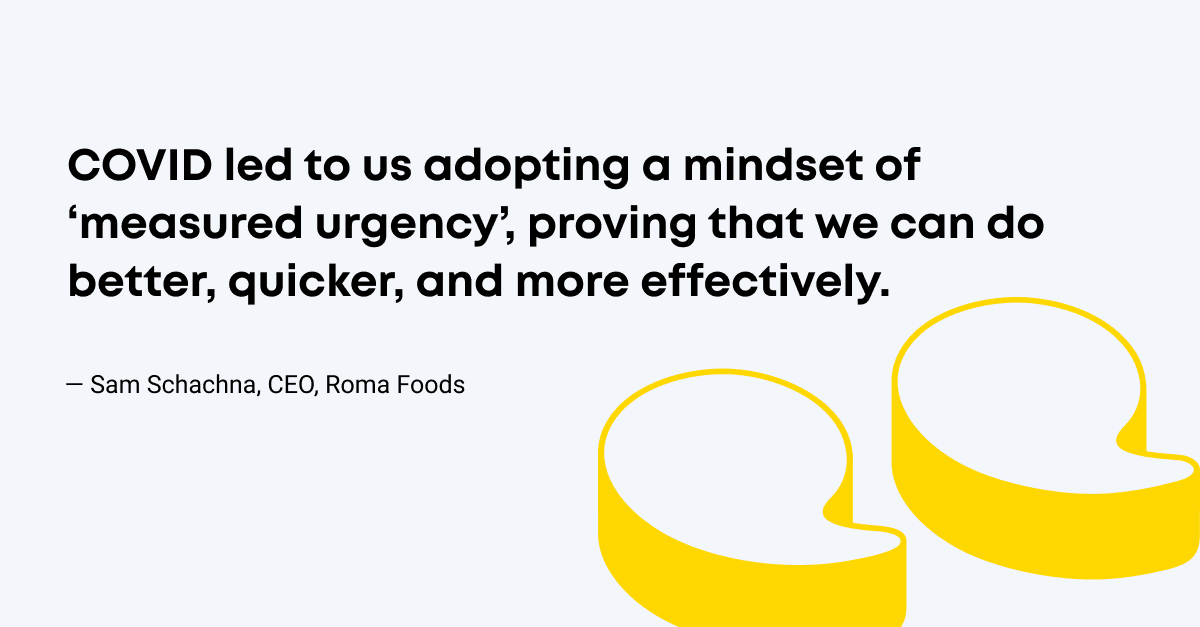
“COVID has sparked a renaissance in the local food manufacturing sector, and Roma Foods is fortunate to be riding this wave. With ever-changing government regulations and market dynamics, COVID led to us adopting a new mindset of ‘measured urgency’, proving that we can do better, quicker, and more effectively. To achieve this, Roma defined a new business strategy to meet the needs of the ever-growing health shopper, launching over 25 new products into the health and mainstream aisles and adopting new technology improvements such as digitizing workflows to empower our journey of growth and innovation whilst ensuring our priority remains on safe people, safe product and safe data.”
— Sam Schachna, CEO, Roma Foods
The world of work is constantly changing – and for many, the pandemic-induced acceleration has caused major shifts in how their organization, or their industry as a whole, conducts itself. Organizations need systems for learning and communication that could easily adapt to in-person, hybrid, and remote working environments. Finding innovative ways to plan and collaborate while social distancing is probably one of the biggest opportunities that have come out of the pandemic. Businesses were forced to reevaluate how they worked — and worked together.
“Sydney Metro has done a great job adapting to the impacts of the pandemic. The health and safety of our people was at the forefront of our minds, this resulted in new initiatives and processes. Monday afternoons (3-5pm) became meeting free to give people time and space to think and do rather than continually be in online meetings. Collaboration spaces were created on Microsoft Teams to minimise email traffic, encourage discussion and sharing.”
— Louise Howard, Deputy Executive Director Health & Safety, Sydney Metro
“It’s typical for large groups of people to meet in small spaces, such as a job trailer or conference room, on a daily basis in order to plan work and coordinate efforts. Virtual meeting spaces, collaborative planning tools and automated documents and workflows have become more common and people are finding new opportunities on a regular basis to streamline previous manual processes. These innovations have reduced downtime and travel costs and improved quality and efficiency.”
- Kevin Gausch, CEE, SafetyCulture
There’s been a worldwide trend in the appreciation of a certain leadership style —the conscientious kind. Ones that prioritize public health and safety procedures and embed them in day to day processes have reaped the rewards throughout the pandemic.
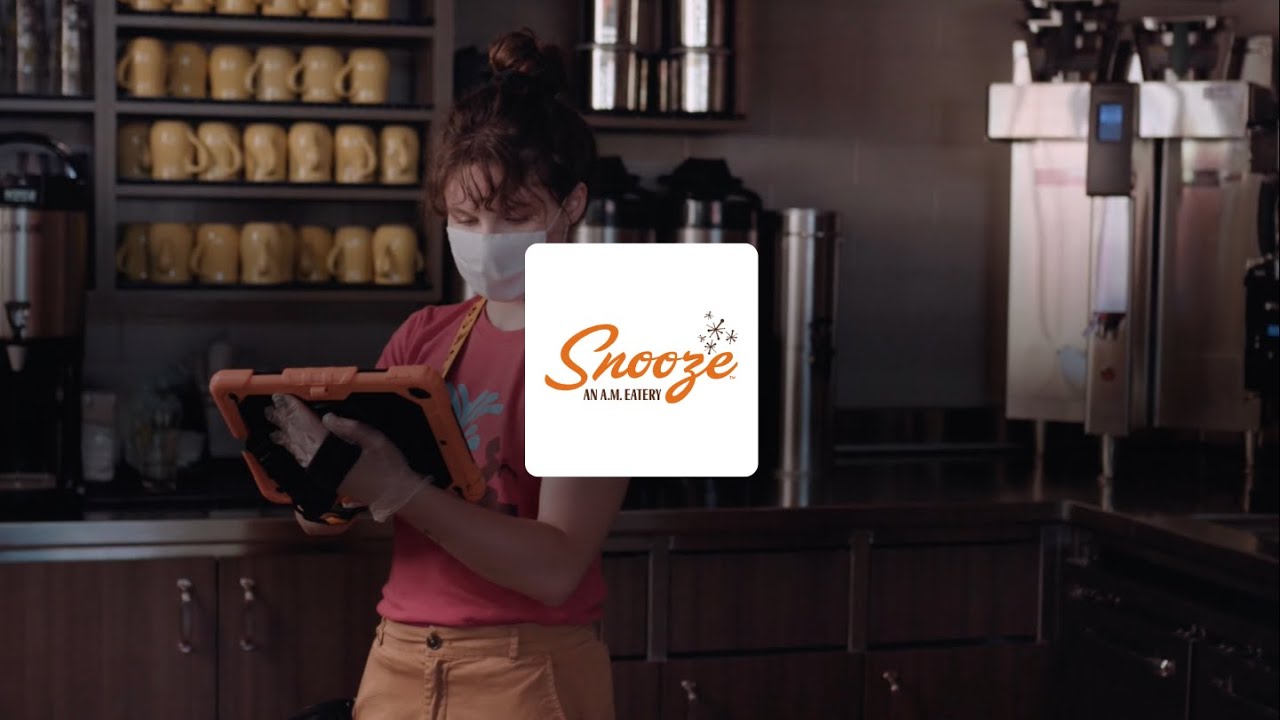
“We have created so many new practices during Covid that have been welcome changes within the hospitality industry. An awareness around safety and health is a big one for an industry that had the mentality of “the tougher the better”. We rolled out a significant digital daily wellness check processes that continue to serve us well in regard to keeping our guests and Snoozers safe.”
— Brianna Borin, Snooze A.M. Eatery, Senior Vice President of People
“The top focus in the aviation industry is trying to restore customer interest in a safer product that has a lower risk of infectious disease transmission. Adding HEPA filters to the aircraft, requiring mask-wearing in the aircraft cabin, providing hand sanitizer and wipes onboard, and enhancing all of the cabin cleaning services through the use of more effective chemicals and robust cleaning checklists and covid prevention strategies.”
— Kevin Crowley Howard, Sr. Analyst; Ground Safety Programs – CQA/ASQ, JetBlue
More opportunities for positive change lie ahead, but only if we pay attention to the problems laid bare by the pandemic. One issue we see rapidly gaining ground is The Great Resignation. Some may think that The Great Resignation is a byproduct of the pandemic. Yet research shows that employee turnover has been on the up for the past decade. New or not, it’s a timely reminder that the market moves quickly and organizations need to pay attention — and look for ways to tap into new talent pools.
Important notice
The information contained in this article is general in nature and you should consider whether the information is appropriate to your specific needs. Legal and other matters referred to in this article are based on our interpretation of laws existing at the time and should not be relied on in place of professional advice. We are not responsible for the content of any site owned by a third party that may be linked to this article. SafetyCulture disclaims all liability (except for any liability which by law cannot be excluded) for any error, inaccuracy, or omission from the information contained in this article, any site linked to this article, and any loss or damage suffered by any person directly or indirectly through relying on this information.


