Effective Hazardous Waste Management for Retail Stores
Understand the types of hazardous waste generated in retail and how to implement safe, compliant handling and disposal procedures.
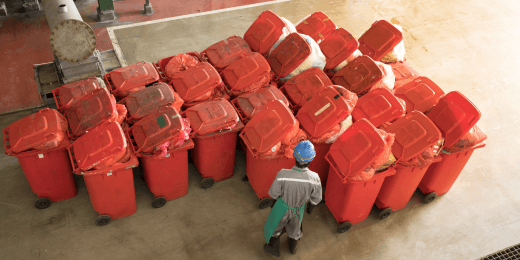
Understand the types of hazardous waste generated in retail and how to implement safe, compliant handling and disposal procedures.
Published 5 May 2026
Article by
7 min read
Hazardous waste management for retail stores refers to the systematic identification, segregation, storage, and disposal of regulated waste streams, such as flammable, corrosive, reactive, and toxic substances. A legal requirement in many regions, retail companies must implement waste profiling and manifest tracking to avoid penalties and support environmental sustainability goals.
Many don't realize that retail stores generate significant amounts of hazardous waste from everyday items, like batteries, cleaning agents, leftover paint, and aerosols. Given the volume produced by this sector annually, implementing an effective waste management system is critically needed.
Protects employee and customer safety - Corrosive cleaners or flammable products pose risks of burns, poisoning, or respiratory issues. Effective management minimizes exposure and reduces the likelihood of accidents in the workplace.
Enhances environmental protection goals - Retail hazardous waste can contaminate soil, water, and air, harming public health and ecosystems. Responsible handling and disposal support sustainability goals, which is important for retailers these days.
Improves operational efficiency and higher cost savings -Organizing waste systems lowers disposal costs and avoids penalties from noncompliance. It can even create savings through recycling programs.
Guarantees regulatory compliance - Local, state, and federal laws governing hazardous waste are becoming increasingly stringent worldwide. Adherence to these rules avoids expensive penalties, complex remediation, and potential legal action.
Strengthens brand image - Modern consumers favor businesses that prioritize sustainability and ethical practices. Demonstrating a strong commitment to this builds customer trust, positioning the retailer as a responsible community player.
Hazardous retail wastes often hide in plain sight. Identifying and understanding these is crucial because recognizing hazards is the first step to controlling them. These are some of the most common and effective retail hazardous waste removal methods for each:
Degreasers, disinfectants, and thinners are commonly used in maintaining retail spaces. Due to their flammable, corrosive, or toxic properties, these must be stored in labeled and sealed containers before disposing of them through licensed hazardous waste contractors.
Damaged or expired over-the-counter medications, cosmetics, and personal care products can contaminate waterways and harm wildlife. Drugs may also be resold and misused. These should be returned to suppliers by following the pharmaceutical take-back programs, instead of being discarded with general trash.
Used batteries (e.g., lithium, alkaline, lead-acid) are widely present in electronics stores and supermarkets. These should be collected in dedicated e-waste bins and then sent to processing centers to prevent heavy metals and corrosive substances from leaking into soil and groundwater.
Insecticides, herbicides, and pesticides sold in hardware, home improvement shops, and garden stores have toxic properties that can pollute soil and water systems, then poison humans and animals. These should be kept in original containers, secured from food items, and disposed of through hazardous waste collection programs.
Fluorescent tubes and compact fluorescent lamps (CFLs) contain highly toxic mercury. Found in all retail spaces as part of lighting systems or sold as products, these must be packaged carefully to prevent breakage and recycled through specialized recovery programs.
In retail, environmental regulations and worker safety are intrinsically linked. Proper hazardous waste management is crucial, as it directly protects workers from exposure to harmful substances. Compliance is non-negotiable, as mandated by the following laws:
The Resource Conservation and Recovery Act (RCRA) of the US governs the cradle-to-grave management of waste. One of the strictest mandates, noncompliance can result in civil and criminal penalties, often amounting to millions of dollars.
Occupational Safety and Health Administration (OSHA) Standards in the US uphold workers' safety by requiring proper labeling and storage of hazardous substances through the Hazard Communication Standard. Penalties range from fines per violation to potential shutdowns for severe cases.
Environmental Permitting and Waste Duty of Care in the UK mandates businesses to store, transport, and dispose of waste at authorized facilities. Business owners may be imprisoned for serious offenses.
The Australian Dangerous Goods Code and Environmental Protection Laws regulate the classification, packaging, and transport of hazardous materials. Incredibly strict when it comes to logistics, the agency can suspend the operations of violators.
The European Union Waste Framework Directive establishes principles for waste prevention, reuse, and safe disposal. Guided by the "polluters pay" principle, parties responsible for producing hazards bear the heavy costs of managing them.
The Canadian Environmental Protection Act (CEPA) controls hazardous wastes and recyclables, including import and export. The law is stringent, enforcing large fines, imprisonment, or both for repeat offenses.
Retailers often struggle with stringent environmental regulations because of the sheer variety of products they sell or use. Adopting these best practices is essential to avoid costly missteps and potential accidents.
Determine the hazard profile of all waste streams (e.g., flammable, toxic, corrosive) to manage them according to their risk. Safety Data Sheets (SDS) are a useful guide, reducing errors and ensuring compliance.
Marking containers with correct hazard symbols and keeping accurate records prevents accidents and enables compliance tracking. Waste management software solutions can automate tasks like label printing, routine inspections, and documentation.
Keep hazardous wastes separated by type and secure them in suitable containers to prevent dangerous reactions and limit exposure. Retailers with limited storage space can optimize their facilities through proper organization.
Providing staff with knowledge on handling hazardous waste ensures consistent practices despite high turnover. Offer regular workshops, refreshers on waste management protocols, and online training courses to identify, plan for, and reduce knowledge gaps.
Conduct scheduled checks on waste storage, labeling, and disposal to identify issues before they escalate into violations or safety incidents. Leveraging compliance monitoring solutions that offer digital audit tools and inspection checklists can streamline these recurring tasks.
Finding ways to minimize waste from the source and recover recyclables lowers disposal costs and the company's environmental footprint. Here are some specific ideas for hazardous waste reduction in retail:
Electronic shops - Offer take-back programs, allowing customers to return old gadgets, batteries, or accessories.
Clothing stores - Provide in-store textile recycling bins where customers can drop off old garments for reusing or upcycling.
Grocery or supermarkets - Partner with food banks to donate near-expiry but safe food or bring unsellable organics to composting or biodigestion facilities.
Home improvement depots - Offer return-to-store programs for unused or expired paints, pesticides, or fertilizers, then pass them on to certified contractors.
Expert waste handling is an essential investment, not just an added cost. Partnering with certified contractors for collection and disposal is mandatory to ensure hazardous waste is managed legally and safely, protecting the company from liability.
SafetyCulture is a mobile-first operations platform adopted across industries such as manufacturing, mining, construction, retail, and hospitality. It’s designed to equip leaders and working teams with the knowledge and tools to do their best work—to the safest and highest standard.
Automate waste handling activities, from tracking waste streams to scheduling pick-ups with certified partners. Reduce the risk of noncompliance by centralizing data for inspections, safety data sheets, and regulatory reporting. Protect employees, the general public, and the environment by promoting safer waste handling practices through a unified platform.
Save time and reduce costs
Stay on top of risks and incidents
Boost productivity and efficiency
Enhance communication and collaboration
Discover improvement opportunities
Make data-driven business decisions
In this article