A Guide to Disaster Preparedness Training
Learn what disaster preparedness training is, its key objectives, and different approaches to creating comprehensive training plans for the whole team.
Learn what disaster preparedness training is, its key objectives, and different approaches to creating comprehensive training plans for the whole team.
Published 27 Apr 2026
Article by
6 min read
Disaster preparedness training equips teams and individuals with the knowledge and skills needed to reduce the risk of natural and man-made disasters. These programs are designed to instill a culture of safety across organizations and ensure a proactive approach to reducing risk during disasters. It’s essential for teams as it increases individuals’ overall preparedness in the event of a disaster.
Disaster preparedness training aims to reduce the risk that individuals and groups face during both natural and man-made disasters. Disasters such as storms, earthquakes, and wars have a profound social and economic impact, as shown by the UN’s Global Assessment Report, which estimates that they cost the world $2.9 trillion annually.
This is why disaster preparedness is growing increasingly important, and why more organizations must ensure that they provide it. That said, there are other objectives for providing disaster preparedness training, which we get into below.
Participants will be able to recognize the types of disasters most likely to affect their area and the risks they pose to people, property, and operations. Training builds awareness of early warning signs, alerts, and triggers that signal when an incident may occur. This helps individuals act sooner and make safer decisions under pressure.
Training defines who is responsible for what before, during, and after an emergency to reduce confusion and delays. It explains command structures, reporting lines, and coordination with internal teams and external responders. Clear roles improve communication and ensure actions are organized and effective.
Drills and exercises reinforce evacuation routes, shelter locations, and response procedures. Practice builds muscle memory, reducing panic and improving response speed during real incidents.
Disaster preparedness training helps organizations maintain critical functions during disruptions. It prepares staff to protect essential assets, data, and services while minimizing downtime. Effective training also accelerates recovery by ensuring teams know how to resume operations safely and efficiently.
The way organizations handle disaster-preparedness training can differ depending on the team’s location, the types of disasters they are likely to face, and other critical factors. Here’s a quick look at the different types of training organizations can provide.
This training provides a basic understanding of emergency procedures, hazards, and safety expectations for all participants. It focuses on recognizing risks, knowing how to report incidents, and understanding general response actions. Foundational training ensures everyone shares a common baseline of preparedness.
Role-based training is tailored to specific responsibilities such as emergency coordinators, floor wardens, or response team members. It covers detailed tasks, decision-making authority, and coordination requirements for each role. This approach ensures individuals are confident and competent in their assigned functions.
Hazard-specific training addresses the unique risks of particular disasters such as fires, floods, earthquakes, or chemical releases. It teaches targeted prevention measures and response actions like fire evacuation routes, flood barrier setup, earthquake drop-and-cover techniques, or chemical spill containment using PPE
Inclusive training ensures that preparedness activities consider people with disabilities, language barriers, and other access or functional needs. It emphasizes accessible communication, assistive technologies, and inclusive evacuation or sheltering strategies.
While most disaster preparedness plans are created uniquely to the organization’s needs, employees, and other factors, there are some steps that all teams must take when creating their training programs. Following these steps ensures that the team covers all the bases and employees have all the knowledge they will need to reduce disaster risks.
Using digital checklists helps teams consistently and thoroughly assess risks across locations, processes, and populations. The results ensure training content is relevant, prioritized, and risk-based.
Different groups require different levels and types of preparedness training. This step defines who needs training and what knowledge or skills they must gain. Clear learning objectives guide content development and make training outcomes measurable.
Training should align directly with existing emergency response and business continuity plans. This integration ensures participants practice the same procedures they will use during real incidents.
Here are some of the ways teams can deliver their training programs to employees.
These sessions provide in-person guidance from experienced instructors, allowing for interactive discussions and immediate feedback. They are ideal for building foundational knowledge and fostering team communication during training.
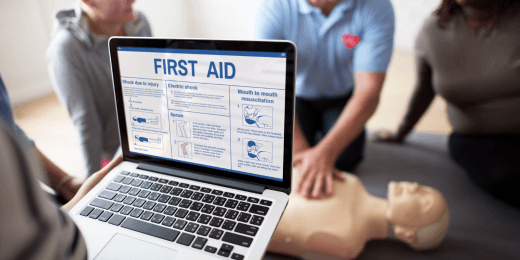
Online first aid courses and blended programs combine digital courses with optional in-person components, offering learners the flexibility to complete training at their own pace. They enable consistent content delivery across multiple locations and can include quizzes, videos, and interactive modules.
These hands-on methods let participants practice emergency procedures in realistic scenarios, from discussion-based exercises to full operational simulations. They help teams identify gaps, improve coordination, and build confidence in actual response situations.
Aside from providing disaster preparedness training, teams must measure their effectiveness to find areas of improvement. Here are some approaches teams can take to evaluate their training effectiveness and find ways to enhance it for their team.
These methods assess whether participants understand key concepts and can apply them in realistic scenarios. Knowledge checks, such as quizzes, test comprehension, while drills, and performance evaluations, observe practical skills under controlled conditions. Together, they highlight gaps and reinforce correct behaviors before a real emergency occurs.
After-action reviews evaluate responses to drills, exercises, or actual incidents to identify strengths and weaknesses. They involve structured discussions, documentation of findings, and recommendations for improvement. Lessons learned from these reviews help refine procedures and make future training more effective.
Refresher training reinforces knowledge and skills over time, helping teams stay prepared. Continuous improvement cycles use feedback from drills, audits, and reviews to update content, procedures, and methods. This ongoing process ensures training remains current, relevant, and aligned with evolving risks.
SafetyCulture is a mobile-first operations platform adopted across industries such as manufacturing, mining, construction, retail, and hospitality. It’s designed to equip leaders and working teams with the knowledge and tools to do their best work—to the safest and highest standard.
Streamline processes, eliminate bottlenecks, enhance resource utilization, and build an agile and scalable infrastructure with SafetyCulture. Strive for operational excellence to boost competitive advantage, foster sustainable growth, and deliver long-term value.
✓ Save time and reduce costs
✓ Stay on top of risks and incidents
✓ Boost productivity and efficiency
✓ Enhance communication and collaboration
✓ Discover improvement opportunities
✓ Make data-driven business decisions
In this article