
- Home
- Forrester Study: The Improvement Paradox
Forrester Reactive Stage

What your results signal
Your score shows you’re in the early stage of embedding improvement into daily work.
Issues are raised. Leaders step in. Effort is visible.
But execution isn’t consistent.
As highlighted in The Improvement Paradox, a study conducted by Forrester Consulting on behalf of SafetyCulture¹, improvement rarely fails because people don’t care. It fails when the system doesn’t reinforce action.
Where to focus now
At the Reactive stage, the priority is stabilization, not sophistication.
The goal isn’t more activity, it’s consistent execution.

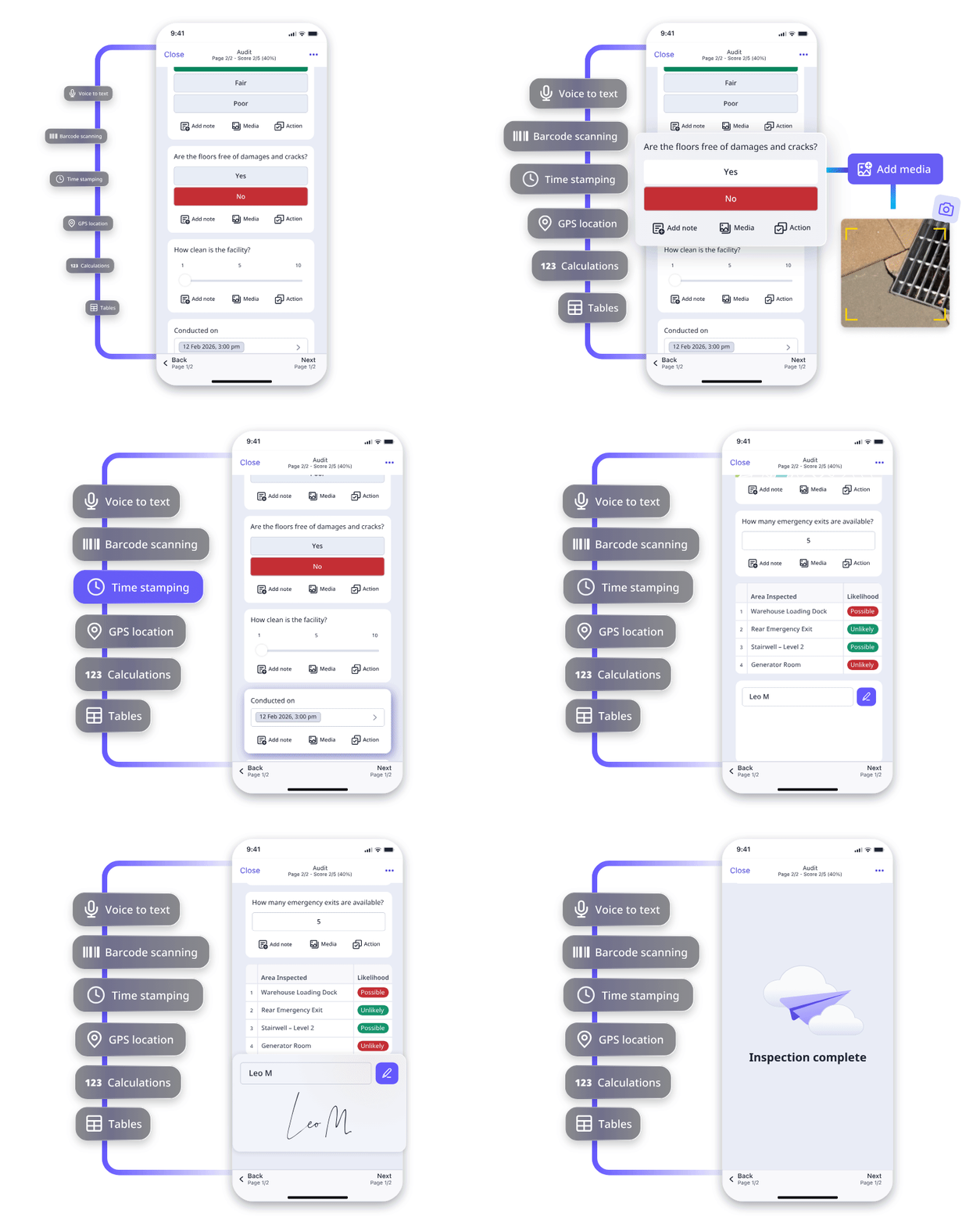
SafetyCulture can help you turn effort into structure.
Make ownership visible and time-bound. Every issue has a clear owner, next step, and escalation path. Resolution doesn’t rely on memory or heroics.
Build repeatable daily rhythms. Checks, issue reporting, and follow-up become part of the workday — not a separate initiative layered on top.
Close feedback loops automatically. Teams see what happened after they raised an issue. Trust increases. Participation grows.
Surface risk earlier. Real-time visibility helps you intervene early instead of firefighting late.
The result: Improvement moves from episodic activity to repeatable habit.
Webinar: The Improvement Paradox explained
Join guest speakers Paul Miller and Michael Lung as they break down the most important findings from the study and what organizations at the Reactive stage should prioritize first.

1The Improvement Paradox, a commissioned study conducted by Forrester Consulting on behalf of SafetyCulture, October 2025.