Importance
A real estate transaction checklist ensures all parties are accountable. Using this checklist also provides several key benefits:
Reduces transaction errors: The checklist tracks required documents, deadlines, and approvals, preventing delays in the closing process.
Complies with legal and regulatory requirements: Required disclosures and contracts must comply with local real estate and property law regulations.
Boosts client confidence: Using this checklist demonstrates a professional, organized approach that builds trust with buyers and sellers throughout the transaction.
Improves team coordination: With this checklist, agents, buyers, title companies, and attorneys share the same information, creating a unified reference for property management.
Provides documentation for audits: This checklist outlines the required documentation for audits in the event of disputes after the handover.
Key Components of a Real Estate Transaction Checklist
A comprehensive real estate transaction checklist should include every stage of the process, from the initial agreement to the final settlement. Here are some of the key components:
Schedule of contractual requirements
This section outlines the parties responsible from the time the contract is signed until closing. It includes:
Property viewing by the buyer
Buyer’s letter of intent submission
Property owner acceptance
Earnest money deposit
Submission of a certified true copy of the transfer certificate of title and tax declaration
Opening
This component involves the transaction documents that need confirmation before proceeding. Inspectors should check the following:
Listing agreements and buyer’s pre-qualifications
Purchase agreement and attached forms
Counteroffer of the seller and the buyer
Full agent sheet and initial deposit receipt
FHA/VA amendatory clause
Disclosure and reports
This field verifies disclosures that protect both parties and ensure legal compliance. It covers:
Agency disclosure report
Natural hazard disclosure report and statement
Real estate transfer disclosure and seller’s questionnaire
Statewide buyer and seller addendum
Water-conserving plumbing fixtures and carbon monoxide records
Inspection report, clearance and repairs
Real estate due diligence involves verifying the condition of a property before it is transferred to a new owner. It includes:
Optional contingency removal
Property inspection report
Buyer’s request for repairs and seller’s reply to the request
Physical inspection waiver
Termite inspection and completion
Escrow company
This section documents the procedures to ensure that funds and documents are properly managed at closing. This includes:
Escrow company name and address
Assigned escrow officer
Date scheduled for the close of escrow
How to Use this Checklist
Follow these steps to complete an effective real estate transaction checklist that helps all parties align and verify that every requirement is completed before closing:
Provide the necessary details on the title page. This usually includes the document number, property name and location, names of the buyer and seller and the name of the person completing the checklist.
Track and record all the contractual requirements and their expected deadlines. Document each milestone, from the contract signing to the issuance of new tax declarations.
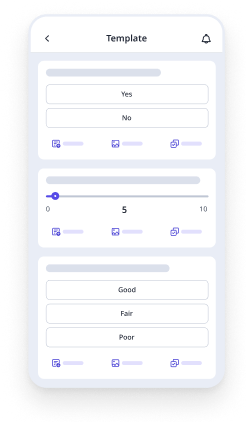
Verify all documents, disclosures and reports are completed and submitted. Mark each item as yes, no or N/A.
Confirm the inspections, clearances and repairs that have been completed. Prepare a property inspection report, the buyer's repair requests and the seller's replies.
Attach any media annotations and notes to provide details on any issues or corrective actions for the real estate transaction checklist.
Complete the checklist with a sign-off.
Sample Real Estate Transaction Report
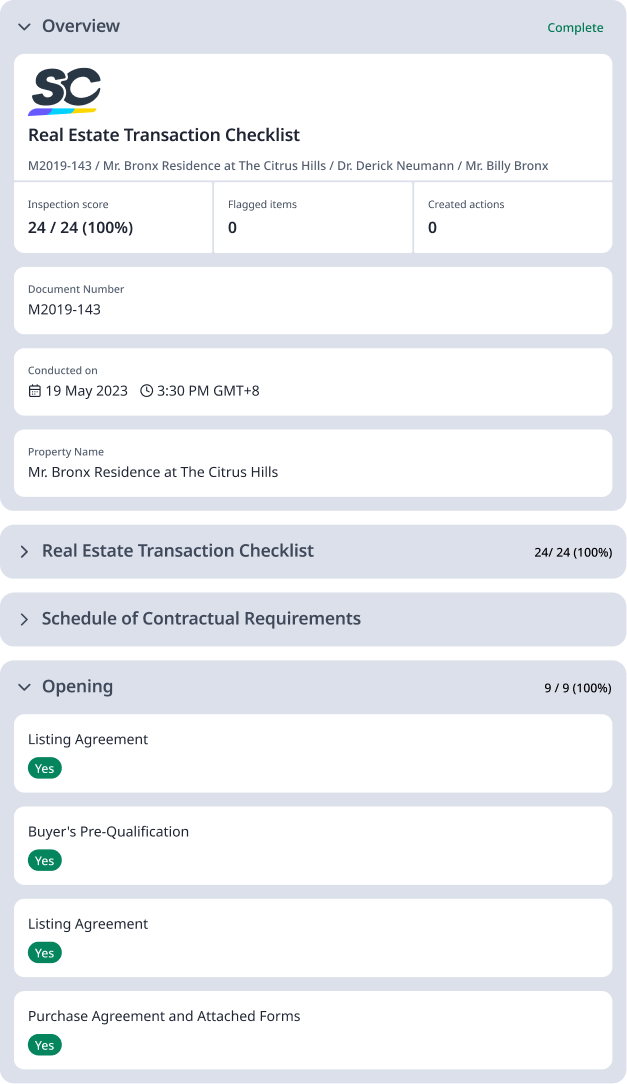
For reference, here is a completed real estate transaction checklist report:
Preview Real Estate Transaction Sample PDF Report