

William Hare
The UK's leading independent steel fabricator uses SafetyCulture to run quality, safety, and operations across 2,400 employees and multiple fabrication facilities worldwide.
The UK's leading independent steel fabricator uses SafetyCulture to run quality, safety, and operations across 2,400 employees and multiple fabrication facilities worldwide.

We use SafetyCulture for
Actions
Analytics
Assets
Heads Up
Documents
Sensors
Inspections
William Hare, a leading structural steel engineering and fabrication business, uses the SafetyCulture platform to support quality, safety, and operational excellence across its global workforce of approximately 2,400 employees.
Operating across multiple facilities in the UK, UAE, India, and Portugal, the business uses SafetyCulture to standardise inspections, manage actions, share critical updates, and maintain real-time visibility across complex projects and environments. The platform underpins daily operations across quality, safety, environmental management, maintenance, and site delivery, bringing consistency and clarity to how teams work on some of the world’s most high-profile structures.
Over more than a decade of use, SafetyCulture has become a core operational system at William Hare. The company has completed over 180,000 inspections and raised actions, all within a single, connected platform that enables rapid insight and continuous improvement. The platform supports momentum and accountability across the business. With digital inspections, live analytics, sensor monitoring and asset management, William Hare remains audit-ready at all times, while leadership teams benefit from clear, data-driven oversight—helping the organisation consistently deliver safe, high-quality steel structures.
It's still very much a family business. The company holds ISO 9001, ISO 45001, ISO 14001, BS EN 1090, and a string of other industry certifications. But keeping those standards consistent across multiple sites, thousands of employees and projects like nuclear power stations takes serious systems.
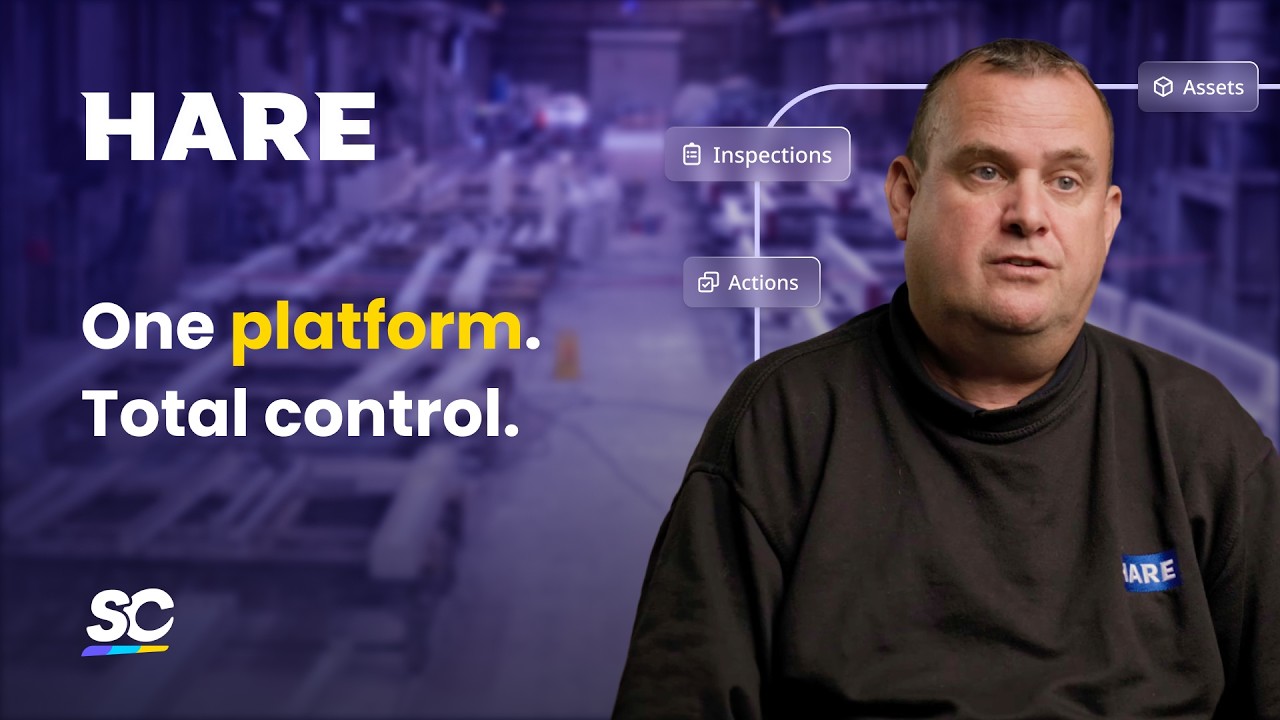
Buried in Paper, Blind to Patterns
Before SafetyCulture, William Hare ran on paper. Inspections, reports, checklists, maintenance logs, site records. Every form had to be written by hand, photographed, scanned, filed on a server and chased up manually.
"We were producing ;so many pieces of paper," says Mike. Over the years, we have produced thousands of inspections, each one requiring manual write-up, scanning, filing and follow-up.
But the bigger issue was what they couldn't see. Data sat in handwritten forms, spreadsheets and filing cabinets. There was no way to spot patterns. The team caught and fixed errors, but the same issues kept coming back.
Dawn had the same problem on the safety side. "We had reams and reams of paper, which obviously wasn't generally kept all in one place. And I had to rely on people sending me that electronically or even by post."


Turning Recurring Issues Into a System Improvement
Ten years ago, someone at William Hare spotted SafetyCulture online while on a train and passed it along to Mike. What started as a tool for audits quickly grew well beyond that.
"Over time, people decided that it isn't just for audits. It's for inspections. It's for recording things," says Mike.
Mike took ownership of the platform, building every template himself to keep things consistent. "I've become the guru. I make all the templates so they all look and feel the same. It does feel like it's ours. What we built on our SafetyCulture platform is ours." Today the company runs more than 500 templates across every department.
On the shop floor, things changed fast. The maintenance team used to have a paper sheet pinned outside their office where someone would write "the Zeman is broken." Now they raise Actions straight from their phone. "They just stand by the machine, go on their phone. Action: Machine broken. Straight away, the person in maintenance gets a text.Go and fix it. And they go and fix it."
Daily site reports went through the same shift. "Now they literally walk around the site with their phones/ tablets, and they all work off the same inspection. It can be seven people all working off one inspection, filling in all the data for site that day." As soon as the report is complete, the quantity surveyor gets notified and can get costings to the client faster.
Dawn's team uses SafetyCulture for weekly SHE inspections, environmental inspections, leadership tours, pre-use equipment checks and incident reporting. "As soon as an incident has occurred on-site, the site management would complete a first response report on SafetyCulture," Dawn explains. "We get an alert via text message and an email. It's our golden hour ticket."
The company has also rolled out Sensors in its paint shop and welding stores to monitor humidity and environmental conditions, and uses Heads Up to push procedure updates and safety alerts to the workforce.
From Firefighting Errors to Eliminating Their Root Cause
The real difference has been the ability to see patterns that were hiding in plain sight.
William Hare now raises roughly 700 actions per month. By month's end, only about 100 are still in progress. Dawn uses the same data to focus on leading rather than lagging indicators. "Our leading indicators, our main one is the weekly SHE inspections, because that's before anything's happened. That's the guys walking out there and spotting things before anything has happened."


Live Data, Zero Stress. Always Audit Ready.
With all those certifications comes a constant cycle of external audits.
"We just sit there and say, what's your question?" says Mike. "They ask the question, and we literally just put it on the screen and we do it live. They go, 'Have you not prepared it?' No. I don't need to prepare things. It's there."
"They sit there in amazement that you're not trying to hide things from them. You're actually showing them a live screen and showing them how we produce that data, without needing a prepared script."
For Dawn, same thing. "Having everything there on that platform, it just makes my life so much easier. I can find the evidence, from SHE inspections to environmental inspections. They're just all there."
Mike uses analytics to give leadership a monthly view of quality performance. "He gets to see how many inspections have been done, how many NCRs we've had, how many actions have been created. So he's getting that overview, every month, of where we're going, how we're improving." And the alternative? "He won't have that data if he didn't have the system."
William Hare has been using SafetyCulture for 10 years. Over 180,000 inspections. More than 111,000 actions. 1 million fewer pieces of paper.
Next, Mike is bringing 6,000 assets onto the platform to track servicing schedules, locations and maintenance history in one place. "At the end of it all, we're gonna have a far better system. Everything that happens to that particular asset, whether it's a breakdown, an action, a maintenance, a service, we've got it all in one place."
"I'm proud that I've made SafetyCulture at William Hare what it is," he says. What started as a tool someone spotted on a train has become part of how 2,400 people build some of the most important structures going up today.

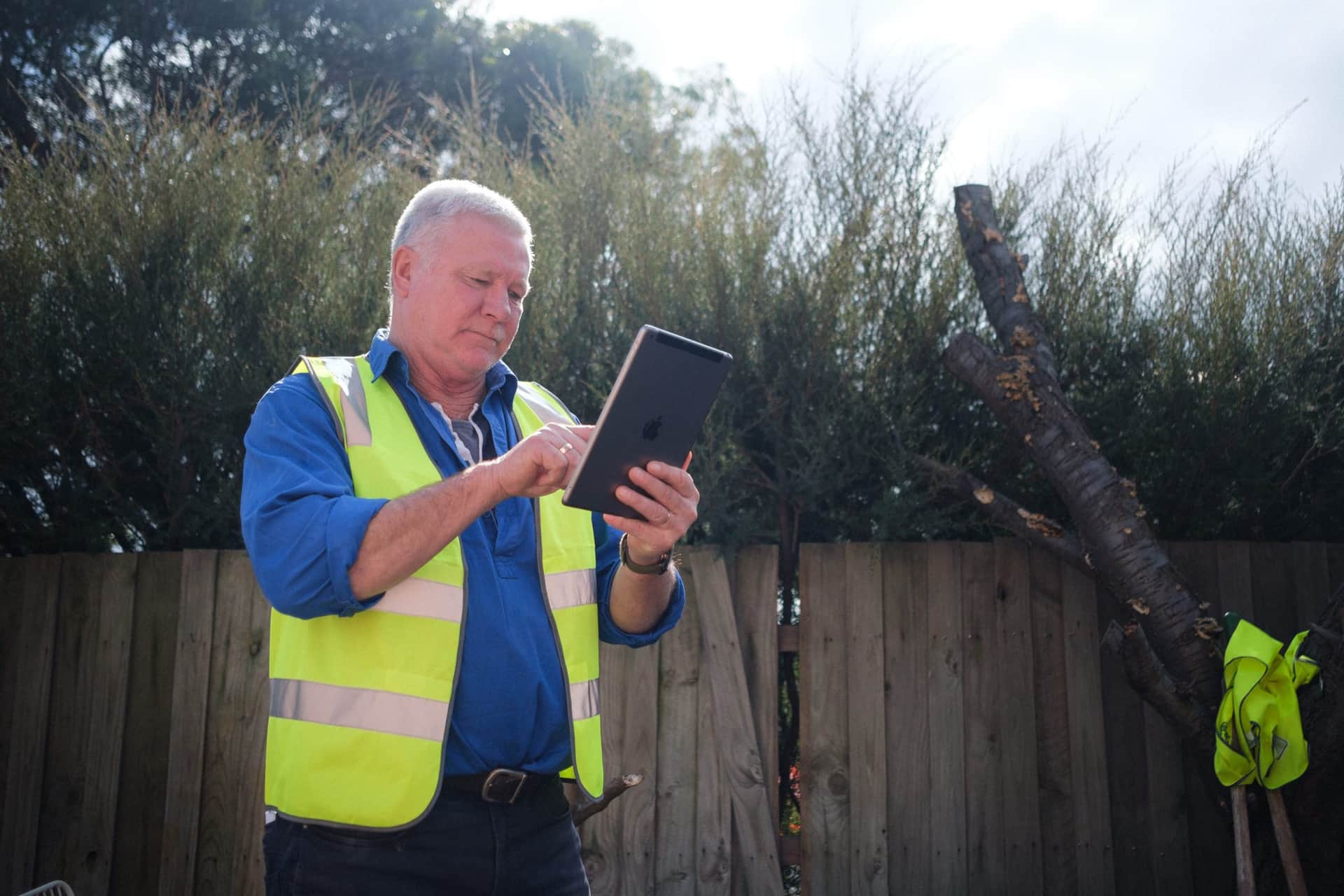
The Block isn’t your typical building site — especially when it doubles as a production set. Here’s how hit reality show The Block keeps operations on track with SafetyCulture (formerly iAuditor).

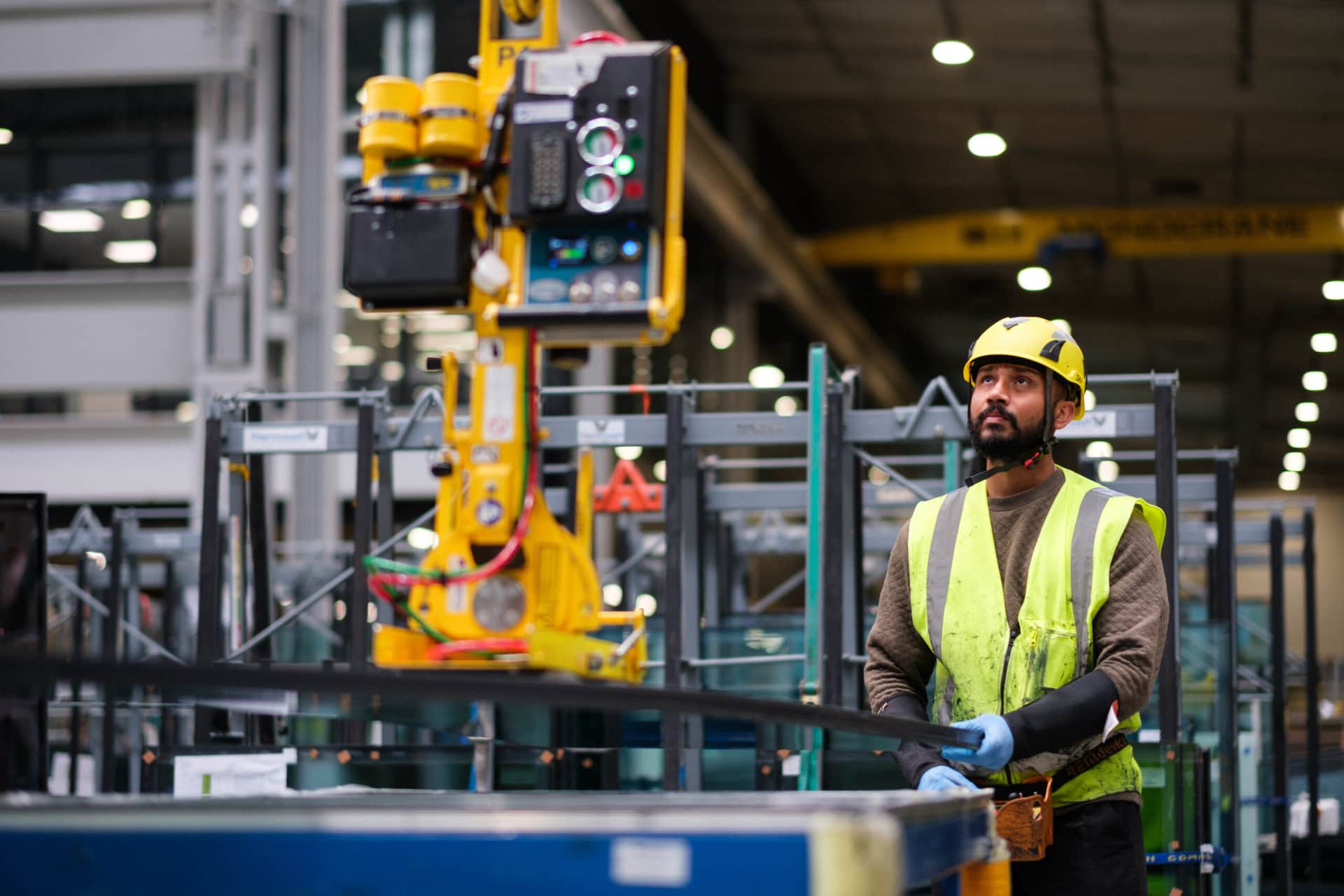
Thermosash Group brings the New Zealand skyline to life with its end-to-end bespoke building envelopes. Here’s how they integrated improvement into every workflow from manufacturing to installation and achieved ISO Certification in just six months with SafetyCulture.

See how Mowi uses SafetyCulture to streamline inspection results and charter new waters, delivering sustainable, high-quality salmon across the UK.
Explore more stories, expert guides, and thought leadership from SafetyCulture