Published 15 Sept 2025
Article by
4 min read
What is a Brake Inspection Checklist?
A brake inspection checklist is a detailed, step-by-step tool used by mechanics and vehicle owners to assess the condition of key brake components—such as pads, rotors, fluid, lines, and mechanical parts—for signs of wear, damage, or malfunction. This type of inspection helps ensure the braking system remains safe and effective, all while preventing costly repairs through early detection of issues.
Importance
Brakes are a vehicle’s most critical safety system and a checklist helps you systematically examine all its components—such as the pads, rotors, calipers, and fluid levels. A brake inspection checklist is important because it helps ensure every part of the brake system is checked thoroughly and consistently. This not only keeps the vehicle safe to drive, but also supports its long-term reliability.
According to an IOP Conference Series paper that did a study on “road accidents associated with technical condition of brake systems,” brake failure accounts for 7.4% of road traffic accidents, making it one of the leading contributing factors to accidents in that context. The study identifies significant contributory factors to road crashes, and brake failure was highlighted as a key factor among causes of road accidents, further highlighting the importance of brake system maintenance and checklists.
What to Include in a Brake Inspection Checklist
Inspections typically include a systematic and detailed process to ensure the brake system is safe, functional, and free from defects. Having a checklist provides inspectors a set of structured Standard Operating Procedures (SOPs) to follow that ensure safety compliance and quality of work during the inspection proper. Each stage of the brake inspection must be clearly outlined, with detailed safety protocols and step-by-step procedures to ensure every component is thoroughly checked and nothing is overlooked.
Here are some key components to include in a brake inspection checklist to ensure the braking system is safe and fully functional:
Vehicle and Service Information
Vehicle number and code
Technician’s Name
Date and Time
Location
Pre-Inspection Preparation
Park the vehicle on a level surface
Engage the parking brake
Block the wheels
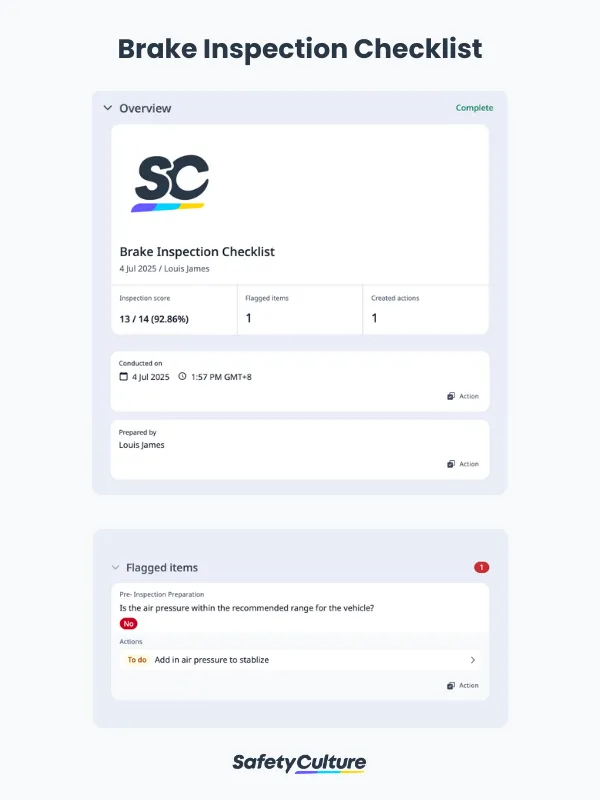
Verify air pressure is within an acceptable range
Visual Inspection of Brake Pads
Check pad thickness
Inspect for signs of uneven wear
Look for any visible damage
Visual Inspection of Rotors or Drums
Examine for cracks
Check for grooves or scoring
Look for signs of rust
Inspect for overheating indicators
Brake System Functionality Test
Test brake function at low speed
Listen for unusual noises
Check for vibration during braking
Verify the vehicle doesn’t pull to one side when braking
Functional Break Test
Listen for unusual noises or air leaks during brake application
Test the low air warning device activation
Test parking brake holding ability (must hold vehicle on 20% grade
Documentation
Record any defects or non-conformities
Initiate immediate repair procedures for safety-critical issues
Sample Brake Inspection Checklist
Check out this sample brake inspection checklist report for reference on how it can visually streamline how you can carry out your SOPs:
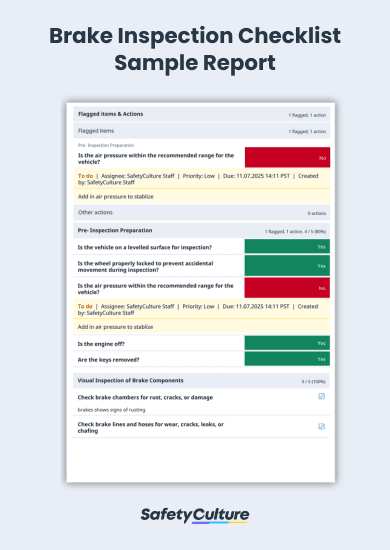
Brake Inspection Checklist Template Sample Report | SafetyCulture
How Going Digital Helps
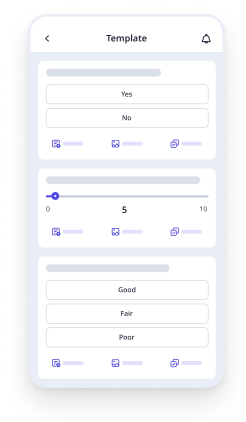
A digital checklist improves the brake inspection process by offering a faster, clearer and more efficient method for carrying out and recording each step. Here are the main benefits it provides:
Real-Time Reporting and Alerts: Enables instant reporting of any brake issues spotted during an inspection.
Automated Reminders and Record Keeping: Provides reminders when it’s time for a brake inspection, helping you stay on top of regular maintenance as well as store time-stamped records digitally.
Photo and Video Documentation: Allows you to capture photos and videos of brake parts right on the spot and store them in the cloud, which can make it easier to explain the problem to mechanics or fleet managers, and serve as solid proof of what needs fixing.
Detailed Inspection Steps: Walks you through every step of the process, from checking brake pad thickness to inspecting fluid levels and overall brake performance.
Integration with Vehicle Tracking Sensors: Alerts you of possible malfunctions or signs of wear and tear, and notifies you of them before or during brake inspection.

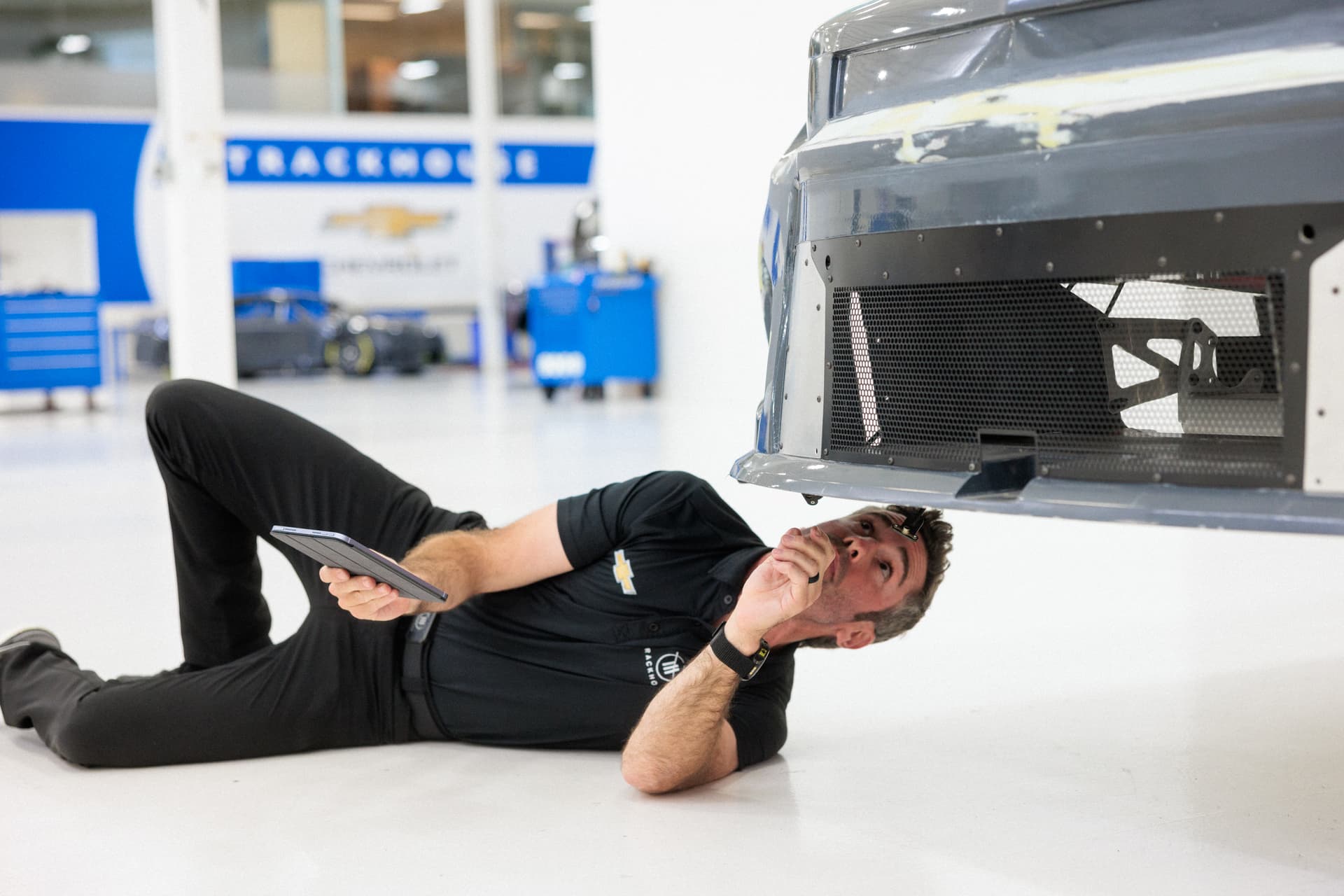
SafetyCulture helps Trackhouse ensure every car is race-ready by streamlining safety checklists, build tracking, and NASCAR compliance. Its fast issue reporting allowed the team to quickly resolve problems and prevent recurring issues, boosting efficiency and reliability.
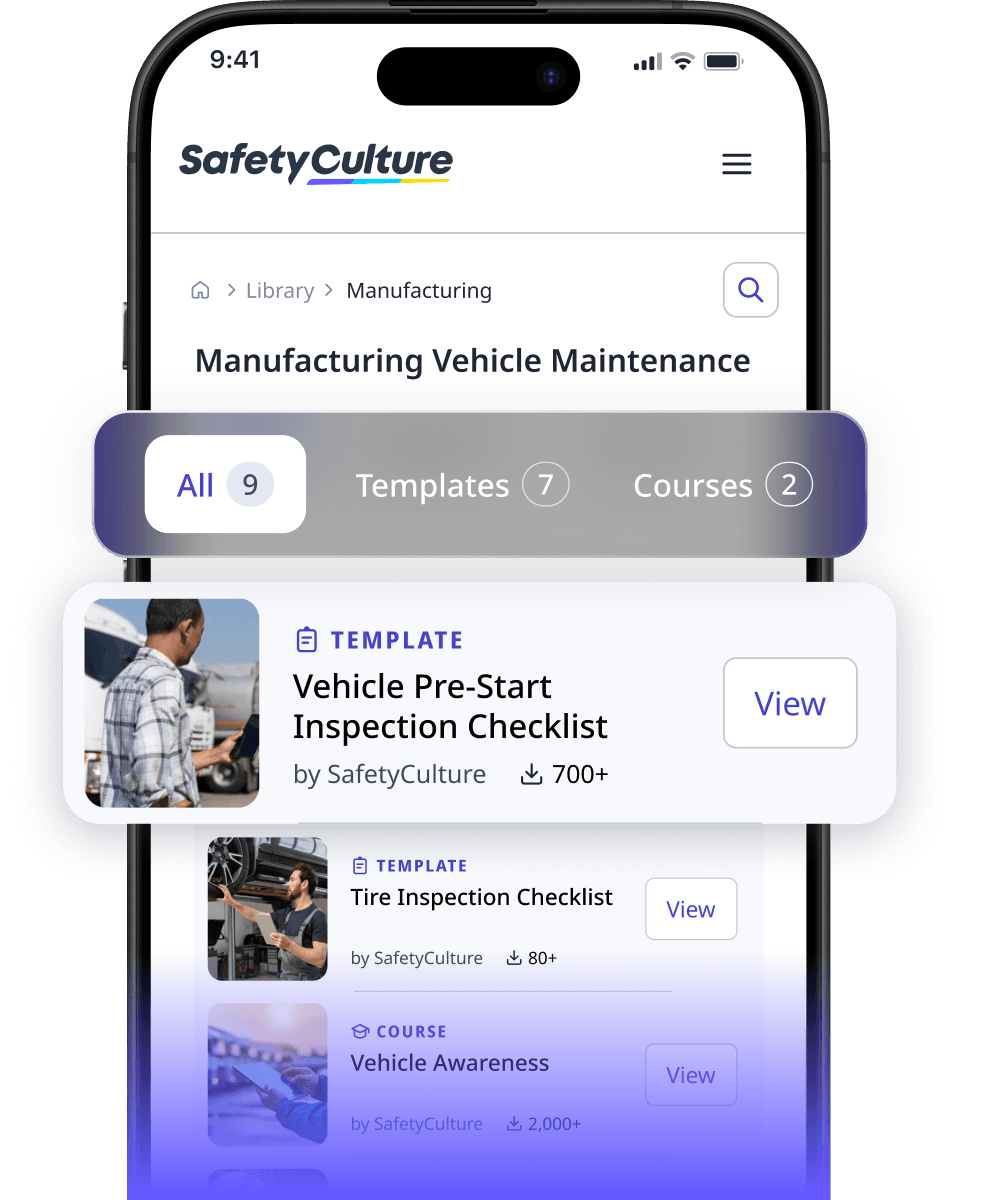
Stay on top of vehicle maintenance with prepared resources
Practical vehicle maintenance courses and templates to keep fleets reliable and reduce breakdowns