Use this hotel deep cleaning checklist to ensure all facilities are sanitized and cleaned properly to provide comfortable guest accommodations. This checklist streamlines inspections to consistently maintain the quality of scheduled deep cleaning for rooms, receptions, and dining areas to reduce health risks.
This checklist can also be used to:
Document maintenance and repairs for facilities or equipment
A hotel deep cleaning checklist is a documented guide for preventive deep cleaning tasks across hotel spaces. It lists the procedures and inspections housekeepers must check off to ensure thorough cleaning and sanitation of rooms, amenities, and lounges. This checklist helps retain hygiene levels for longer periods and strengthens compliance with health standards.
Why is a Hotel Deep Cleaning Checklist Important?
Using a hotel deep cleaning checklist is an essential part of housekeeping standards. It helps housekeeping managers supervise their team to:
Deliver a good guest experience: A hotel’s cleanliness influences guest enjoyment, so using a checklist helps staff keep spaces comfortable and accommodating for visitors.
Reduce health and safety risks: A checklist monitors the completion of cleaning tasks required to prevent infection, contamination, and material exposure amongst hotel facilities and staff.
Establish consistency: Following standardized cleaning procedures ensures consistent sanitation quality for each room, surface, and floor, regardless of who completes the task.
Prolong asset life: Preventive cleaning and maintenance of hotel assets, like furniture and fixtures, helps avoid damage from everyday use and extends their operational use.
Promote accountability: A checklist tracks and validates that all hygiene rules, maintenance inspections, and task verifications are followed.
Key Procedures
Deep cleaning must eliminate deep-seated dirt or bacterial buildups to maintain the freshness of every hotel facility. Here’s a quick summary of essential procedures that the hotel housekeeping deep cleaning checklist should include:
Pre-cleaning
A hotel deep cleaning checklist should outline the various preparations and initial routines that staff must complete before the main tasks. This segment focuses on:
Stripping out sheets and linens
Segregating used and dirty towels
Disposing trash
Placing caution signs
Preparing cleaning chemical solutions
Ceiling and air system
It’s best practice to work from top to bottom to make sure any spills and fallen dust are cleaned off later on. Cleaning up from the ceiling and air conditioning includes:
Replacing air filters
Dusting air vents
Inspecting molds and leaks
Wiping off cobwebs and dust bunnies
Guest rooms
The quality of guest rooms shapes visitor satisfaction with a hotel more than any other amenities. A hotel room deep cleaning checklist helps freshen up every inch of the space by outlining procedures such as:
Removing residue from windows
Vacuuming upholstery
Dusting furniture
Cleaning up and inspecting mattresses and bedframes
Disinfecting bathrooms
Sweeping and mopping floors
Sanitizing high-touch surfaces like door handles and remote controls
Common areas
Common areas, including the lobby and elevators, are the busiest and most crowded sections as all guests walk through them to get around the hotel. A checklist must have guidelines for deep cleaning these shared spaces, including:
Wiping the counters in reception
Rubbing elevator buttons and handles
Polishing hallway floors
Logging cleaned toilets and sinks in restrooms
Recording replenished restroom supplies
Dining areas
Besides hand contact and dirt, sanitizing dining areas also deals with food bacteria and leftover residues. For food safety and guest health, it’s important that this procedure covers:
Sterilizing stations for serving food and distributing utensils
Blotting dining tables and chairs
Recreational facilities
For deep cleaning recreational areas, the items on the housekeeping checklist depend on the services available and the activities that occur. This means that the tasks and inspections listed should be specific to each space. But generally, it must accomplish:
Disinfecting shared surfaces, like handrails, grips, and benches
Reporting any slips and trip hazards, such as spilled drinks and water puddles
Outdoor areas
When maintaining areas like patios, terraces, gardens, and driveways, make sure to include and check off tasks such as:
Clearing out walkways
Throwing out trash and replacing bins
Wiping and drying outdoor furniture
Removing clutter from entries and exits
Back-of-house
Thorough sanitation of various back-of-house spaces shouldn’t be overlooked. It ensures that no dirt and smells from storage rooms, waste holding areas, and backdoor corridors reach guests. The checklist must cover:
Decluttering backdoor walkways and service routes
Segregating and emptying waste bins
Organizing storage and inventory items
How to Use the Checklist
Here’s a quick guide for housekeeping managers to complete a hotel deep cleaning checklist:
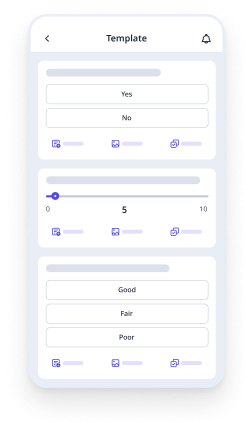
Provide the basic details for accountability. This includes the housekeeper’s name, the date of cleaning, and the location for the task.
Review all items and confirm that each deep cleaning task is complete. Make sure to inspect the quality of completed cleaning procedures before verifying compliance with requirements.
Note down and report any cases of damage, leaks, or harmful buildup found while cleaning. Make sure to record corrective actions and repairs made.
Attach images and documentation as proof that the tasks meet sanitation standards as needed.
Finish the inspection by evaluating whether the overall deep cleaning meets business and sanitation standards.
Complete the checklist with a sign-off to authorize the assessment.
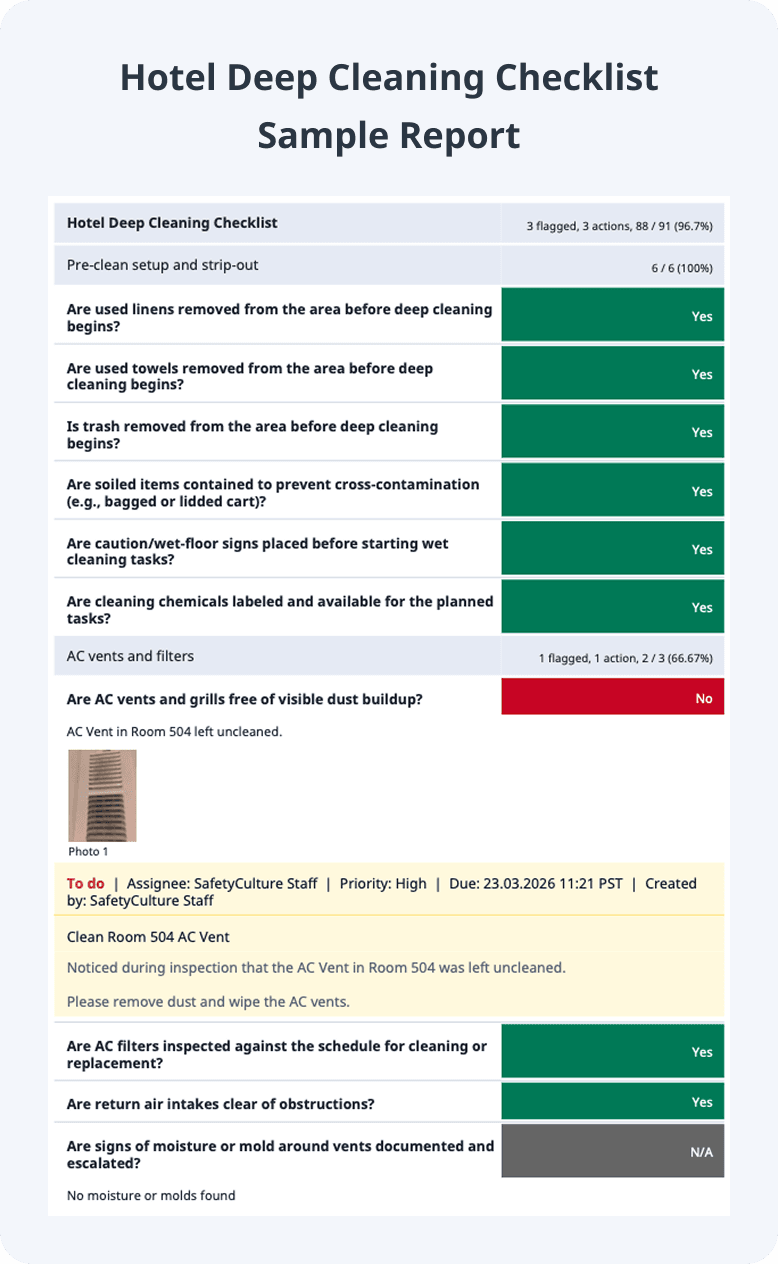
Sample Hotel Deep Cleaning Report
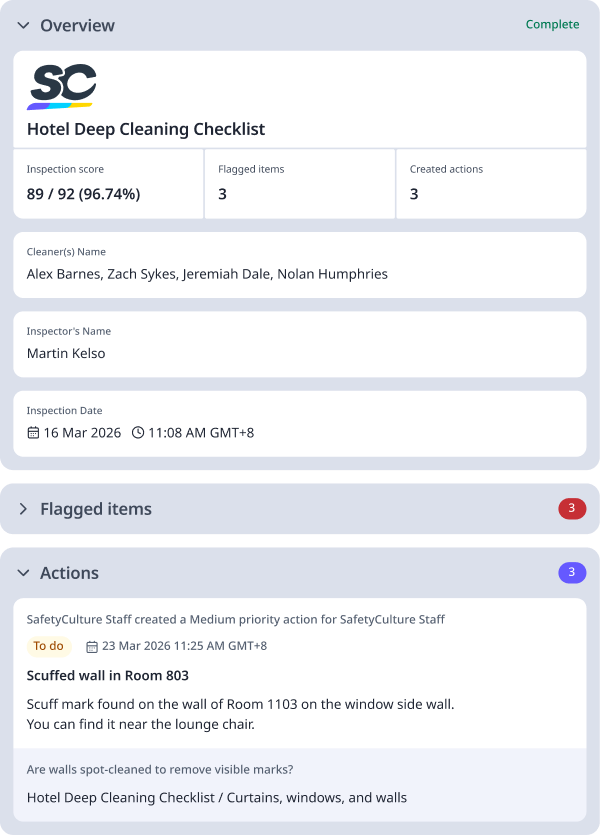
Here is a sample of a completed hotel deep cleaning report, and see how the checklist can be used:
With [SafetyCulture], everyone — whether a facilities manager or resort director — is able to identify issues as they enter or exit a space as well as log maintenance requests… With clear visibility from start to completion, it’s easy to ensure facilities are kept up to scratch in a manner that is efficient and organized.